
DaeWha Kang Design Transforms Black Gold Museum Interior Into a Poignant Industrial and Environmental Narrative
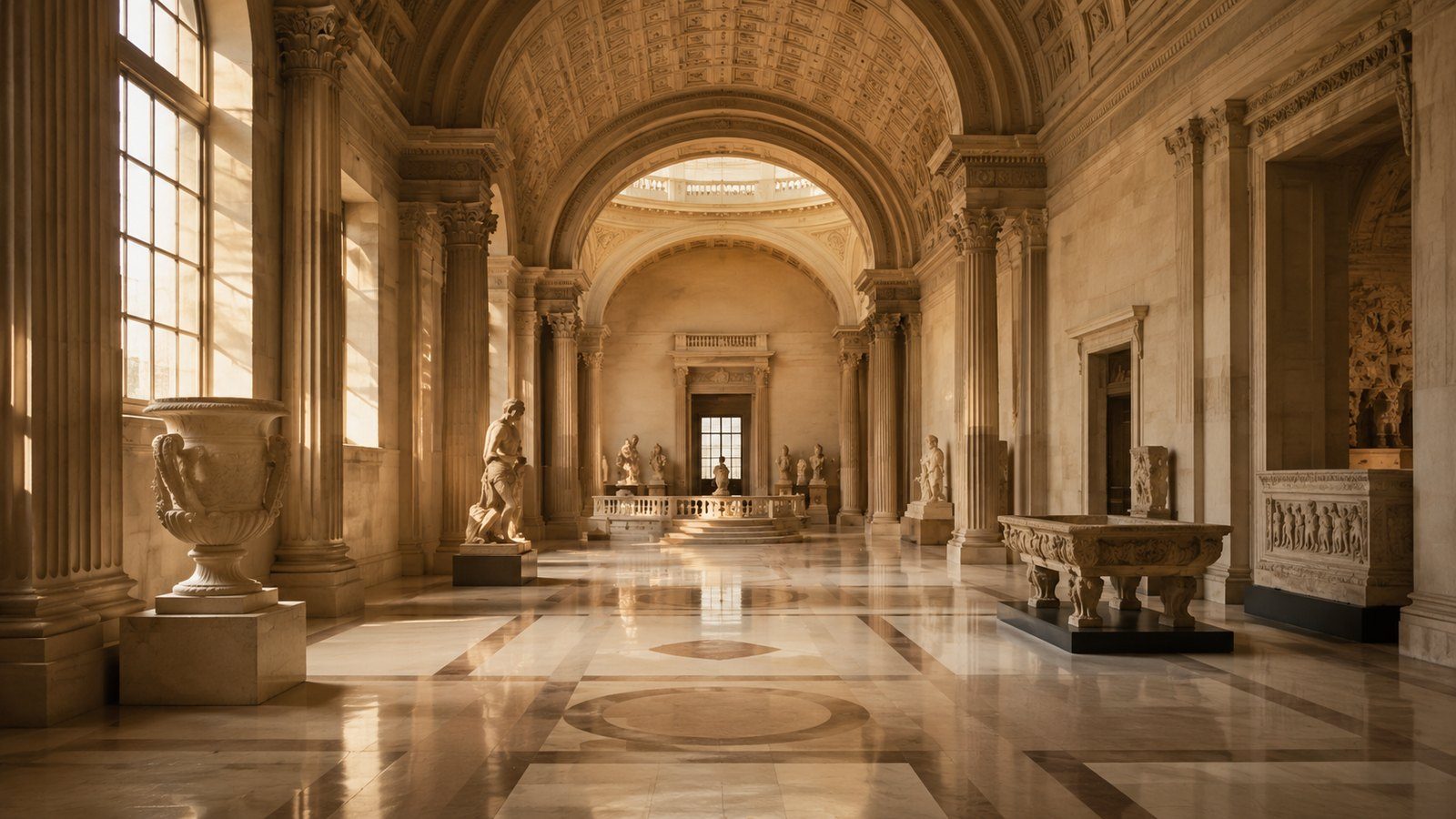
In a striking fusion of history and contemporary design, DaeWha Kang Design has unveiled the interior architecture of the Black Gold Museum, an ambitious project that brings new life to a cultural landmark dedicated to the story of oil and its profound impact on society. This museum is not just a repository of artifacts; it is an immersive experience, and Kang’s design elegantly balances the industrial heritage of the site with a warm, engaging visitor environment.
Situated in a location deeply connected to the history of oil exploration and production, the Black Gold Museum has long been intended as a space to reflect on how the extraction and use of petroleum shaped economies, societies, and even geopolitics. DaeWha Kang Design’s approach embraces this narrative, using the architecture itself as a storyteller. The interiors convey a sense of gravity and reverence, while carefully designed lighting and material choices highlight the intricate relationship between human ingenuity and natural resources.
Walking through the museum, visitors encounter a seamless blend of raw, textured surfaces alongside sleek, modern lines. The design deliberately preserves elements that echo the industrial past—exposed steel beams, weathered concrete, and nods to machinery—giving the space an authentic, grounded feel. However, these materials are offset by warmer wood finishes and thoughtfully integrated soft lighting, which adds a layer of intimacy and invites visitors to linger and engage.
One of the most compelling features of the design is how spatial dynamics are used to guide the visitor journey. The museum’s interior is carefully zoned, with each area narrating a different chapter of the oil industry’s history. Wide, open galleries convey the vast scale of industrial ambition, while more enclosed, contemplative spaces encourage reflection on the environmental and social consequences of oil dependency. This contrast in spatial experience deepens the emotional impact without overwhelming visitors.
The inclusion of interactive displays and multimedia installations is also noteworthy. These are integrated thoughtfully into the architectural fabric, never feeling like afterthoughts or accessories. Instead, digital elements complement the physical artifacts and architectural environment, allowing visitors to explore complex themes about energy technology, economic shifts, and environmental challenges through immersive storytelling techniques. The balance between technology and tangible materials helps keep the focus on the human stories behind the resource, grounding the experience in empathy as much as education.
From a sustainability perspective, DaeWha Kang’s design reflects a broader philosophy of responsible stewardship. The museum’s construction incorporates environmentally sensitive practices and materials, underscoring an awareness of the very issues the museum seeks to address. This layer of intentionality enriches the visitor experience, inviting a dialogue about future possibilities in energy and human impact.
Perhaps most impressive is how the design manages to feel both monumental and approachable. Rather than intimidating visitors with the scale of the oil industry’s complexity or its challenges, the museum fosters curiosity and conversation. The interiors feel inviting and human-centered, resonating with hope and critical mindfulness rather than simply recounting a linear industrial history.
As the Black Gold Museum opens its doors, it seems poised to become an important cultural destination—not only for those fascinated by industry and history but for a broader public interested in understanding how natural resources shape our world. DaeWha Kang Design’s interior architecture plays a crucial role in making this possible, transforming the museum from a static space into an active narrative landscape. This project exemplifies how thoughtful design can bridge past and present, industry and environment, memory and innovation, creating a meaningful space for reflection and learning in our rapidly changing world.
Join the discussion
Share a thoughtful museum note, correction, or visitor perspective about this article.