
Angeles Museum Preserves Pinatubos Fury Through Half-Buried Churches and Stories of Resilience
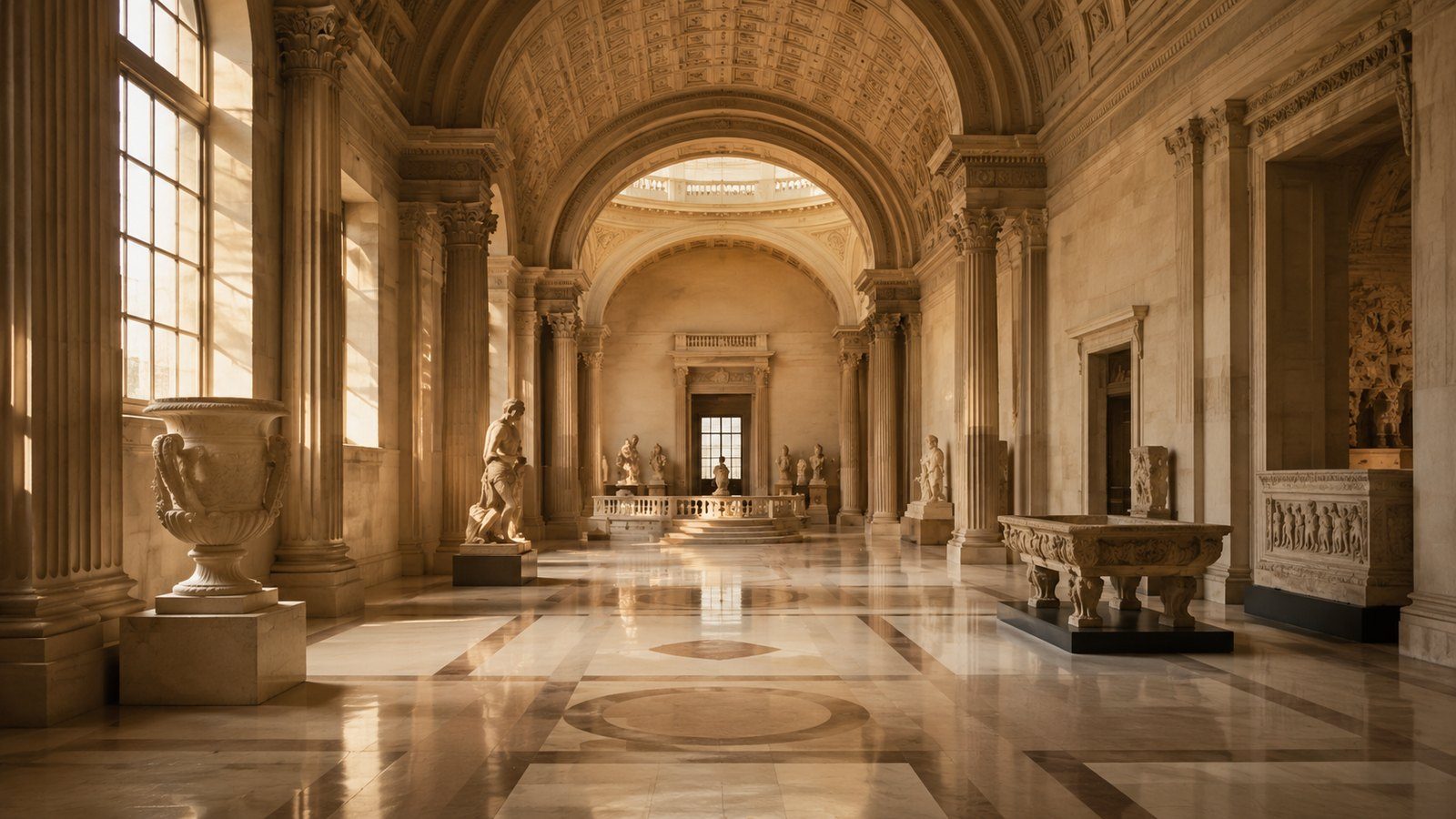
Nestled in the heart of Angeles City, a museum dedicated to the devastating eruption of Mount Pinatubo stands as a powerful testament to nature’s raw fury and the resilience of communities that endured its wrath. The Angeles Museum, although modest in scale, offers visitors an evocative glimpse into one of the most significant volcanic events of the 20th century, not just through artifacts and photographs, but by preserving the very landscape altered by the eruption—half-buried churches that serve as poignant relics of a land reshaped by molten force.
When Mount Pinatubo erupted in 1991, it unleashed one of the largest volcanic explosions of the century, covering vast swathes of Central Luzon in thick ash and pyroclastic flows. The destruction was staggering, but equally remarkable was the community’s ability to rebound and rebuild. The Angeles Museum honors this narrative of devastation and recovery, focusing on both the human and natural elements that continue to define the region’s identity decades later.
A unique aspect of the museum experience is its preservation of the half-buried churches scattered across the landscape—silent, haunting reminders of the past. These churches, once vibrant centers of community life, lie partly submerged beneath volcanic debris, their spires and walls jutting out like time capsules from the ashes. They are a visual and emotional anchor for the museum’s storytelling, drawing visitors into a palpable connection with history. Walking among these ruins, guests do not simply observe static relics; they tread where the fury of the earth once surged, and they witness the lingering scars etched into the terrain.
The museum duly integrates these ruins into its narrative, highlighting how these churches are not merely damaged structures but symbols of survival and faith. Photographs and personal accounts displayed alongside the ruins recount the dramatic moments of the eruption and its aftermath, showcasing first-hand experiences of displacement, loss, and hope. The juxtaposition of these personal stories with the physical remnants creates a deeply resonant experience, helping visitors understand the profound impact on both landscape and lives.
Beyond its role as a historical archive, the Angeles Museum also serves an educational mission. It draws attention to volcanic activity’s ongoing significance, underscoring the need for vigilance and preparedness in a region still vulnerable to natural disasters. Interactive exhibits explain the science behind eruptions, while local initiatives connected to the museum teach disaster risk reduction and community resilience. This dual approach ensures that visitors leave not only informed about the past but also equipped with awareness applicable to present and future challenges.
What makes the Angeles Museum particularly compelling is its narrative warmth and sensitivity. It honors loss without resorting to sensationalism, and it celebrates recovery without minimizing ongoing vulnerabilities. For those interested in geology, history, or human stories of survival, the museum offers a rare blend of all three.
Ultimately, this museum does more than keep alive the memory of Pinatubo’s fury; it fosters a deeper appreciation of the intricate relationship between people and their environment. As visitors depart, they carry with them an understanding not just of volcanic might, but of human endurance, community spirit, and the delicate balance between destruction and rebirth. In this way, the half-buried churches and the stories the Angeles Museum cherishes remain etched in memory—a lasting tribute to the indomitable spirit of those in Pinatubo’s shadow.
Join the discussion
Share a thoughtful museum note, correction, or visitor perspective about this article.