Norwegian Resistance Museum Review
War History · Oslo, Norway A Museum of Occupation, Choice, and Civic Courage The Norwegian Resistance Museum in Oslo is one of the strongest focused war.
War History · Oslo, Norway A Museum of Occupation, Choice, and Civic Courage The Norwegian Resistance Museum in Oslo is one of the strongest focused war.
Best forMasterpieces, architecture, cultural history
Review focusCollection highlights, building, visitor flow
War History · Oslo, Norway
A Museum of Occupation, Choice, and Civic Courage
The Norwegian Resistance Museum in Oslo is one of the strongest focused war museums in Northern Europe because it understands exactly what kind of museum it wants to be. It does not attempt to impress visitors through scale, machinery, or theatrical military display. Instead, it builds its authority through documents, testimony, clandestine objects, photographs, and the moral tension of life under occupation. That choice gives the museum unusual seriousness and emotional force.
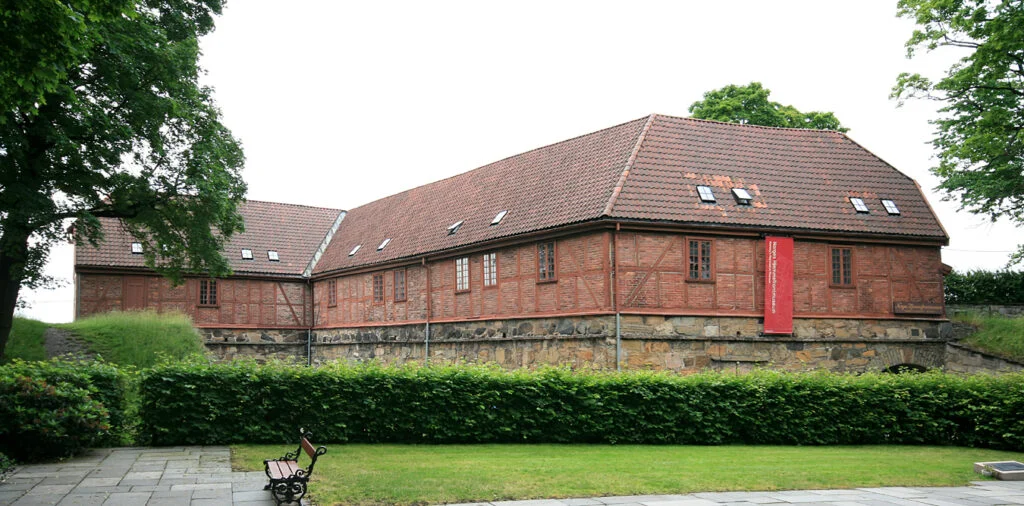
Located near Akershus Fortress, the museum is tied from the beginning to the historical landscape of state defense and national memory. The setting matters. Before entering the galleries, visitors are already in a place that carries political and military meaning. Once inside, the museum narrows the focus from national setting to human experience. It tells the story of Norway during the Second World War not as an abstract conflict, but as a lived crisis shaped by occupation, resistance, collaboration, risk, punishment, and survival.
What makes the museum work so well is its discipline. Many war museums try to do too much at once. They become part memorial, part technology display, part timeline, part patriotic monument, without fully committing to any of those modes. The Norwegian Resistance Museum is more coherent. It is fundamentally a museum about occupation and the forms of resistance that emerge within occupied society. That focus gives every gallery direction.
Architecture & Spatial Tone
The museum is modest in physical scale, but that scale suits the subject. Large monumental rooms would risk diluting the intimacy of the material. Here, the galleries create a denser and more personal atmosphere. Visitors are brought close to paper documents, coded messages, hidden equipment, uniforms, identity material, prison objects, and other evidence of lives lived under constant pressure.
The exhibition design supports concentration rather than distraction. The museum does not rely on sensory overload. Instead, it uses pacing and sequencing. Displays of underground newspapers, intelligence tools, sabotage-related material, and arrest documentation gradually build an understanding of what resistance meant in practice. The spatial experience encourages reading, comparison, and moral reflection rather than passive movement.
This restraint is one of the museum’s greatest virtues. It trusts the material. The objects are not especially large, but their meaning is. A forged paper, a concealed radio component, or a prison artifact can carry more force here than a much larger object might in a less focused institution.
The Collection: Resistance in Many Forms
The museum is especially strong in showing that resistance is not a single heroic image. It was not only sabotage, not only armed action, and not only famous leaders. The exhibitions broaden the concept to include clandestine printing, intelligence work, communication networks, courier systems, escape routes, and acts of civic refusal. That broader understanding is one of the museum’s most valuable contributions.
This matters because it keeps the history grounded in society rather than myth. Visitors see how ordinary people, officials, students, workers, and underground networks all became part of the wartime landscape in different ways. The museum is careful to show risk without romanticizing it. Repression, arrest, surveillance, deportation, imprisonment, and execution remain central parts of the story.
The documentary character of the collection is particularly effective. Photographs, papers, orders, and personal belongings create a sense of direct contact with the period. These materials do not simply illustrate the narrative; they are the narrative. They make occupation visible through evidence rather than abstraction.
The museum also benefits from not treating national memory as simple. Resistance is honored, but the exhibitions remain grounded in historical process rather than empty patriotic display. That makes the museum more credible and ultimately more affecting. It invites respect, not automatic sentiment.
Visitor Experience & Rhythm
Because the museum is relatively compact, visitors can complete a meaningful visit in one to two hours. Yet that shorter duration should not be mistaken for lightness. The material is dense and emotionally serious. In fact, the museum often feels larger in memory than it does in floor area because the subject matter continues to work on the visitor after leaving.
The best way to experience it is slowly. This is not a museum to rush. It rewards close reading and attention to detail. Visitors who try to move through it quickly may understand the outline of occupation and resistance, but they risk missing the moral and human texture that gives the museum its real force.
The atmosphere is quiet and reflective. Even when there are other visitors, the subject tends to regulate behavior naturally. People lower their voices, spend longer with displays, and move with more attention than they might in broader survey museums. That tone suits the institution perfectly.
Atmosphere & Intellectual Tone
The Norwegian Resistance Museum feels trustworthy. It is educational without being dry, serious without becoming oppressive, and respectful without slipping into museum theater. Interpretation is clear and purposeful, and the institution knows that the material does not need embellishment. Occupation history, when told through authentic evidence and structured narrative, already carries more than enough weight.
This also makes the museum accessible to visitors who do not arrive with detailed knowledge of Norwegian wartime history. The framework is clear enough for first-time visitors, while the documentary detail is rich enough to satisfy those with stronger background knowledge.
Who Will Appreciate It Most
The Norwegian Resistance Museum is ideal for:
• Visitors interested in World War II, occupation history, and resistance movements
• Travelers who prefer focused museums over vast military collections
• Visitors interested in moral history, testimony, and documentary evidence
• Anyone looking for a serious, meaningful historical museum in Oslo
Visitors seeking tanks, aircraft, and large weapons displays may find it more intimate than expected. But that intimacy is precisely what makes it powerful.
Practical Considerations
The museum combines especially well with the surrounding Akershus area and with a broader historical day in Oslo. It is manageable in length, but emotionally and intellectually dense enough to justify giving it full attention rather than squeezing it between less serious stops.
Final Verdict
The Norwegian Resistance Museum succeeds because it turns a difficult national history into a museum experience shaped by clarity, evidence, and human weight. It does not need spectacle. Its strength comes from the fact that the story itself is already dramatic, and the people behind it already matter.
Handled thoughtfully, the visit becomes more than a lesson about wartime Norway. It becomes an encounter with what occupation does to a society and what resistance can mean when freedom is stripped away.
It is a museum built on memory, evidence, and civic courage.