National Palace Museum
About: Use the highlights list (yes, the jadeite cabbage). The collection is deep — aim for themes instead of ‘seeing everything’.What to see: Start with.

Best forMasterpieces, architecture, cultural history
Setting / nearbyAsia
Overview
The National Palace Museum in Taipei is one of the most important museums in Asia and one of the world’s great collections of Chinese art. For many visitors, it is the single most essential museum in Taiwan because it offers access to an extraordinary concentration of imperial objects, scholarly traditions, court culture, and refined craftsmanship gathered across many centuries. Unlike museums that spread attention across many civilizations or many unrelated themes, the National Palace Museum has a much more focused identity. It is built around the arts of imperial China and the broader traditions of Chinese material culture, and that concentration gives the visit unusual depth.
What makes the museum so significant is not only the fame of a few star objects, but the quality and range of the collection as a whole. Painting, calligraphy, ceramics, bronzes, jade, lacquer, books, ritual vessels, carvings, and decorative arts all appear within a framework that helps visitors understand Chinese art not as a single style, but as a long and highly sophisticated cultural world. This is one of the museum’s greatest strengths. A visitor does not simply move from object to object admiring technical skill. The museum reveals how art was bound to scholarship, ritual, court life, philosophy, taste, and political authority.
The National Palace Museum is also especially rewarding because it shows a tradition in which small-scale objects can carry as much significance as monumental works. This is important for first-time visitors. In many major museums, scale often leads the experience. Here, some of the museum’s strongest moments come through intimate looking: the brushwork of a calligraphy piece, the surface of a jade carving, the glaze of a ceramic vessel, the detail of a scholar’s object. This means the museum asks for a slower and more attentive kind of viewing than some large museums built around monumental paintings or architecture. In return, it offers one of the richest experiences of refined material culture anywhere in the world.
For visitors to Taipei, the museum also provides a broader cultural frame for Taiwan itself. Even though the collection is centered on Chinese imperial art, the museum’s place in Taipei gives it a distinct historical and political context. It is not just a museum of beautiful things. It is also an institution shaped by twentieth-century history, preservation, migration of collections, and cultural identity. Without turning the visit into a purely political one, that historical background adds seriousness to the museum’s role and helps explain why it remains such an important institution in East Asia.
Collection Highlights
The National Palace Museum is famous for a number of iconic works, but its deepest strength lies in categories rather than in any single object alone. Jade is one of the most celebrated parts of the collection, and with good reason. The museum’s jade holdings are among the most famous in the world, and they reveal how much symbolic, ritual, and aesthetic meaning could be condensed into a material valued not only for beauty but for cultural significance. These objects often attract immediate attention, but they are most rewarding when seen not simply as luxury pieces, but as part of a larger world of imperial taste and scholarly refinement.
Ceramics are another major highlight. Chinese ceramics can be admired almost anywhere in the world, but at the National Palace Museum they are presented within a context that makes them feel especially coherent and historically grounded. The collection helps visitors understand changes in form, glaze, color, and court preference across dynasties. Even those without specialist knowledge often begin to notice that these works are not interchangeable examples of “fine porcelain,” but highly distinct objects shaped by historical periods, technical innovation, and cultural ideals.
Calligraphy and painting are central to the museum’s identity and among its most intellectually important holdings. These works can be more demanding for visitors unfamiliar with the traditions behind them, but they are essential to understanding the collection properly. In Chinese art history, calligraphy is not a secondary decorative form. It is one of the highest artistic practices, deeply tied to scholarship, character, learning, and self-cultivation. The museum’s presentation of painting and calligraphy reminds visitors that visual culture here cannot be separated from literature and thought. These galleries may require slower attention, but they are among the most revealing in the museum.
Bronzes and ritual objects add another layer, especially for visitors interested in early Chinese civilization and the long continuity of ceremonial culture. These works help widen the visit beyond court elegance and literati refinement. They reveal the deep historical foundations of Chinese art and show how ritual, power, and material form were connected from very early periods onward.
One of the museum’s greatest pleasures is that it rewards repeated looking across categories. A jade piece may illuminate a ceramic, a bronze may illuminate a calligraphy display, and a painting may reshape how you understand a scholar’s object. The collection’s categories are distinct, but they are also mutually enriching. This is why the museum remains so strong beyond its most famous works: it teaches visitors how to look across forms and traditions rather than only at isolated treasures.
Building and Setting
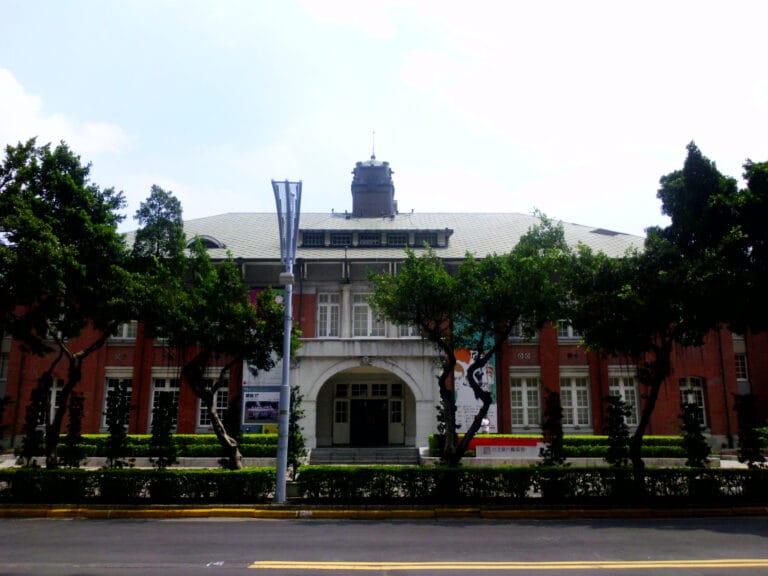
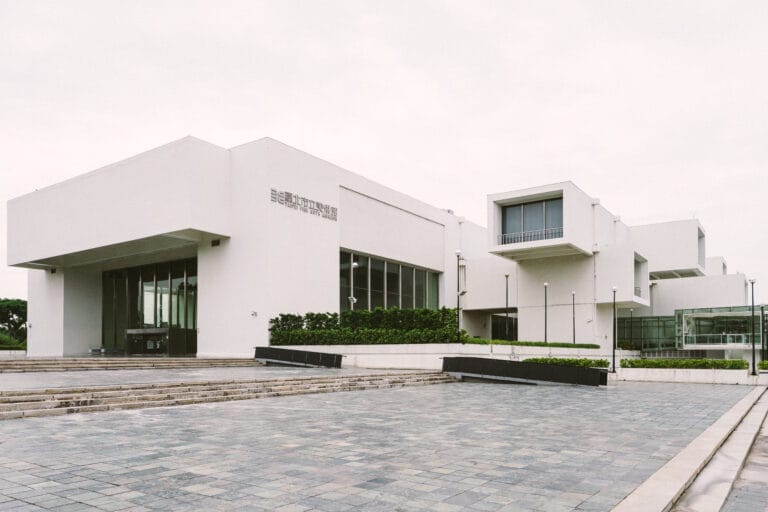
The museum building has a ceremonial presence that suits the collection. It feels formal and monumental enough to signal institutional importance, but it does not overwhelm the objects inside. That balance is important. The National Palace Museum is not trying to compete with the collection through extreme architecture. Instead, it provides a setting of dignity and order that supports the seriousness of the holdings.
Its location in Taipei adds another dimension to the visit. The museum sits somewhat apart from the most hectic urban rhythms of the city, and that helps create a different mental pace. The approach, the grounds, and the broader setting contribute to the sense that one is entering a space of preservation and cultural weight rather than just another urban attraction. This is useful in practical terms as well as symbolic ones. The museum works best when visitors are prepared to slow down.
Inside, the galleries are typically organized in a way that encourages concentration. The museum may not have the theatrical architectural drama of some newer institutions, but it handles display with enough clarity that objects remain the focus. This is especially important in a museum where so many works depend on careful, close viewing rather than spectacle.
Practical Information
The National Palace Museum is best visited selectively. Even though it may not look as physically overwhelming as some huge encyclopedic museums, the collection is dense in quality and detail, and visual concentration can tire visitors more quickly than expected. A good approach is to identify a few priorities in advance—perhaps jade, ceramics, calligraphy, or bronzes—and then allow yourself time to look slowly rather than trying to rush through every gallery.
The museum is particularly rewarding for visitors willing to read at least some of the interpretation. This is not a museum where everything can be understood instantly through appearance alone. Context matters, especially for painting, calligraphy, and ritual objects. Shorter, more attentive routes usually work better than trying to absorb everything in one stretch.
Because the museum is built around intimate and refined objects, breaks are helpful. A pause between galleries can improve attention and make later rooms more rewarding. The museum repays patience much more than speed.
Why Visit
The National Palace Museum is best for visitors interested in Chinese art, imperial material culture, ceramics, jade, calligraphy, and museums where refinement and concentration matter more than spectacle. Its greatest strength is that it offers one of the richest and most coherent encounters with Chinese artistic tradition anywhere in the world.
What makes it worth prioritising is not just the fame of its star objects, but the way the whole collection reveals a civilization through its materials, techniques, rituals, and ideals of beauty. Few museums can show so clearly how art, scholarship, power, and cultural memory were connected over such a long span of time.
For visitors to Taipei, it is one of the city’s essential cultural experiences. More broadly, it is one of the great museums of Asia: serious, refined, and endlessly rewarding for those willing to look carefully. It is not a museum to rush through, but one to absorb gradually, with enough time to let the depth of the collection reveal itself.