Museum Ludwig
Museum Ludwig in Cologne, Germany, is one of Europe’s major museums for twentieth- and twenty-first-century art. It is particularly well known.
Best forMasterpieces, architecture, cultural history
Setting / nearbyEurope
Overview
Museum Ludwig in Cologne is one of Europe’s leading museums for modern and contemporary art and one of the city’s most important cultural institutions. It is especially well known for the strength of its twentieth-century holdings and for the way it presents modern art within a museum that feels both serious and public-facing. Rather than functioning as a narrow specialist space, it offers a broad view of artistic change across major movements, collections, and historical periods, making it one of the strongest destinations in Germany for visitors interested in modern art.
What makes Museum Ludwig particularly compelling is the way it combines international importance with a clear local identity. This is not a museum that feels detached from its city. It is rooted in Cologne’s postwar cultural development and in the major donations and collectors who helped shape its collection. That history matters because it explains why the museum feels so substantial. The institution did not become significant by accident. It grew through a deliberate commitment to modern art and through collections that gave it genuine international standing.
For visitors, the museum works well because it offers both depth and clarity. It is a place where you can encounter famous names and major artistic movements, but also gain a better understanding of how modern and contemporary art developed through competing ideas, styles, and ambitions. The museum does not depend on one single masterpiece to justify a visit. Its strength lies in the consistency of the collection and the way different areas of the museum support one another.
This makes Museum Ludwig valuable for several kinds of visitors at once. Dedicated art lovers will appreciate the museum’s depth and range. General travelers can enjoy it as one of Cologne’s major museums and as a clear introduction to modern art. Visitors who may feel uncertain in some contemporary art settings are also likely to find the museum approachable, because its holdings give such a strong historical framework. It is a museum that can educate without becoming dry and impress without becoming inaccessible.
Collection Highlights
One of the defining strengths of Museum Ludwig is its collection of twentieth-century and contemporary art. The museum is especially associated with American Pop Art, Picasso, German Expressionism, photography, and the Russian avant-garde. That combination gives the institution unusual breadth. It allows visitors to move from early modernist experimentation to postwar transformation and then into more contemporary directions without feeling that the museum loses focus.
The Pop Art holdings are among the museum’s best-known highlights. Museum Ludwig has long been regarded as one of the leading places in Europe to see this field represented in depth. That matters because Pop Art can easily be reduced to a handful of familiar images, but in a museum with real collection strength it becomes something much larger: a way of understanding postwar consumer culture, media, repetition, image-making, and artistic response to modern life. In Museum Ludwig, this area gives the visit real visual energy.
The Picasso collection is another major draw. The museum is internationally known for having one of the largest Picasso collections in the world, and this gives it a distinct profile among European modern art museums. A strong Picasso collection is valuable not only because of the artist’s fame, but because Picasso’s work connects so many strands of twentieth-century art. His presence helps anchor the museum historically and gives visitors a strong point of orientation within the wider collection.
German Expressionism and photography add further weight. Expressionist works help connect the museum to broader German and European modernism, while the photography holdings expand the institution beyond painting and sculpture. This matters because a museum of modern art should not feel limited to one medium. Museum Ludwig succeeds in showing that modern visual culture developed across different forms, and that photography belongs fully within that story rather than sitting at the margins.
The Russian avant-garde is another area that gives the museum particular distinction. This part of the collection broadens the narrative of modernism and reminds visitors that the history of modern art was never limited to a single national tradition. Together, these different strengths make Museum Ludwig feel less like a museum built around one fashionable theme and more like a genuinely major institution with several important areas of excellence.
Building and Setting
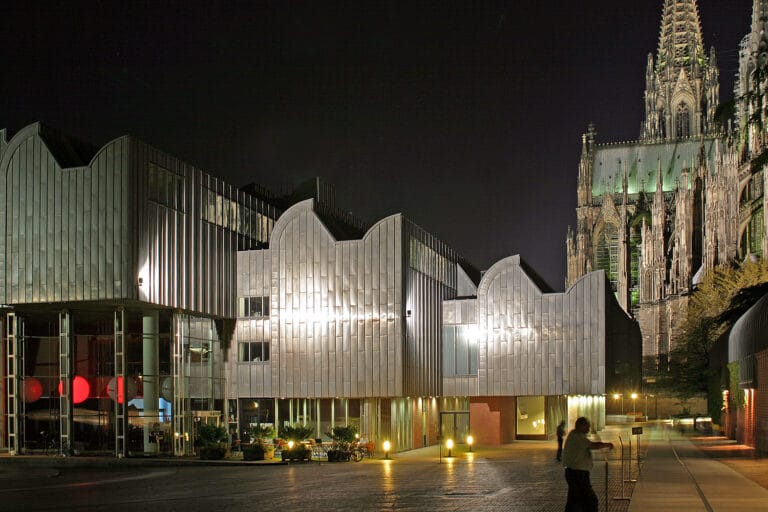
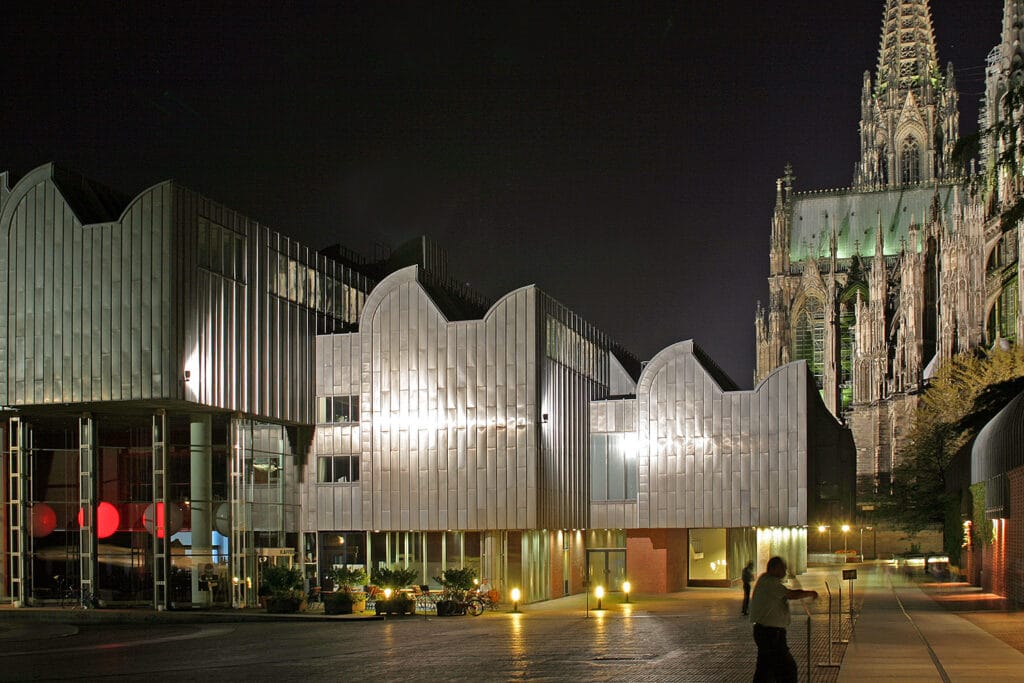
Museum Ludwig’s setting in Cologne adds greatly to its impact. It stands close to the cathedral and the Rhine, which places it in one of the city’s most prominent cultural and urban areas. This makes the museum easy to include in a broader visit to Cologne, but it also gives it symbolic weight. A major museum of modern art placed so centrally becomes part of the public identity of the city rather than a destination hidden away from everyday movement.
Architecturally, the museum benefits from spaces that support large-scale display and circulation. A museum of modern and contemporary art needs room for works of very different sizes, media, and atmospheres, and Museum Ludwig gains from galleries that can handle this range. Visitors need both visual openness and enough structure to make sense of the collection. The museum is strongest when it allows works from different periods and movements to feel distinct without breaking the rhythm of the visit.
Its relationship to the city is also important in a broader cultural sense. Cologne has long had a strong contemporary art profile, and Museum Ludwig reflects that tradition. It feels like part of a larger urban culture of art, collecting, and public institutions. That civic connection gives the museum a different atmosphere from museums that feel more isolated or ceremonial. It remains serious, but it also feels active and connected to the life of the city.
The building and collection together create an experience that is at once substantial and approachable. This is not a museum that relies on historical grandeur in the classical sense. Instead, it offers a more modern kind of cultural authority, one based on collection strength, curatorial seriousness, and urban presence. That suits the subject very well.
Practical Information
Museum Ludwig is best visited with enough time to move through the collection at a steady pace. Because the museum covers several major areas of modern and contemporary art, rushing through can flatten the experience. Visitors who allow time to move between Pop Art, Picasso, Expressionism, photography, and temporary exhibitions will usually get much more from the visit than those trying to treat it as a quick stop.
It is particularly rewarding for visitors interested in twentieth-century art, but it can also work very well for more general museumgoers because the structure of the collection is so strong. Even people who do not normally seek out contemporary art often find Museum Ludwig more accessible than expected, precisely because it offers a clear historical framework rather than only highly conceptual installations.
The museum also benefits from temporary exhibitions and special programming, which means repeat visits can feel different from one another. In practical terms, it is worth checking what is on view before going, since current exhibitions may shape the rhythm of the visit or add another major reason to spend time there.
As always, it is sensible to check the official museum information before visiting for current opening hours, tickets, and visitor arrangements. Practical details can change, and major museums often have rotating exhibitions, event evenings, or special access conditions that are best confirmed directly in advance.
Why Visit
Museum Ludwig is worth visiting because it combines real collection strength with a clear and engaging account of modern and contemporary art. It is not simply an important museum for Cologne. It is one of the stronger museums in Europe for visitors who want to understand the development of twentieth-century art through major collections rather than through isolated highlights.
It is also valuable because its strengths are multiple. Some visitors will come mainly for Pop Art, others for Picasso, others for German modernism or photography. The museum’s real achievement is that these areas support one another and create a visit that feels broad without becoming scattered. That balance is not easy to achieve, and it is one of the reasons Museum Ludwig remains so respected.
For travelers in Cologne, the museum adds a major modern art dimension to a city more often associated internationally with its cathedral and historic setting. For art visitors, it offers enough depth to justify serious time. For general museumgoers, it provides a strong and memorable introduction to the ambitions, experiments, and visual languages of modern art.
If you want a Cologne museum that combines international importance, collection depth, and a strong urban setting, Museum Ludwig is an excellent choice. It is one of the city’s essential museums and one of the most rewarding art visits in Germany.