Museu Nacional de Belas Artes
Art Museums · Rio de Janeiro, Brazil. The Museu Nacional de Belas Artes in Rio de Janeiro stands out primarily for its expansive dedication to Brazilian art from the 19th century to the present day. Unlike institutions that place a heavier…
Best forArt lovers, visual culture, architecture
Setting / nearbyRio de Janeiro, Brazil
A Focus on Brazilian Artistic Heritage
The Museu Nacional de Belas Artes in Rio de Janeiro stands out primarily for its expansive dedication to Brazilian art from the 19th century to the present day. Unlike institutions that place a heavier emphasis on international art, this museum offers a deep dive into Brazil’s visual arts history with an emphasis on its own cultural and artistic development. The core of its collection includes paintings, sculptures, drawings, and decorative arts that trace the trajectory of Brazilian artistic production, especially underlining 19th-century academic art and modernism. Visitors interested in understanding how Brazilian society, identity, and aesthetics evolved through visual culture will find this museum a concentrated resource that few other places provide in such depth.
Key Works and Artists to Note
Among the 20,000-plus pieces, several artists stand out for their pivotal role in Brazilian art and appear prominently here. Works by Victor Meirelles, renowned for his historical paintings such as "Primeira Missa no Brasil" (The First Mass in Brazil), are central to grasping the academic style influential in the 19th century. Another figure, Pedro Américo, known for dramatic, often patriotic scenes, displays the era’s narrative priorities. The collection also includes pieces by Anita Malfatti and Tarsila do Amaral, who are crucial in understanding Brazilian modernism and its break with European tradition. The museum preserves several prints and drawings by these artists, offering insight into their working processes. This careful curating of Brazilian painters and sculptors gives the Museu Nacional de Belas Artes a strong identity and helps contextualize Brazil’s national art development throughout key historical and cultural shifts.
The Museum Building’s Architectural and Historical Context
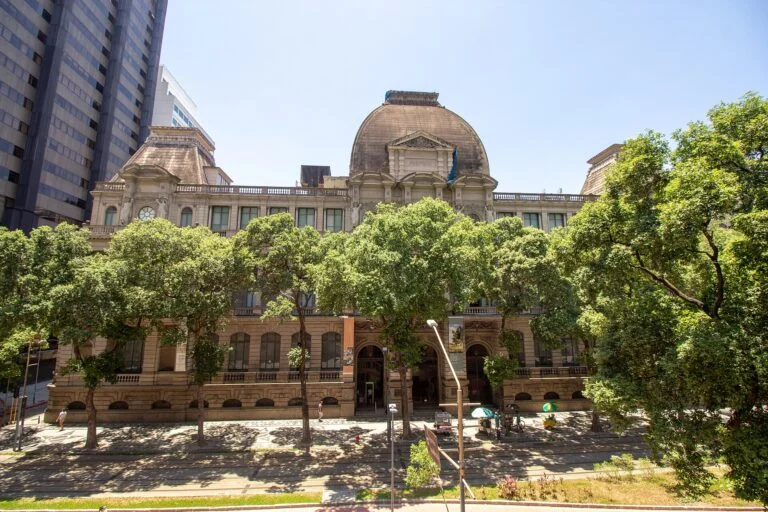
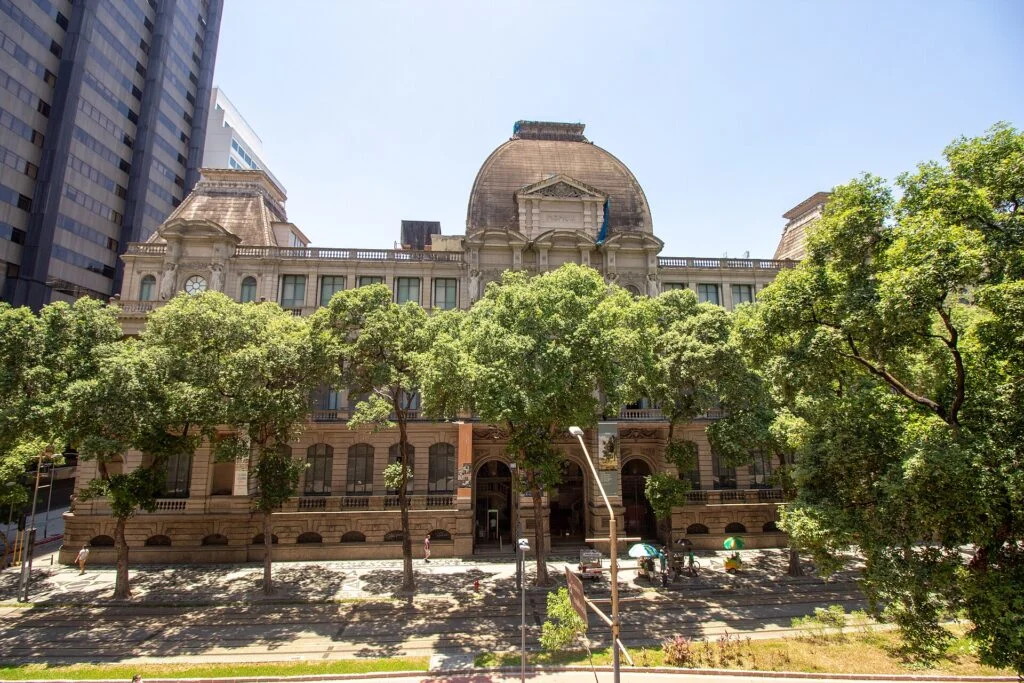
Housed in the Palace of the Fine Arts, the building complements the museum’s heritage-driven collection. Built between 1908 and 1937, the palace itself reflects early 20th-century architecture with a neoclassical façade and notable interior spaces designed for exhibitions. The building’s design expresses Brazil’s ambitions at the time to assert cultural refinement and national pride. This setting allows visitors to experience not only artworks but also the atmosphere of a period when arts institutions in Brazil were being shaped by European academic ideals. The proximity to other cultural landmarks in Rio de Janeiro’s Centro neighborhood places the museum within a historical urban fabric important for those who want to combine art viewing with a broader sense of the city’s development.
Organizing a Visit with the Collection’s Breadth in Mind
Given the museum’s wide chronological range and object types—from neoclassical sculptures and decorative arts to modernist paintings and 20th-century Brazilian art—it helps to decide which styles or periods are of highest interest before arriving. Those primarily curious about Brazil’s artistic narrative in the 1800s should prioritize the first floors where academic and Romantic art is concentrated. Visitors attracted by modernism can focus on the upper galleries that advance through the 20th century. Because the collection is large, spreading visits over multiple sessions might be beneficial, especially if one wishes to digest the finer details of each phase. For anyone looking to see a representative slice of Brazilian art history in one visit, about two to three hours would allow for a measured pace, concentrating on the highlights rather than attempting a full walkthrough.
Thematic Emphases Beyond Painting
While painting dominates the museum’s holdings, important supplementary collections enrich the narrative. The sculpture and decorative arts sections show how Brazilian artists and craftspeople engaged with European influences and local traditions. The museum’s prints and graphic arts chart shifts in technique and style, often providing insight into the visual culture alongside the more prominent paintings. This multiplicity of media helps broaden the understanding of Brazilian modernity and the regional characteristics of artistic production, highlighting technical skill as well as visual storytelling across different formats.
Audience and Visit Suitability
The Museu Nacional de Belas Artes is particularly suited to visitors who have some familiarity with, or interest in, art history and Brazil’s cultural past. The museum does not rely heavily on simplified storytelling or interactive displays common in newer institutions, which means those who appreciate close visual analysis and contextual reading of artworks will find it rewarding. Casual tourists without a strong background in art might find the depth and size of the collection a bit overwhelming unless they remain focused on a few key artists or periods. Scholars, students, or anyone seeking to explore Brazilian art in a dedicated setting will find a rich, concentrated resource unavailable elsewhere in Rio de Janeiro.
Verify Visitor Information in Advance
Details about admission, hours, guided tours, and accessibility can change, so planning should include checking the museum’s official website ahead of arrival. Since this museum sits in a busy city center, consider timing your visit for weekday hours to avoid any possible crowding during weekends or holidays. The building’s historic nature means that full accessibility for all mobility needs may be limited; potential visitors with specific requirements should inquire before visiting.
Comparing This Museum to Other Rio Art Venues
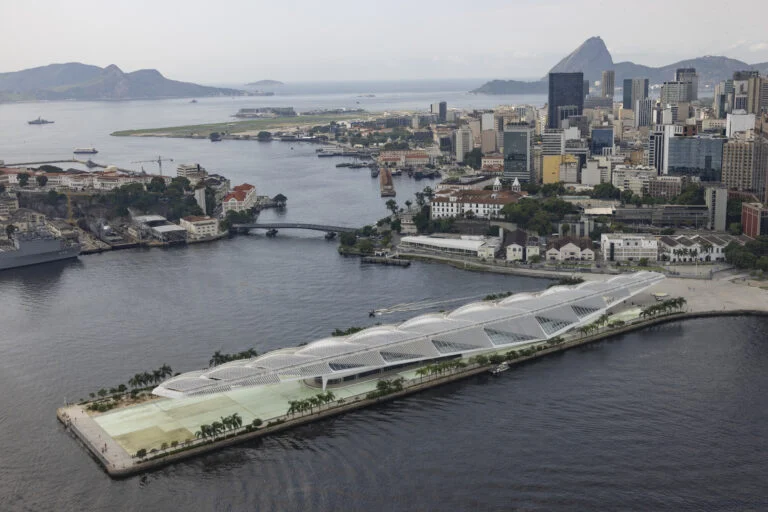
While the Museu Nacional de Belas Artes holds a large part of Brazil’s painting and sculpture heritage, other Rio museums such as the Museum of Modern Art focus on contemporary and international works, and the MAR (Museu de Arte do Rio) emphasizes visual culture tied to the city's history and social issues. The Nacional de Belas Artes offers a more traditional and chronological presentation that forms the backbone of Brazilian art’s narrative rather than thematic or concept-driven exhibitions. It is the place to understand Brazilian art history as a continuum rather than isolated moments or experimental art forms.
This museum is a concentrated archive of Brazilian artistic expression rooted in history, giving those who engage with it a framework for deeper appreciation of the country’s visual identities over time. Visitors can prepare to explore the shifting styles, political messages, and cultural moments that shaped Brazilian art in mostly traditional media and contexts.