National Museum of Iceland
Reykjavík, Iceland. The National Museum of Iceland is distinguished by its deep engagement with the country’s history and cultural identity from the time of the first settlements in the 9th and 10th centuries up to the…
Best forMuseum lovers, culture travelers, first-time visitors
Setting / nearbyReykjavík, Iceland
A Focus on Iceland’s National Story from Settlement to Modernity
The National Museum of Iceland is distinguished by its deep engagement with the country’s history and cultural identity from the time of the first settlements in the 9th and 10th centuries up to the present day. It concentrates on what makes Iceland distinct as a nation and society, using material evidence and artifacts to trace the development of Icelandic life, faith, governance, and art. The museum’s displays are arranged chronologically and thematically, offering a narrative thread through Iceland’s transformation from isolated Viking outpost to modern republic. Visitors can expect a focused historical experience centered on Iceland’s own story rather than a broad overview of Nordic or European history.
Core Collections Anchored by Medieval Treasures and Everyday Heritage
Key objects at the National Museum include medieval religious artifacts such as objects from the former bishoprics and churches, iconic manuscripts that illuminate the sagas and Iceland’s literary tradition, and a range of tools, clothing, and household items that bring to life the conditions of Icelandic daily existence across centuries. There are also exhibits on Icelandic crafts like knitting and woodworking, which reveal continuity and change in local skills and domestic culture. Significant pieces include silver and bronze from the early Christian period, ceremonial textiles, and items excavated from settlements. This focus on material culture allows visitors to see how practical needs and aesthetics intersected in Iceland’s harsh environment.
The Building and Layout Support a Historical Journey
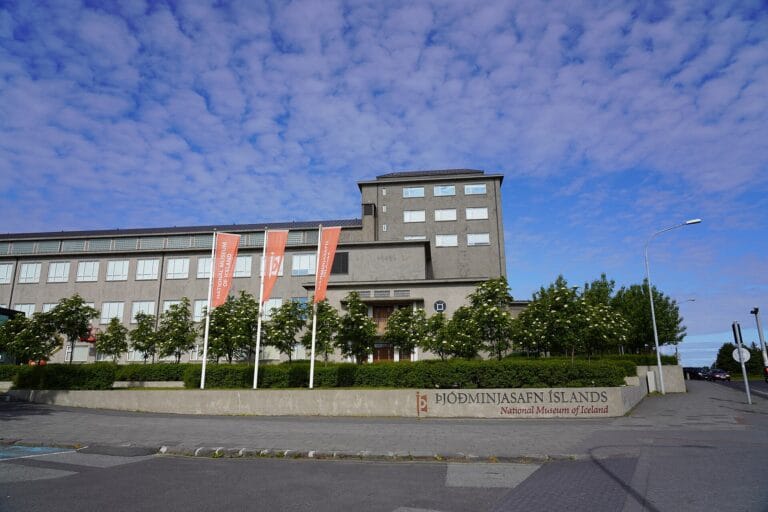
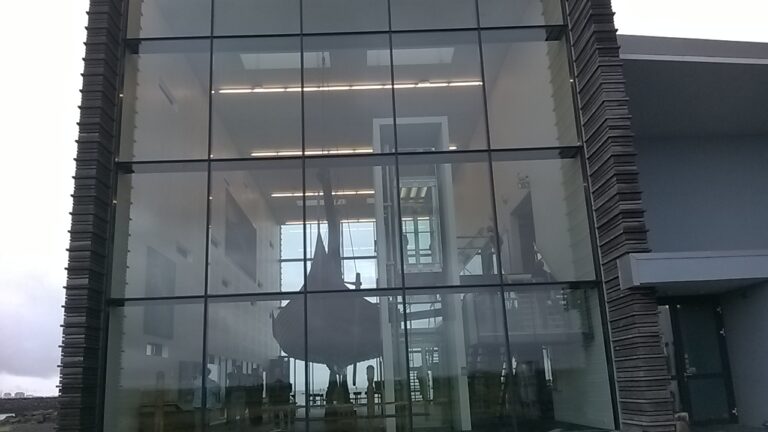
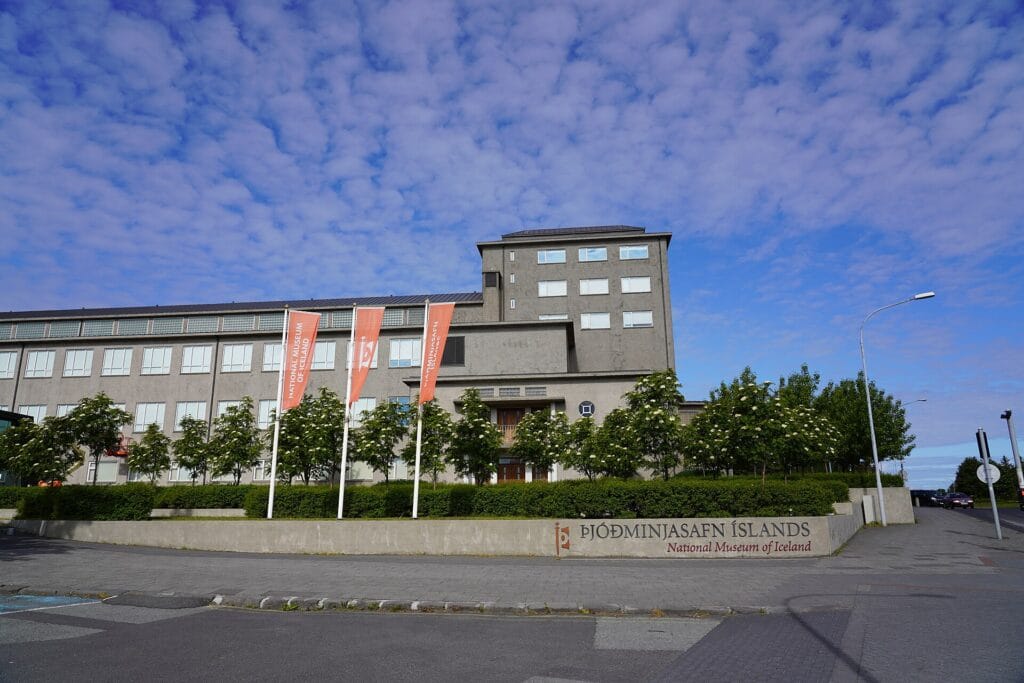
The National Museum’s home is a purpose-built modern facility in Reykjavík that organizes the galleries to guide visitors through time logically. The flow starts in the Viking Age, with displays laying out the archaeological basis for understanding Iceland’s early years, moves through the medieval period where Christianity and trade shaped the island’s development, and continues into the eras of Danish rule, independence movement, and contemporary Icelandic society. The exhibition spaces are arranged to allow close examination of artifacts while providing enough textual context. This creates an environment where the visitor can piece together how Icelandic identity evolved in relation to nature, politics, and culture.
Suitable Visitors and How Much Time to Allow
The National Museum is best suited to visitors interested in history, archaeology, and ethnography who want to dive into Iceland’s past grounded in tangible objects. It will appeal particularly to those with some prior knowledge or curiosity about the Viking Age, medieval Europe’s northern periphery, and how isolated communities adapt over time. Casual visitors with little background may find parts of the displays detail-dense but will still find vivid scenes from the past. Given the museum’s focused content, a visit around 1.5 to 2 hours allows a good pace without rushing. Those with deeper interest can spend more time reading labels and absorbing the extensive collection.
Differentiating from Other Reykjavík Museums
Compared with Reykjavík’s other museums, the National Museum’s distinction lies in its comprehensive narrative of Iceland’s cultural history backed by archaeological finds and artifacts rather than art or natural history. Places like the Reykjavik Art Museum or the Saga Museum take different approaches—artistic interpretation or theatrical reenactment—while the National Museum provides a steady historical framework supported by original objects. This makes it a key institution for understanding how Iceland’s cultural identity has been shaped by both its environment and its people over more than a millennium.
Special Exhibition Space and Program
While the permanent display forms the heart of the museum, it also hosts rotating temporary exhibitions that explore specific themes in greater depth or introduce recent research findings and contemporary artistic responses linked to Icelandic history. These exhibitions occasionally accompany public talks or related events, giving returning visitors a new perspective on familiar topics or uncovering recent discoveries. Checking the museum’s website before visiting can give information on current or upcoming special exhibitions, which may interest visitors who have already seen the core presentation.
Planning Your Visit—Check Updates Online
The National Museum of Iceland’s primary website offers the most reliable source for current visitor information. This includes practical details such as opening hours, admission rules, availability of guided tours, accessibility facilities, and other services. Because hours and arrangements may change seasonally or in response to public health guidelines, consulting the official site before planning a visit is essential. No general assumption about ticket cost or accessibility can substitute for the museum’s own up-to-date details.
What to Take Away from the National Museum Experience
A visit to the National Museum offers the chance to understand Iceland less through legend and spectacle and more through the everyday objects and moments that built its society. The collection brings context and concreteness to Icelandic history, covering not only sagas and high culture but also the materiality of life on a remote island. This museum invites visitors to consider how a distinct national identity was constructed and preserved through artifacts that physically connect past generations to today’s Iceland. For those interested in history’s tangible side, the National Museum of Iceland offers a focused and carefully curated perspective.