Ethnographic Museum Rwanda Review
Ethnographic Museums · Huye, Rwanda. Located in Huye, a town in southern Rwanda, the Ethnographic Museum offers a focused window into Rwanda’s cultural history, social structures, and daily life traditions. This museum stands apart by centering on ethnography rather…
Ethnographic Museums · Huye, Rwanda. Located in Huye, a town in southern Rwanda, the Ethnographic Museum offers a focused window into Rwanda’s cultural history, social structures, and daily life traditions. This museum stands apart by centering on ethnography rather…
Best forMuseum lovers, culture travelers, first-time visitors
Review focusCollections, visitor experience, and practical planning
The Museum in Context
Located in Huye, a town in southern Rwanda, the Ethnographic Museum offers a focused window into Rwanda’s cultural history, social structures, and daily life traditions. This museum stands apart by centering on ethnography rather than a broad sweep of art or general history. It intentionally situates material culture within the complex identities of Rwanda’s ethnic groups, including Hutu, Tutsi, and Twa communities. Its location in Huye, a university town, suggests a leaning toward research and education alongside public display, anchoring the museum in a regional context rather than the capital city of Kigali where national institutions more often concentrate. The Ethnographic Museum is therefore defined by a commitment to examining Rwanda’s people and their interactions with environment, society, and heritage, often through tangible objects and tools rather than abstract narratives.
This concentrated approach shapes its appeal and scope. Unlike national museums that try to survey Rwanda’s entire history, this museum digs into what material culture reveals about social life in the past and present. From a wider perspective, it forms part of the country’s effort to safeguard and interpret indigenous heritage within a society still dealing with the legacies of colonialism, genocide, and political upheaval. Its regional setting might limit its visibility in international tourism circuits but also grounds the collection in a community with a historical connection to the objects and stories exhibited.
Collections Worth Understanding
The core strength here lies in the museum’s collections of traditional tools, crafts, and domestic objects that illustrate everyday life in Rwanda before and during early colonial contact. Categories such as agricultural implements, hunting weapons, traditional musical instruments, clothing, and household utensils paint a detailed picture of rural customs and technological adaptation. For example, the presence of elaborate wooden vessels, woven baskets, and decorated gourds highlights craft practices central to both utility and social identity. The collection gives weight to often overlooked elements of culture that do not rely on high art or spectacular artifacts but embody knowledge transmitted over generations.
A noteworthy part of the museum’s holdings concerns the classification and symbolism around social status and ethnicity, exemplified in objects linked to cattle herding or ritual events. Cattle have long been a socio-economic and symbolic asset in Rwanda, so displays including traditional cowbells or herding equipment deepen understanding of pastoralist practices and social relations. The museum also engages with pre-colonial and colonial histories by showing transformations in objects and materials, such as the introduction of metal tools and shifts in agricultural techniques.
While the focus remains ethnographic and Rwandan, exposure to neighboring cultures and comparative objects might be limited, which tightens the narrative but narrows direct study of broader regional dynamics. Nevertheless, for specialists of Rwandan culture or African ethnography more generally, the material here is detailed and context-specific enough to support serious inquiry.
Presentation and Storytelling
Exhibition strategies prioritize straightforward display and explanation over theatrical or heavily multimedia-enhanced narratives. Objects tend to be arranged by function—tools in one space, textiles in another—with accompanying text panels that explain use, symbolism, and social context. This arrangement suits the museum’s teaching mission and practical research use, as it allows visitors to focus on objects themselves rather than elaborate stagecraft. While this might not offer immersive storytelling experiences found in larger institutions, it aligns with ethnography’s grounding in material culture and social context.
Text interpretation often draws on anthropological perspectives, detailing how objects connect to social roles, rituals, or environmental adaptation. This provides clarity but can feel academic, potentially challenging those unfamiliar with ethnographic methods or Rwandan history. There appears to be limited interactive or digital interpretation, which means the museum favors a traditional mode of display that requires attentive reading.
On balance, the presentation respects the complexity of the subject matter without oversimplifying, though it may not suit visitors expecting more narrative-driven or visually dynamic exhibitions. This style offers depth for those interested in material culture studies, but less stimulus for casual browsers or younger audiences unless complemented by guided instruction.
The Experience on the Ground
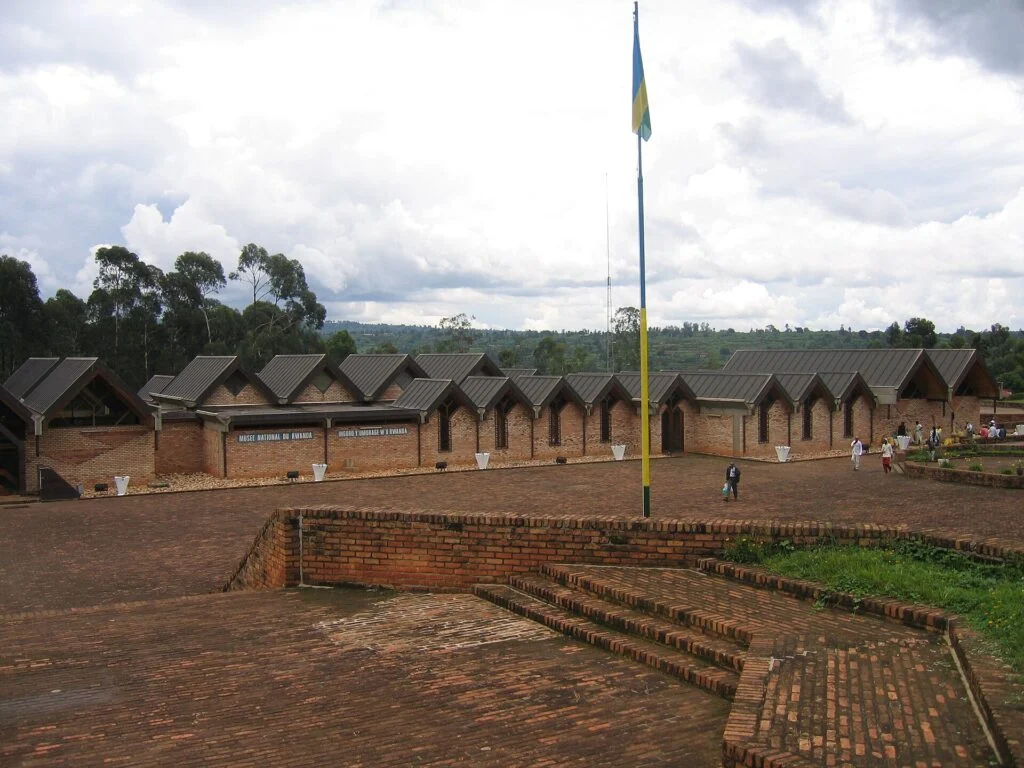
The museum building itself is modest, a structure originally part of the National University of Rwanda’s facilities. Its location central to Huye brings it within reach of students and local residents, reinforcing its role more as an academic and community resource than a tourist landmark. While details on visitor facilities or layout are not widely documented, its practical setting likely means a more subdued, unpretentious museum atmosphere.
As a museum with strong ties to research, it probably sees steady usage by scholars, students, and cultural practitioners who value access to ethnographic materials rather than attracting high visitor numbers. This focus may affect practical aspects such as signage, seating, or retail opportunities, which seem limited based on available information.
For those looking to understand Rwanda through artisanal production, farming methods, domestic life, and social organization, the museum offers relevant content. However, the absence of extensive modern amenities or high-profile programming might give it a quieter presence compared to Kigali museums oriented toward international visitors. Visitors should check directly with the museum or affiliated educational institutions for the latest on opening hours and services.
Where the Museum Excels
Ethnographic specificity is the museum’s strongest asset. It presents Rwandan material culture in a way that avoids generalities, illustrating how objects connect to the rhythms of everyday life and larger social structures. This grounded focus turns what could be a sprawling cultural inventory into a coherent set of stories about identity, adaptation, and continuity.
Its holdings relating to Rwandan cattle culture and associated ritual are valuable because few museums provide such detailed attention to this important aspect of East African societies. The careful curation of agricultural, hunting, and domestic tools also adds to understanding local knowledge and environmental management well before globalisation or colonial influence.
In terms of academic relevance, the museum serves a clear purpose. It offers tangible resources for researchers interested in material anthropology, African ethnography, or regional studies. Its ties to university programs or cultural heritage projects likely enhance its contribution to Rwanda’s cultural landscape.
What to Know Before Visiting
Practical information about the Ethnographic Museum’s visiting conditions is thin in public sources. It is advisable for potential visitors to consult the museum’s official contacts or local cultural bodies to confirm opening times, admission fees, and available services. The rural town setting means it might be less accessible than museums in Kigali, so traveling arrangements should be planned accordingly.
Visitors with a general interest in Rwanda may find this museum narrower in scope than a national museum or contemporary art venue. Its emphasis on ethnography demands some patience with detail and textual explanation, so those without prior knowledge of Rwandan society could benefit from preliminary reading or accompaniment by a knowledgeable guide.
Expect a museum geared more toward education and research than tourism. This likely influences the physical layout, graphic design, and visitor amenities, which may be basic but sufficient for appreciating the core collection.
Our View
The Ethnographic Museum in Huye addresses a distinctive niche within Rwanda’s museum scene. By concentrating on the material culture of Rwanda’s ethnic and social groups, it avoids dispersing resources across broad historical or political narratives. This focus provides depth at the cost of general tourist appeal, which is a defensible choice given the importance of recording and interpreting everyday life in a country with complex histories.
Its detailed collections relating to traditional tools, crafts, and cattle culture offer meaningful insight into Rwandan rural societies that larger, more generalized museums can overlook. The museum’s presentation style, while restrained and somewhat academic, maintains the integrity of the subject matter even if it limits broader accessibility.
In sum, this museum will have most value for scholars, students, or visitors seeking a serious ethnographic perspective on Rwandan culture and social history. Those expecting a broad overview of national history or contemporary culture might find it narrow. Its strengths lie in specificity and tangible connections to the country’s rural past, and it occupies an important place in Rwanda’s cultural infrastructure because of this. Prospective visitors should look up current practical details before planning a visit.