Ethnographic Museum Rwanda
Ethnographic Museums · Huye, Rwanda. The Ethnographic Museum Rwanda in Huye is dedicated to the cultures and societies of Rwanda and the Great Lakes region. Unlike many institutions that emphasize art or archaeology alone, this museum focuses on social…
Best forMuseum lovers, culture travelers, first-time visitors
Setting / nearbyHuye, Rwanda
Overview
The Ethnographic Museum Rwanda in Huye is dedicated to the cultures and societies of Rwanda and the Great Lakes region. Unlike many institutions that emphasize art or archaeology alone, this museum focuses on social anthropology through a range of everyday objects, traditional crafts, and cultural practices. It presents these within a framework that explores how local communities have adapted to historical and environmental changes. The museum’s approach is mainly educational, aiming to record and communicate aspects of Rwanda’s social history rather than positioning itself as a comprehensive history museum or art gallery.
Collection Highlights
The museum’s core holdings consist largely of artifacts related to the diverse ethnic groups of Rwanda, including the Hutu, Tutsi, and Twa peoples. Among the exhibited items are traditional tools, household objects, clothing, and implements used in farming and hunting. A notable portion of the collection is dedicated to agricultural techniques and implements reflecting the region’s rural economy. For instance, displays show traditional tools employed in banana cultivation and cattle herding, which have long shaped local livelihoods.
Textiles form a significant part of the collection, with examples of woven baskets and cloth that demonstrate local craftsmanship and customary symbolism. These objects represent the functional as well as the ceremonial aspects of Rwandan life. The museum also holds masks and musical instruments that illustrate traditional beliefs and performance practices. Although specific individual artifacts are not highlighted in detail, the overall presentation focuses on the material culture of day-to-day existence and ritual.
A section of the museum addresses the history of social structures and rituals associated with marriage, birth, and initiation rites. Photographs and documentation accompany many displays to provide context. The museum extends its ethnographic interest to include comparative material from neighboring regions, which allows visitors to trace cultural parallels and distinctions across borders.
Building and Setting
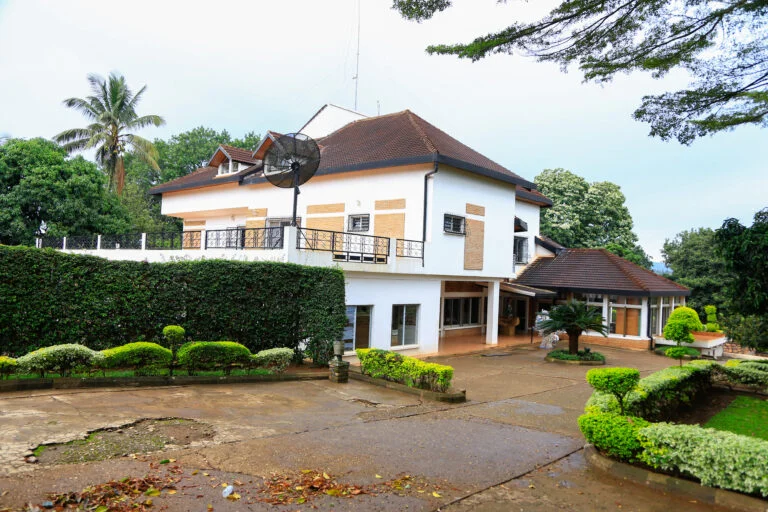
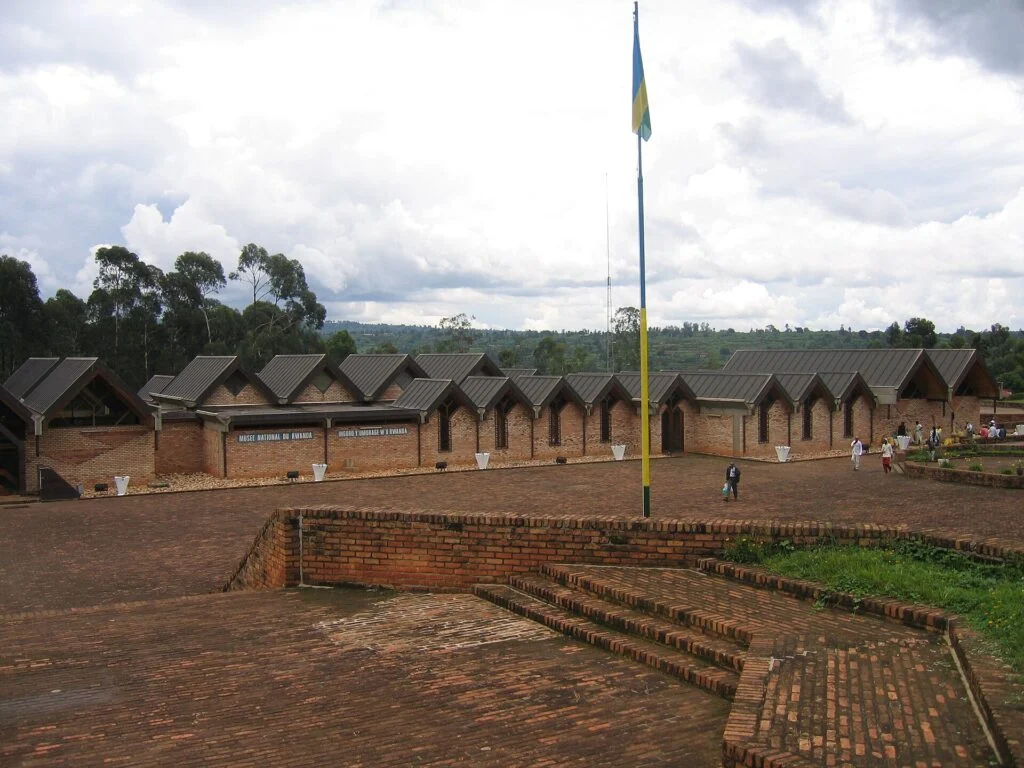
Housed in a former palace complex, though now adapted for museum purposes, the Ethnographic Museum occupies a space that connects to Rwandan traditional authority. The structure itself includes historically significant architecture, combining colonial-era influences with indigenous styles. Its location in Huye situates the museum near a university town setting, which attracts researchers and students interested in anthropology and history.
The museum is arranged over several rooms rather than a single open gallery, which influences how the displays are grouped and viewed. The building’s configuration and the placement of objects suggest an emphasis on thematic rooms that explore specific cultural aspects rather than a chronological narrative. Outdoor grounds linked to the museum include courtyards and gardens where occasional demonstrations or cultural events take place, though these are not constant features.
Practical Information
Current information regarding hours, admission, guided tours, and accessibility should be checked on the museum’s official website before planning a visit. The Ethnographic Museum Rwanda is operated under government and academic supervision, which can affect its visiting schedule and the availability of resources like explanatory materials or English-language guides.
Because detailed visitor amenities or services are not widely documented, preparing in advance is advisable. Visitors interested in deeper study might reach out to contact points to inquire about access to archives or special collections. Huye itself is accessible by road from major cities like Kigali, with local transport options leading to the museum’s central location.
Why Visit
This museum offers a focused look at the material dimensions of Rwandan culture grounded in anthropology rather than in fine art or archaeology. Its strength lies in presenting everyday objects and social practices that shaped life in this part of East Africa. This makes it a relevant stop for visitors interested in ethnography, local customs, and the history of rural communities. Since the collection includes a variety of functional objects along with ritual items, it provides a tangible sense of tradition grounded in local environments.
The museum’s emphasis on social and cultural anthropology rather than large-scale historical events or artistic masterpieces may not appeal to every visitor. Those hoping for comprehensive historical context or a wide range of archaeological finds might find the museum more limited. However, for understanding the lived experience and material culture of Rwanda’s peoples, it plays a clear role.
The setting of the museum in Huye near a university campus also links it to academic research, potentially attracting scholars or students with specific interests in Rwandan society. The building’s former palace origins add an architectural dimension that connects to the region’s political history, though interpretation focuses mainly on the ethnographic collections.
In short, the Ethnographic Museum Rwanda provides a lens on Rwanda’s cultural diversity centered on household objects, agricultural life, traditional crafts, and rituals. Its approach relies on objects as points of departure for exploring social life, lending it a particular orientation useful for visitors curious about the cultural fabric of the region beyond broader national histories or art traditions. Readers considering a visit should balance the ethnographic focus and the museum’s scale against their own interests and preparation.