Vietnamese Women’s Museum Review
Hanoi, Vietnam. The Vietnamese Women’s Museum in Hanoi addresses a subject that remains underrepresented in many national narratives: the stories and contributions of women within Vietnam’s history and society. Rather than presenting a broad historical sweep…
Hanoi, Vietnam. The Vietnamese Women’s Museum in Hanoi addresses a subject that remains underrepresented in many national narratives: the stories and contributions of women within Vietnam’s history and society. Rather than presenting a broad historical sweep…
Best forMuseum lovers, culture travelers, first-time visitors
Review focusCollections, visitor experience, and practical planning
Why This Museum Matters
The Vietnamese Women’s Museum in Hanoi addresses a subject that remains underrepresented in many national narratives: the stories and contributions of women within Vietnam’s history and society. Rather than presenting a broad historical sweep or a general overview of Vietnamese culture, it zeros in on the complex roles women have played—from family life to resistance movements, patronage of handicrafts to political activism. This concentrated focus sets it apart from the more familiar historical or ethnographic museums in the city. The museum’s significance lies in amplifying voices and experiences that are otherwise easily overlooked in broader historical accounts dominated by male figures or high political events.
This approach matters precisely because it challenges the conventional frameworks through which many in and outside Vietnam have understood the country’s past and present. It foregrounds women’s contributions not as a footnote but as a decisive force shaping social structures and cultural identities. Across several decades marked by war, revolution, and social transformation, women were both makers and bearers of change. Capturing this in a dedicated museum signals a willingness to interrogate gendered dimensions of history and culture that are often tacit or marginal.
The Collection in Focus
The museum’s collection centers primarily on three areas: women’s roles in family and community, their participation in national struggles, and their embodiment of cultural traditions through crafts and dress. The family and community section includes photographs, personal belongings, and oral histories that reveal daily life, the expectations placed on women, and their work within agrarian and urban settings. This part of the collection grounds the museum’s narrative in everyday realities that are often absent in national histories.
In documenting women’s involvement in Vietnam’s wars—from the French colonial period through the Vietnam War—the museum gathers military uniforms, weapons, medals, letters, and photographs. These items are notable for emphasizing the diversity of women’s contributions, not just as nurses or supporters but also as guerrilla fighters, spies, and leaders. This widens understanding of wartime roles beyond the stereotypical.
The display of traditional costumes, textiles, and handicrafts highlights China-influenced and indigenous clothing styles from the ethnic minority groups in Vietnam’s northern and central regions. This adds layers to the presentation, illustrating women’s craftsmanship as well as their role in cultural preservation. The collection’s strength lies in its tangible articulation of identity, work, and resistance.
How the Story Is Told
Interpretation is direct and factual, with panels often combining timelines, brief biographies, and ethnographic details. The museum avoids lengthy academic discourse in favor of accessible, clearly laid-out information. However, this does not mean the narrative is superficial. Instead, it uses specific objects and stories to suggest broader themes, such as resilience, negotiation of social status, and the complexity of female agency.
The layout is chronological and thematic, starting with familial roles and moving into wartime activities before closing on cultural and artistic expressions. This progression allows the museum to build a layered picture of Vietnamese women’s lives over time without losing sight of local diversity. However, the design has been noted elsewhere for modest use of multimedia or interactive elements that might engage younger visitors or those less familiar with Vietnam’s history. The museum relies strongly on photographs, documents, textiles, and traditional handicrafts to carry its storytelling.
A particular merit is the inclusion of first-person accounts and testimonies that appear alongside material objects. This pairing adds emotional depth and personalizes wider social trends without turning the museum into a memorial space focused solely on suffering. It respects complexity, showing women both as victims and agents.
The Visitor Experience
The museum is housed in a three-story building near Hanoi’s historic center, occupying a modern but restrained architectural form that contrasts with neighboring colonial and traditional buildings. This modest setting helps emphasize the museum’s purpose as a dedicated space rather than a grand statement. The layout is organized but dense, with a significant amount of textual information which suggests that visitors would benefit from a good grasp of Vietnamese history or a preparatory reading before visiting.
Signage is primarily in Vietnamese and English, which accommodates international visitors, although translations sometimes miss subtleties in the original texts. The lighting is functional but not dramatic, focusing on clarity rather than spectacle. This no-frills approach forces attention on the exhibits themselves, although it might leave visitors accustomed to high-end design or multimedia disappointed.
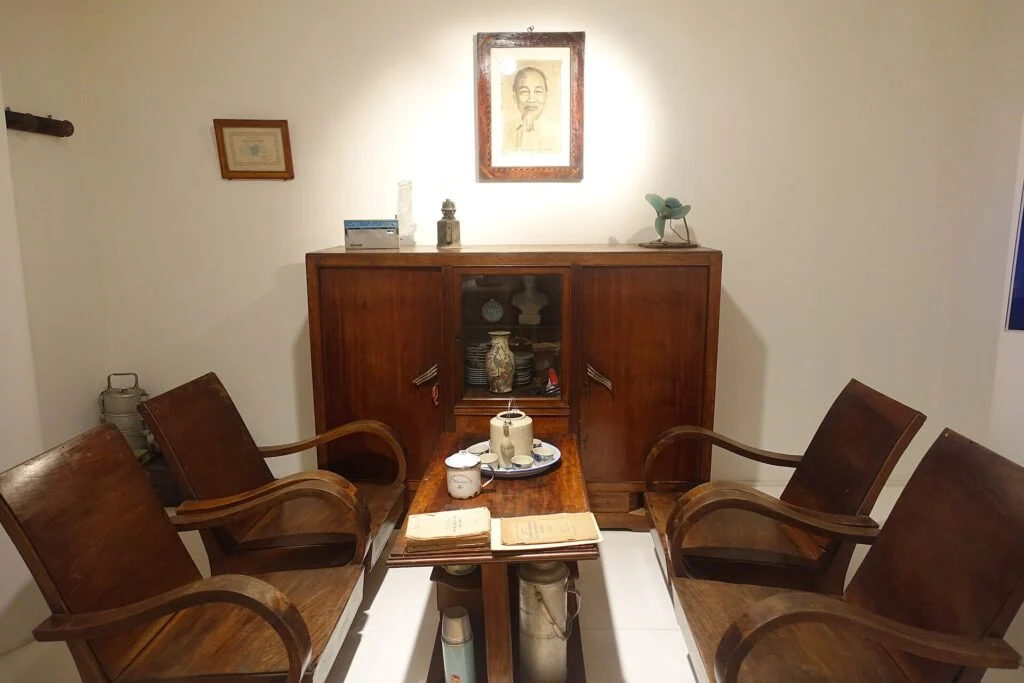
Photographs and personal items such as letters, cooking tools, and clothing are displayed carefully but without much installation artistry or contextual dramatization. The emphasis is on authenticity and preservation rather than theatrical presentation. This can be a double-edged sword: the authenticity appeals to those interested in historical detail and documentary evidence but might seem static or flat to those expecting dynamic exhibitions.
Who Will Enjoy It Most
Interest naturally congregates around audiences who want a deeper understanding of Vietnam beyond the well-trodden war narratives or the major dynastic histories. Scholars, students of gender or Southeast Asian studies, and visitors with a particular interest in social history will find this museum rewarding. It provides concrete sources to explore themes of gender, family, ethnicity, and political activism in ways few other institutions in Hanoi do.
Those curious about textiles, traditional crafts, and minority cultures will also find much to engage with, particularly the displays of regional clothing and weaving techniques. However, this is not a comprehensive ethnographic museum for minority cultures; the focus remains on women’s perspectives within these communities.
The museum might be less appealing to visitors looking for a broad, illustrated history of Vietnam or a heavily interactive experience. The tone is measured and documentary rather than celebratory or designed for rapid consumption. It suits reflective and patient visitors prepared to read carefully and think analytically.
Planning the Visit
Housed a short distance from the Old Quarter, the Vietnamese Women’s Museum’s location makes it accessible for most travelers staying in central Hanoi. The building’s three levels split the exhibitions by theme in a logical pattern, but navigating the full displays may require at least 90 minutes, depending on the visitor’s pace and interest in reading the accompanying texts.
Information on admission policies, opening hours, and current exhibitions is best obtained from the official website or local visitor centers before a visit, as this information can fluctuate. Accessibility details—such as lifts for wheelchairs or assistance for visitors with disabilities—should be confirmed in advance, since the building is newer but situated on a constrained urban site.
No details are widely reported about guided tours, which suggests visitors might rely on self-guided exploration supplemented by reading or pre-visit research. Audio guides or digital apps would enhance understanding but do not seem to be a feature.
Editorial Verdict
The Vietnamese Women’s Museum occupies a distinctive niche in Hanoi’s museum landscape by addressing gendered history with an honest, artifact-driven approach. Its strength lies in the clear focus on women’s lived experiences through periods of profound upheaval and transformation in Vietnam. By emphasizing personal stories alongside traditional crafts and political roles, the museum conveys a nuanced image of women’s contributions to family, society, and nation-building.
The presentation is straightforward and informative but lacks some interpretive innovation or design flair that would broaden its appeal, especially to a general audience. Its textual density and quiet display style require an engaged mindset and some background knowledge to fully appreciate.
In sum, this museum serves an important documentary function and advances the visibility of women’s roles in Vietnam’s past and present. Its value rests in its carefully curated tangible heritage and testimonies rather than a theatrical visitor experience. Those interested in gender history or Vietnamese social complexity will find it worth their time, while others may need patience and preparation to gain the full reward.