Slovak National Gallery
Bratislava, Slovakia. The Slovak National Gallery, based in Bratislava, is Slovakia’s foremost fine art museum. It primarily assembles and presents visual art ranging from medieval to modern periods, with a particular attention to Slovak and Central…
Best forMuseum lovers, culture travelers, first-time visitors
Setting / nearbyBratislava, Slovakia
Overview
The Slovak National Gallery, based in Bratislava, is Slovakia’s foremost fine art museum. It primarily assembles and presents visual art ranging from medieval to modern periods, with a particular attention to Slovak and Central European artists. Unlike a general or encyclopedic art museum, it concentrates on the graphic, decorative, and fine arts that have a place in Slovakia’s visual history while simultaneously including some international works. The gallery’s role extends beyond display to art preservation and research within the country, reflecting the broader narratives of Slovak identity through its collections.
Collection Highlights
The gallery holds a large number of works across several media, including painting, sculpture, graphic art, and applied arts. It presents a clear chronological progression of art development in the region, starting from medieval religious icons and altar pieces, moving through Renaissance and Baroque periods that show the influence of European styles on local artists. The collection includes significant examples of 19th-century Slovak realist and romantic painters who captured the evolving social landscape around the time of national revival movements.
More than just historical works, the Slovak National Gallery features 20th-century pieces demonstrating modernist, avant-garde, and contemporary Slovak art. There are representations of international avant-garde art of the early 20th century as well, connecting the Slovak artistic discourse to broader European trends. Particular strengths lie in graphic art, with a notable number of works on paper, including prints and drawings that document shifts in style and technique. The museum also holds collections of decorative and applied arts such as textiles, ceramics, and glass, which reflect craftsmanship as well as artistic innovation in the region.
Artists linked to Slovakia, from those active in the Austro-Hungarian period through to postwar and contemporary creators, appear throughout the collections. Above all, their work reveals the complexities of Slovak cultural identity and art history in relation to neighboring countries and wider European art movements. The graphic art collection traces technical development and thematic experimentation from the 19th century onward and includes works by artists like Koloman Sokol and Janko Alexy.
Building and Setting
The Slovak National Gallery occupies two main buildings in Bratislava. The primary building, situated in the Esterházy Palace, is a Baroque structure dating from the 18th century. This historic palace was transformed into a museum space, integrating modern gallery facilities with period architecture. The palace is located in the Old Town district, a central area that contains a number of cultural institutions and historic landmarks, reflecting Bratislava’s layered urban history.
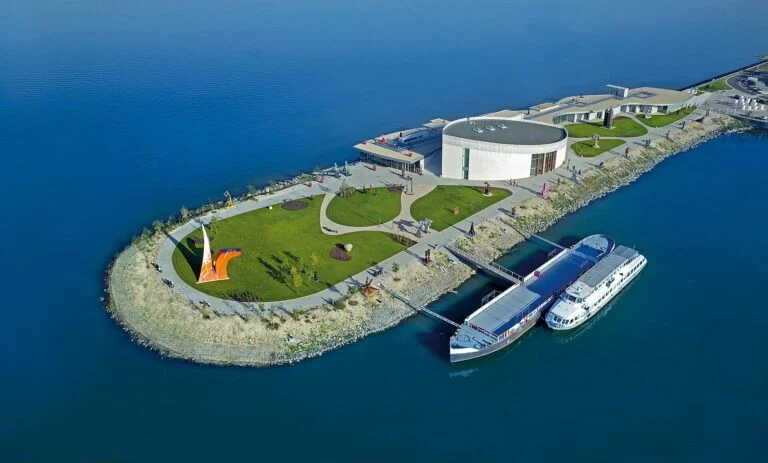
Alongside the palace, the Esterházy Garden provides an outdoor setting connected to the museum. Across the Danube, the second building of the Slovak National Gallery—the Water Barracks (Vodne Kasarne)—offers additional exhibition space that supports larger temporary exhibitions and certain parts of the permanent collection. This 19th-century military barracks was repurposed to meet the needs of a contemporary museum, with simpler, more flexible display areas compared to the palace’s ornate interiors. The split between historic and more utilitarian architecture allows the museum to alternate focus between the permanent displays and special exhibitions.
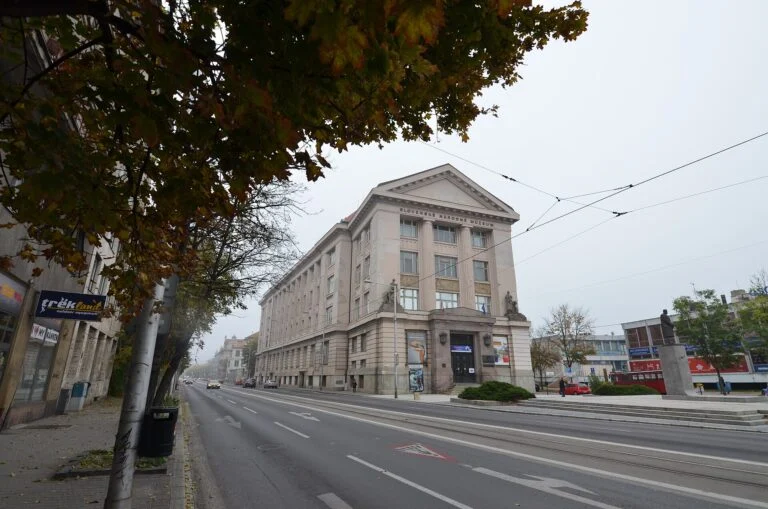
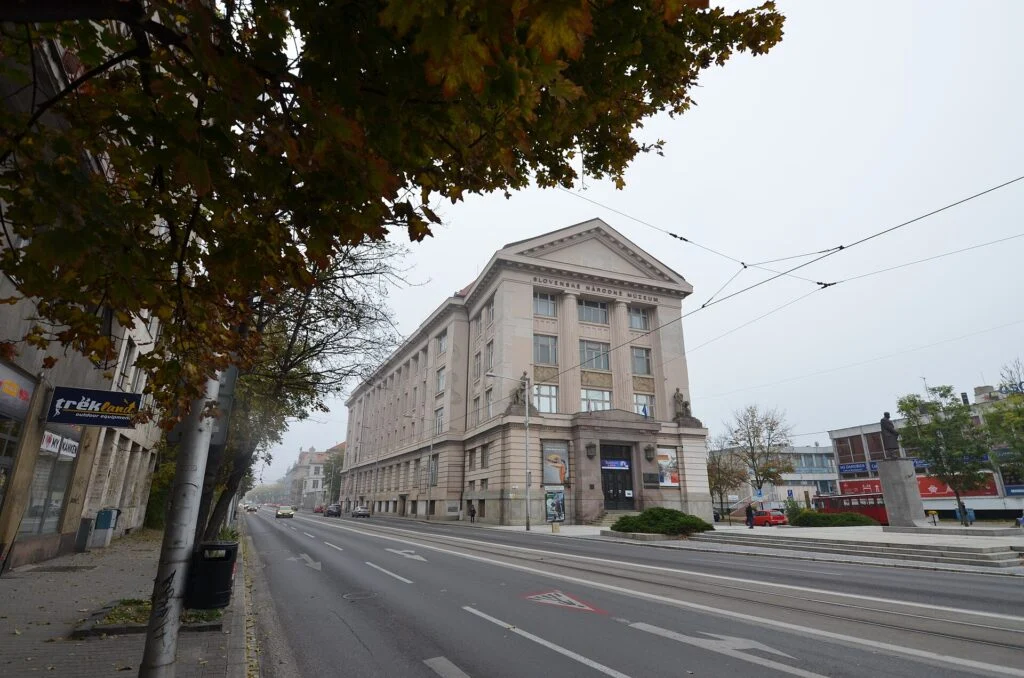
The location in Bratislava’s city centre places the gallery conveniently near other significant cultural sites, including the Bratislava Castle and the Slovak National Museum, making this area a key point for encountering Slovak heritage through various institutions.
Practical Information
Arrangements for visiting the Slovak National Gallery, such as opening hours and entry fees, fluctuate according to temporary exhibitions and official decisions. Visitors are advised to check the museum’s official website for the latest details on access, ticket pricing, discounts, and any special programs. The website also provides updates on current exhibitions, guided tours, and educational activities.
The gallery’s two main sites allow visitors to experience different types of museum architecture and exhibition design, but shifting between the palace and the Water Barracks can require some travel within the city. The public transport system connects the main locations to the wider Bratislava area. For those prioritizing ease, concentrating on one building per visit might be more practical given time constraints.
Why Visit
The Slovak National Gallery rewards those interested in Central European art, offering a focused look at Slovak visual culture that is hard to find elsewhere. Its extensive holdings reveal artistic developments within a national context, which can be especially interesting if one wants to explore art histories less familiar from the usual Western European canon. The strong emphasis on graphic art and applied arts provides a dimension beyond well-known painting and sculpture, highlighting everyday creativity and craft.
Visitors should consider the split locations when planning a visit. The historic setting of the Esterházy Palace offers a contrast between Baroque architecture and the displayed artworks, something that can enrich an experience for those interested in how museum buildings contribute to presenting art. Meanwhile, the Water Barracks caters well to larger and contemporary shows but is more removed from the historic centre.
For those with particular interest in the Slovak art scene or its international foregrounding, the gallery’s collection is a resource that presents a wide span of the country’s artistic engagement across centuries. Less suitable might be those looking for a broad survey of global art history, as the museum remains largely focused on national and regional works.
Visiting the Slovak National Gallery provides insight into a museum whose collections and exhibitions engage seriously with Slovak art and its European context. It stands as a key cultural institution in Bratislava, offering content that is specific and detailed rather than broad or sweeping. Checking the current program before arrival will help identify any temporary exhibitions that might complement or intensify interest in particular artists or themes.