Kwame Nkrumah Memorial Park and Mausoleum
Memorial Museums · Accra, Ghana. The Kwame Nkrumah Memorial Park and Mausoleum in Accra centers on Ghana’s first president and a key figure in African independence movements, Kwame Nkrumah. It functions as both a mausoleum and a public park…
Best forMuseum lovers, culture travelers, first-time visitors
Setting / nearbyAccra, Ghana
Overview
The Kwame Nkrumah Memorial Park and Mausoleum in Accra centers on Ghana’s first president and a key figure in African independence movements, Kwame Nkrumah. It functions as both a mausoleum and a public park dedicated to his life and work, creating a space where history, memory, and national identity converge. Unlike a traditional museum with diverse artifact collections, this site carries the weight of Ghana’s political history and commemorates Nkrumah’s role in shaping the modern nation. It illustrates a blend of memorial architecture and historical narrative that reflects the aspirations and struggles of Ghana during the mid-20th century.
Collection Highlights
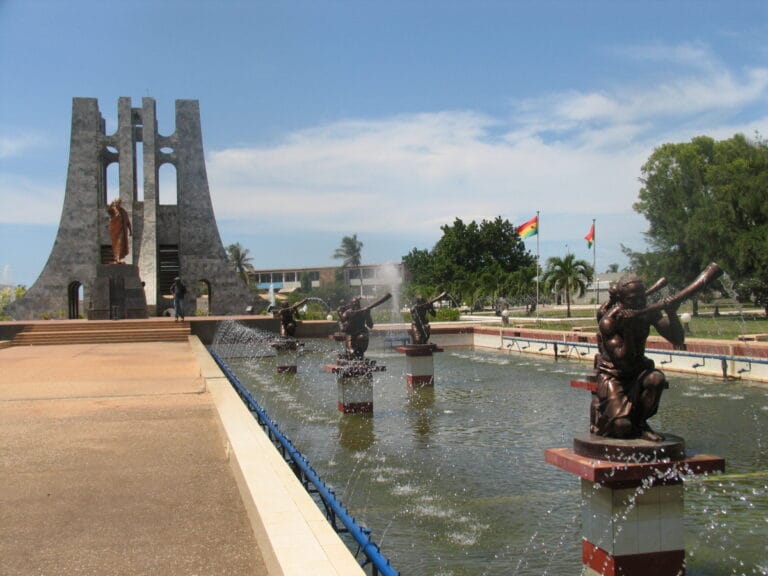
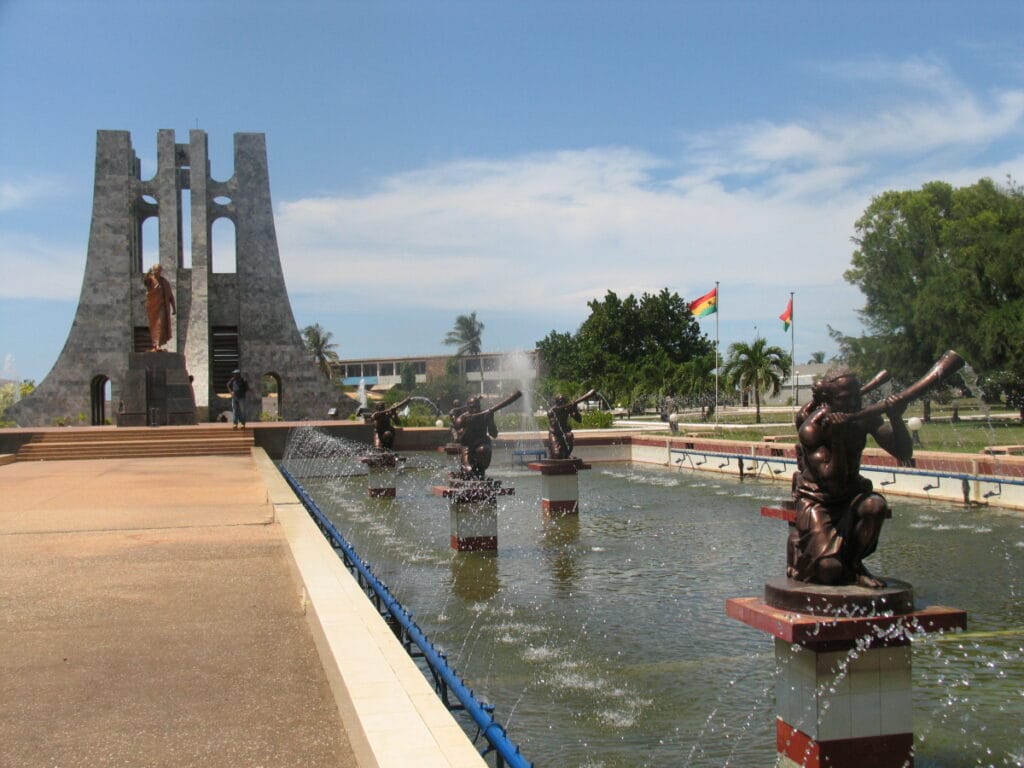
The central feature is Kwame Nkrumah’s final resting place, housed within the mausoleum. The structure contains his coffin made of Italian marble and is surrounded by statues representing various themes connected to his legacy. Statues evoke ideas such as unity, freedom, and African heritage, linking Nkrumah’s personal story to broader continental movements for independence.
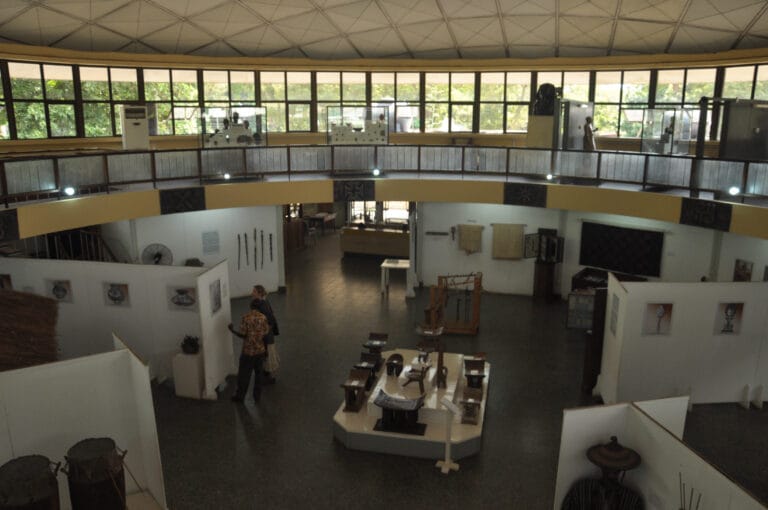
Inside the mausoleum’s museum section, visitors find photographs, documents, and personal artifacts related to Nkrumah’s political career. These include his speeches, writings, and items from his presidency, offering insight into his leadership style and vision for Ghana as well as Africa. The collection encompasses the period from Ghana’s independence in 1957 through Nkrumah’s overthrow in 1966, reflecting key moments in both his life and Ghana’s early years as a sovereign state.
The displays also provide context on the Pan-African movement, which Nkrumah championed. This situates his work within a broader effort to connect former colonies across Africa and the diaspora. Objects related to this political philosophy and its history appear alongside multimedia presentations that recount Nkrumah’s influence on African unity and liberation struggles.
Building and Setting
The complex comprises the mausoleum building itself and surrounding park grounds. The mausoleum’s design incorporates symbolic elements, such as a black star monument atop the structure, representing Ghana’s flag and independence. The building’s architecture uses marble and concrete in a clean, geometric style that merges modernist influences with specific references to Ghanaian identity.
The park around the mausoleum extends over several acres in downtown Accra. It includes landscaped gardens and open spaces where national events and ceremonies often take place. The setting places the memorial within the context of the city, linking it physically and symbolically with Ghana’s capital and political life.
The surrounding area carries its own historical weight, with Accra as an evolving center of Ghanaian political and cultural activity since colonial times. The park and mausoleum serve not just as commemorative space but also as a public venue where visitors encounter layers of Ghana’s history in an urban environment.
Practical Information
Before planning a visit, checking the official website is advisable to confirm current opening hours, admission policies, and any special access considerations. Specific details on tour availability and guided visits may be listed there as well.
The site is generally accessible from central Accra, though transportation methods and options may vary. As the mausoleum forms part of a larger park, visitors should prepare for outdoor walking. Admission fees, if any, and policies on photography or group visits should be reviewed ahead of time for a smooth visit.
Why Visit
This memorial park is particularly suited to those interested in African political history and post-colonial narratives. It concentrates on a single influential figure but situates him within wider movements that shaped Ghana and parts of the continent. More than a museum of objects, it offers a physical and symbolic space to consider how political ideals and history are preserved and presented in Ghana today.
Its strength lies in the way architecture, landscape, and curated materials come together to tell a story about leadership, national identity, and resistance against colonial rule. The site’s role as a resting place adds a dimension of solemnity that differs from exhibition-based museums, which can offer closer, more varied encounters with artifacts but less of a sense of memorial presence.
One consideration is that the focus is narrowly on Nkrumah and his era, with less attention to other aspects of Ghanaian culture or history. Visitors seeking a broader cultural overview of Ghana’s traditional arts, diverse ethnic groups, or natural environments would need to seek additional venues.
For those with an interest in 20th-century African history, independence movements, or modern political memorials, the Kwame Nkrumah Memorial Park and Mausoleum provides a tangible link to an era that still informs Ghana’s identity today. It invites reflection on leadership and legacy as expressed through public memory and monumental form.