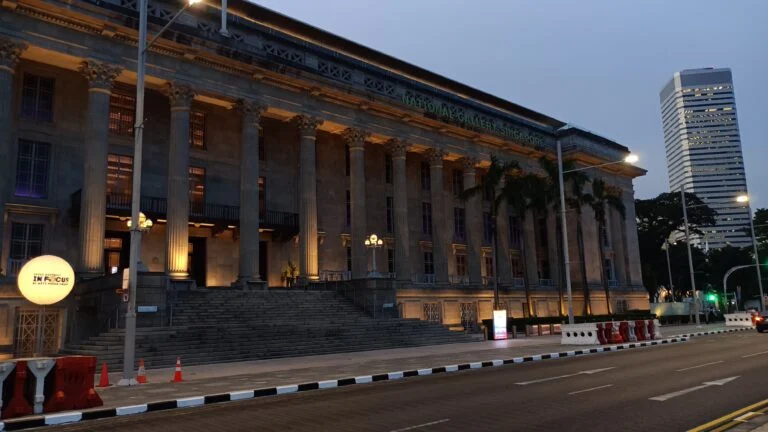
Lee Kong Chian Natural History Museum
Natural History Museums · Singapore, Singapore. The Lee Kong Chian Natural History Museum stands as Singapore’s primary public institution dedicated to natural history. Unlike some museums that blend art, science, and culture under one roof, this museum focuses exclusively on…
Best forFamilies, nature lovers, science travelers
Setting / nearbySingapore, Singapore
Overview
The Lee Kong Chian Natural History Museum stands as Singapore’s primary public institution dedicated to natural history. Unlike some museums that blend art, science, and culture under one roof, this museum focuses exclusively on the natural world, documenting both regional and global biodiversity. It developed as an extension of Singapore’s academic and scientific research, particularly related to the tropics, and it reflects the rich variety of flora and fauna found in Southeast Asia and beyond. The museum is closely linked to the National University of Singapore, carrying forward research collections and making them accessible to the public in a museum environment.
Collection Highlights
The museum holds one of the most extensive natural history collections in Southeast Asia, with over half a million specimens. A significant part of the holdings consists of zoological specimens—animals preserved as skeletons, skins, or taxidermy. These include mammals from Southeast Asia, a notable array of bird species, reptiles, amphibians, and a collection of insects arranged systematically.
Among its well-known specimens is the fossilized remains of the extinct Singaporean rhinoceros, reflecting the island’s prehistoric fauna. The museum’s vertebrate skeleton displays are notable for both their taxonomic diversity and educational value, showing detailed anatomy across species. There is also a range of fossil specimens, some of which provide insights into the geological history of the region.
Beyond animals, the museum holds botanical samples and geological specimens, offering a broader view of natural history. The integration of these collections allows visitors to trace ecological relationships between organisms and their environments over time.
The museum’s collection benefits from ongoing scientific research, and exhibits often reference recent discoveries, such as the description of new species or updates on conservation statuses. Some displays focus on the biodiversity of Singapore’s tropical rainforest, drawing attention to species unique to urban and island habitats.
Building and Setting
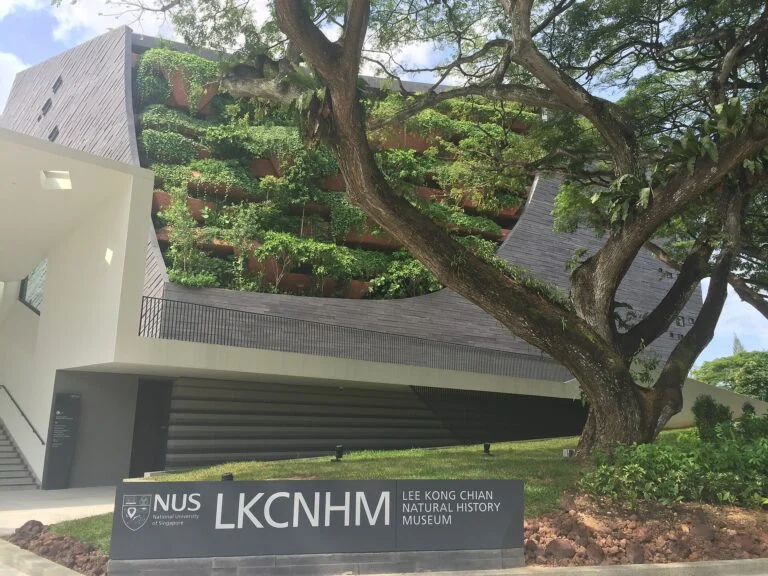
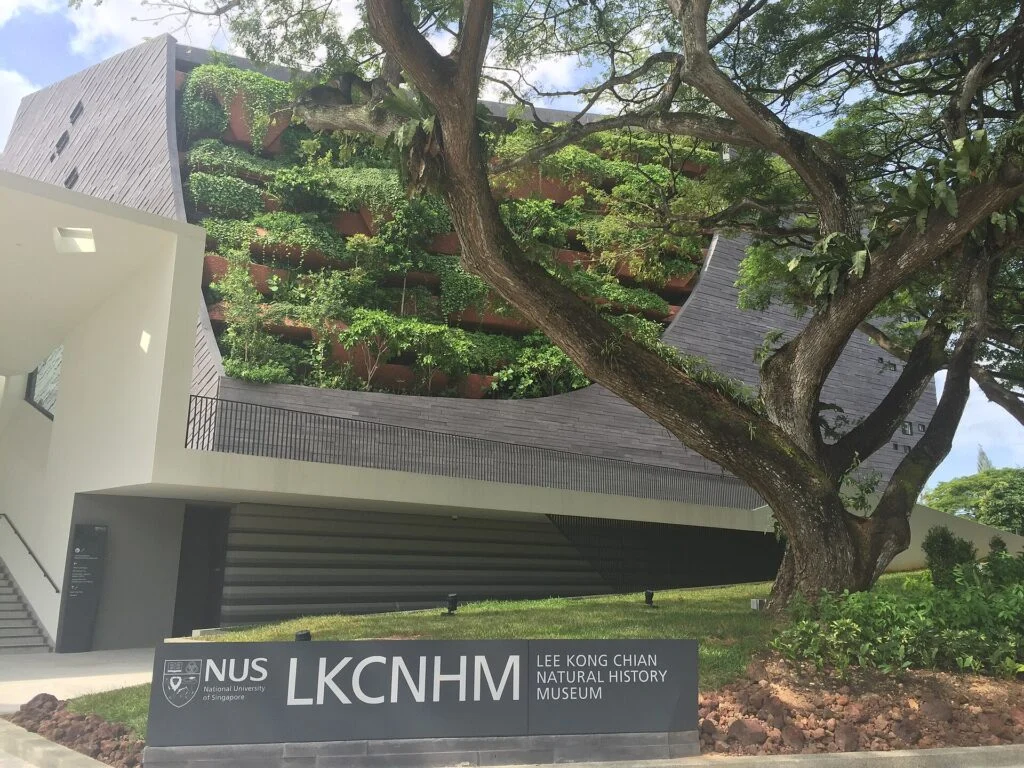
The museum occupies a building specifically designed for its collection and research needs, located on Kent Ridge, within the National University of Singapore campus. This placement connects it physically to an environment of scientific study and education. The building contains climate-controlled storage to preserve delicate specimens, laboratory facilities, and clearly laid-out exhibition spaces.
Its architecture is functional, with galleries arranged to facilitate both public viewing and research access. The design prioritizes the preservation and display of three-dimensional objects like skeletons and fossils, often in cases that allow 360-degree views. Natural light is controlled to protect specimens, and signage is integrated to offer clear information without dominating the exhibits.
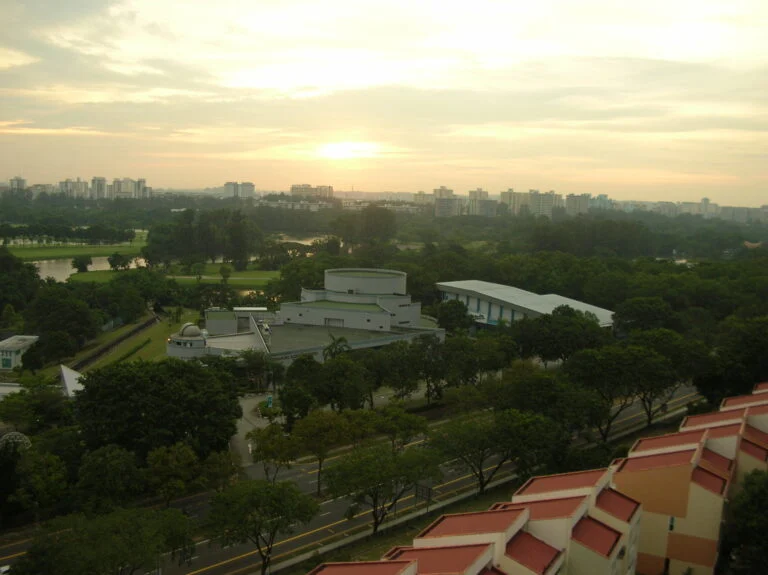
Located in a campus area designed to foster knowledge and learning, the museum is accessible from central Singapore but requires some planning to reach compared to city-center museums. The setting itself doesn’t provide historic architecture or urban vistas but situates the museum within a living academic environment.
Practical Information
For current details on opening hours, admission, guided tours, accessibility arrangements, and any temporary exhibitions, potential visitors should consult the Lee Kong Chian Natural History Museum’s official website. This is especially important as hours and visitor policies may change based on university schedules or public health considerations.
The museum is positioned within the National University of Singapore campus, which is served by public transport but is not adjacent to major tourist hubs. Visitors should plan their trip accordingly, using public transit options or private transport.
On-site facilities primarily support research and education. While typical museum amenities such as cafes and gift shops may be limited, any visitor services can be confirmed via the museum’s information channels.
Why Visit
This museum will appeal especially to those interested in natural history with a focus on tropical biodiversity and regional wildlife. It provides detailed insights into species native to Singapore and the broader Southeast Asian environment, underpinned by a large and scientifically curated collection.
The strength here lies in the depth and scientific character of the specimens, particularly vertebrates and fossils, which might interest visitors with a biology background or those curious about the natural sciences rather than casual tourists. Exhibits are straightforwardly presented, with an emphasis on educational clarity.
Visitors looking for elaborate interactive displays or extensive multimedia presentations may find the experience more traditional and specimen-focused than contemporary natural history museums elsewhere. The museum’s location on a university campus offers an authentic research context but may make it less convenient for casual drop-in visits.
Lee Kong Chian Natural History Museum serves as a significant repository of Singapore’s natural heritage and as a window into the biodiversity of one of the world’s richest tropical regions. Its approach is methodical and centred on natural science collections rather than entertainment, making it a dedicated destination for those who value depth and detail in understanding the natural world.
Readers should check the official website before visiting for the latest visitor information.