Kyoto International Manga Museum
Kyoto, Japan. The Kyoto International Manga Museum focuses entirely on the world of manga, which is Japan’s distinctive style of comic books and graphic novels. This museum sets itself apart by being both a library and…
Best forMuseum lovers, culture travelers, first-time visitors
Setting / nearbyKyoto, Japan
Overview
The Kyoto International Manga Museum focuses entirely on the world of manga, which is Japan’s distinctive style of comic books and graphic novels. This museum sets itself apart by being both a library and an exhibition space, emphasizing the cultural role and history of manga rather than just presenting artworks as fine art objects. Kyoto, as an old capital known for traditional culture, hosting this museum adds an interesting contrast between centuries-old heritage and a modern popular medium. The museum’s dedication to manga is reflected in its layout and services, aiming to document the medium’s evolution while welcoming visitors who want to read manga during their visit.
Collection Highlights
At the heart of the museum is a large, open central room lined floor to ceiling with shelving holding thousands of manga volumes. These span a wide range of genres and eras, from early 20th-century examples to contemporary works. The collection covers multiple formats including classic black-and-white tomes, full-colour magazines, single-issue comics, and fanzines. This variety illustrates how manga has developed stylistically and in content over the decades.
The collection includes historical materials tracing back to the roots of manga influences such as late Edo-period picture books and early 20th-century political cartoons, which contributed to manga’s visual language. It also showcases the postwar rise of manga magazines targeting various audiences, including children, teenagers, and adults. Some material comes from major manga publishers and features works by well-known professional artists, although the museum’s focus extends beyond this to embrace lesser-known titles and regional styles.
Readers interested in the creative process may find occasional exhibits about the tools and techniques of manga artists, including original sketches and storyboards when available. The museum frequently holds temporary exhibitions that dive deeper into certain themes, specific artists, or additional aspects of manga culture. Visitors can also explore educational displays explaining the structure of manga narratives and how manga fits within Japanese popular culture.
Building and Setting
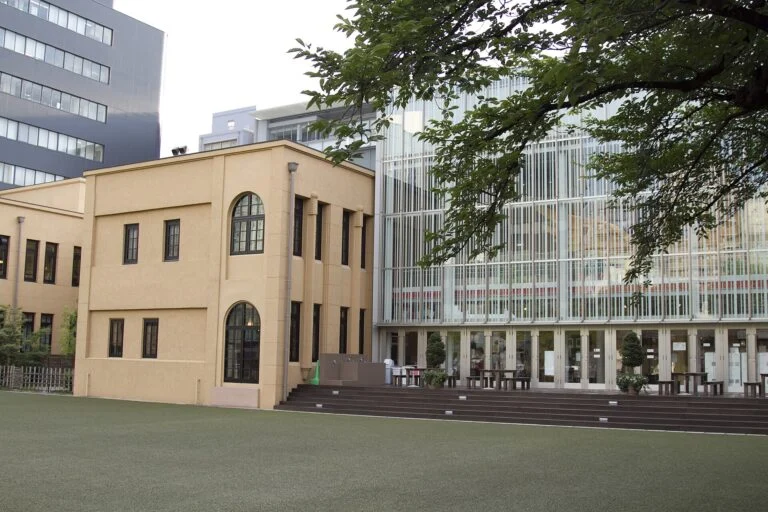
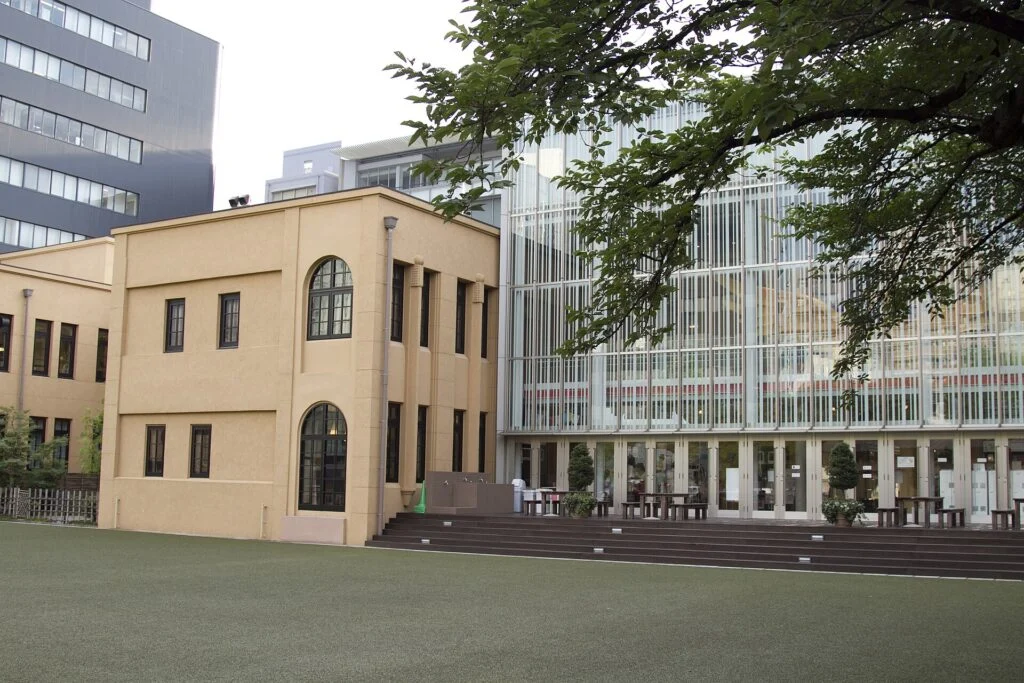
The museum occupies a renovated former elementary school building in central Kyoto. This repurposing allows the museum to keep a spacious and functional layout with multiple classrooms turned into galleries, reading areas, and archive rooms. The large central hall, once the school gymnasium, forms the main manga library room. The architecture mixes plain mid-20th-century institutional design with adaptive use for new purposes.
Situated close to Kyoto’s busy downtown but on a quieter side street, the building sits near cultural landmarks and the university district. This location suits visitors who may be combining a trip to the museum with exploring other parts of Kyoto’s urban landscape. The simple exterior of the building does not advertise the museum’s focus but allows the manga content to take centre stage once inside.
Practical Information
Current information about visiting hours, ticket prices, guided tours, language options, and accessibility can best be verified on the museum’s official website. This is recommended since hours and services may change seasonally or for special events. The museum includes a sizeable manga reading area with seating, where visitors can spend extended time browsing through physical manga volumes, a feature not commonly found in typical museums.
Many visitors come for both casual reading and more serious research—there is a strong emphasis on making the collection accessible. However, the collection materials are mainly in Japanese, so those unable to read the language should plan accordingly. The museum may have some exhibition texts and signage in English or other languages, but the manga itself is a medium where literal translation is rare on-site.
Why Visit
For anyone interested in manga’s history, production, and range, this museum provides a focused resource unlike general art or pop culture museums that might only touch on manga occasionally. The sheer size and variety of the manga library are its main attractions. It allows visitors not only to view historic and rare works but also to engage with manga as a reading experience, which is unusual in museum contexts.
While casual visitors who do not read Japanese might find less direct engagement with the content, the museum’s exhibitions and displays can still offer a useful overview of manga’s development and cultural place. There is a clear effort to contextualize manga within broader Japanese visual traditions and publishing history, giving a dimension beyond entertainment value.
One limitation is that the museum does not focus heavily on contemporary digital manga or multimedia adaptations such as anime, which means it concentrates more on print-based manga up to recent decades. Visitors curious about related media or the latest trends might find less coverage here.
Overall, this museum stands out as a place to appreciate the printed form of manga, its artistic techniques, and publishing milestones. It may appeal strongly to manga scholars, collectors, and enthusiasts who want to connect with original materials and learn about the medium’s trajectory in a single setting.