Gallo-Roman Museum
Tongeren, Belgium. The Gallo-Roman Museum in Tongeren, Belgium, is an archaeological museum dedicated to the art, culture, and daily life of the region during the Gallo-Roman period. Tongeren itself is the oldest town in Belgium, with…
Best forMuseum lovers, culture travelers, first-time visitors
Setting / nearbyTongeren, Belgium
Overview
The Gallo-Roman Museum in Tongeren, Belgium, is an archaeological museum dedicated to the art, culture, and daily life of the region during the Gallo-Roman period. Tongeren itself is the oldest town in Belgium, with a history that reaches back to Roman times when it was known as Atuatuca Tungrorum. The museum documents this rich classical heritage by presenting artifacts and information that illuminate the intersection of Celtic and Roman civilizations in this part of Europe. The Gallo-Roman Museum focuses on archaeological discoveries linked to Tongeren’s role as a Roman administrative center, military settlement, and trading hub. It offers visitors a chance to explore local material culture and understand the historical significance of the Roman impact on the Belgian landscape and society.
Collection Highlights
The museum’s collection centers around finds from archaeological digs in and around Tongeren and adjacent areas. Visitors can expect a detailed look at Roman everyday life through objects recovered from cemeteries, domestic contexts, and public buildings. Pottery, jewelry, funerary monuments, inscriptions, and household items feature prominently and reveal the craftsmanship, aesthetics, and customs of the period.
One of the notable elements of the collection is the funerary sculpture and stelae, which provide names, professions, and religious affiliations of past inhabitants. These objects offer valuable insights into personal identities and social structures under Roman rule. The museum also presents coins, which illustrate the economic exchanges and rulers of the era, along with a variety of metalwork including weaponry and tools that shed light on aspects of defense and labor.
Another strength is the presentation of the transition from Iron Age Celtic culture to Roman influence. This is visible in changes in pottery styles, urban planning evidence, and religious symbolism seen in votive offerings. Through this material, the museum highlights a cultural dialogue rather than a simple narrative of conquest or replacement.
While primarily archaeological, the museum occasionally complements its core collection with temporary exhibitions that may involve loaned objects or themes related to broader Roman history or more localized archaeological findings in Belgium. These periodic exhibitions can refresh the visitor experience with different perspectives or new discoveries.
Building and Setting
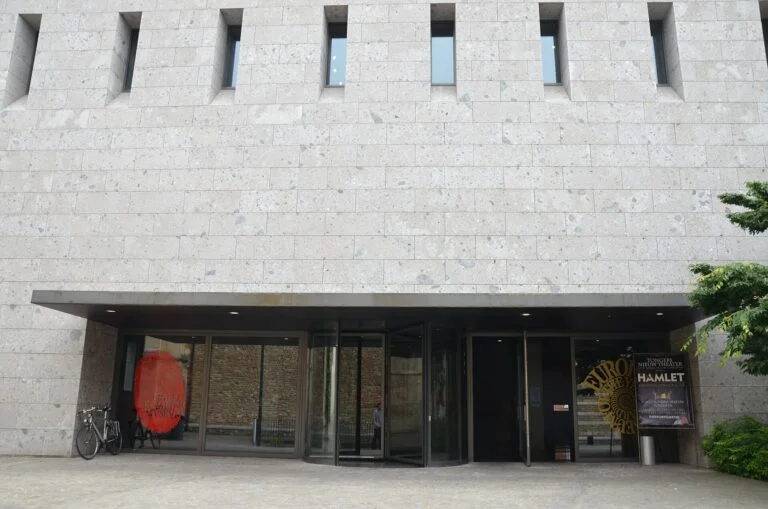
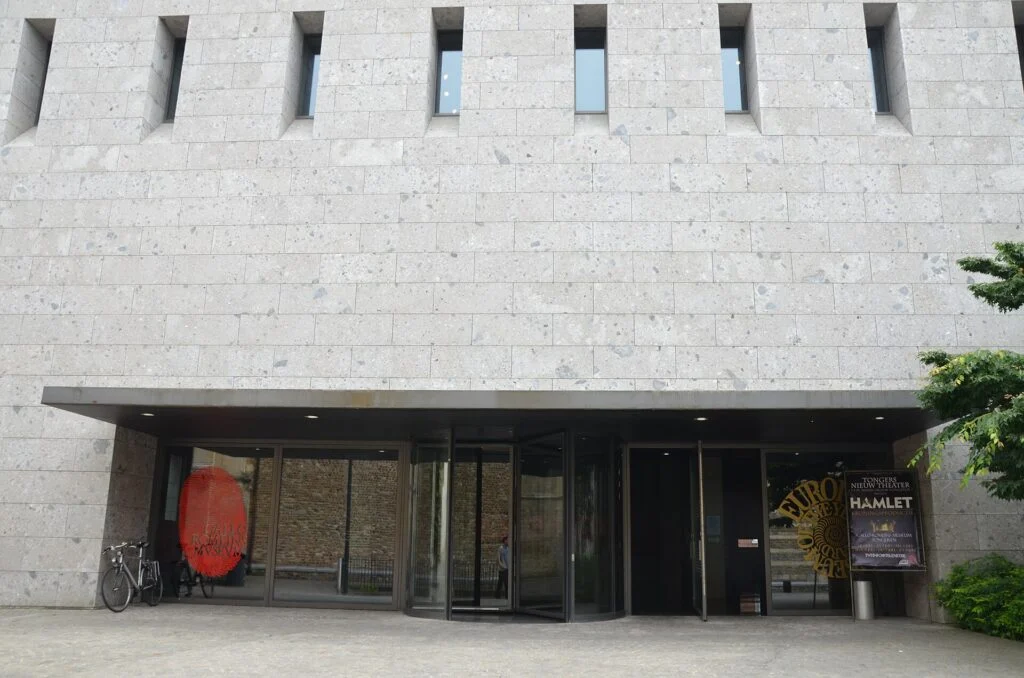
The museum is situated within Tongeren, Belgium’s oldest town, a setting itself of historical importance. The building, while modern in function, respects the town’s heritage without attempting to strictly recreate ancient architecture. It is designed to accommodate a range of exhibition types and to handle the delicate conservation requirements of ancient artifacts.
Tongeren itself is compact and walkable, allowing visitors to combine a museum visit with exploration of the town’s Roman archaeological sites, including remnants of city walls and foundations. This offers a sense of context that museum displays alone do not fully provide. The location also benefits from Tongeren’s general reputation for history and culture, though it is not a large urban center, so surrounding amenities may be modest compared to bigger cities.
The building’s layout aims to guide visitors through a chronological or thematic journey, with careful lighting and explanatory panels designed to provide accessible academic information alongside the visual display. While modern in infrastructure, the museum could feel quiet compared to busier cultural centers, which may appeal to those seeking a focused look at classical antiquity without the crowds.
Practical Information
Prospective visitors should check the museum’s official website to confirm opening hours, admission requirements, and any special conditions. Because the Gallo-Roman Museum is an archaeological institution, it may have specific rules to protect the objects, such as restrictions on photography or bag storage.
Given Tongeren’s size, arrival can be planned by train or car, but parking and public transit connections should be verified in advance. Visitors intending to explore both the museum and the historic parts of Tongeren would do well to allow a flexible schedule. There is no widespread information suggesting extensive visitor services such as cafés or large gift shops on-site, so planning accordingly is advisable.
The museum’s content is generally suited for an audience with some interest in archaeology or ancient history. The exhibition text is often detailed, which will appeal to those who enjoy a thorough understanding of the objects and their significance. However, some visitors may find parts of the display a little dense if coming without prior knowledge of Roman or Celtic contexts. Group visits or family outings will benefit from preparation, but the museum does occasionally organize thematic tours or educational activities.
Why Visit
The Gallo-Roman Museum is most appropriate for visitors focused on archaeology, classical studies, or regional history of Belgium and the Roman Empire’s frontier zones. It offers a precise look at how local populations lived, worked, and interacted with Roman administration and culture in an area that was once a Roman stronghold.
Unlike general history museums or large national institutions with broad chronological scopes, this museum concentrates on the Gallo-Roman period in a way that gives richness and specificity to what can sometimes be a few lines in standard history books. The artifacts speak directly to the ancient inhabitants of the region, which adds an intimacy and localized perspective to the study of antiquity.
Visitors interested in Roman provincial life and the complexities of cultural integration in empire contexts should find the museum rewarding. It presents a grounded representation without overstating the drama of conquest or excessive romanticism. It also supports an understanding of how archaeology informs modern identity in Tongeren and Eastern Belgium.
Its location in the oldest Belgian town adds appeal for those combining cultural tourism with archaeological interest. Visitors can appreciate how the museum’s displays correlate with the tangible and visible remains across Tongeren. However, the museum will be less suited to casual tourists looking for a light, entertainment-driven experience, or those expecting a wide-ranging survey of Roman history beyond the regional focus.
In summary, the Gallo-Roman Museum provides a carefully curated window into an important historical period in an important Belgian town. Its emphasis on archaeological material and local history offers a distinct narrative about the lives of Romans and Celts in this borderland area of the empire. Serious visitors interested in ancient history and archaeology will find substantial value here, alongside the chance to explore one of Belgium’s historically significant towns. Before planning a visit, checking the museum’s official website is recommended to confirm details and current offerings.