Grigore Antipa National Museum of Natural History Review
Natural History Museums · Bucharest, Romania. The Grigore Antipa National Museum of Natural History, located in Bucharest, Romania, holds a prominent place in the country’s cultural and scientific landscape. Named after the distinguished Romanian biologist and museologist Grigor…
Natural History Museums · Bucharest, Romania. The Grigore Antipa National Museum of Natural History, located in Bucharest, Romania, holds a prominent place in the country’s cultural and scientific landscape. Named after the distinguished Romanian biologist and museologist Grigor…
Best forFamilies, nature lovers, science travelers
Review focusNatural history collections and visitor planning
Context and Identity
The Grigore Antipa National Museum of Natural History, located in Bucharest, Romania, holds a prominent place in the country’s cultural and scientific landscape. Named after the distinguished Romanian biologist and museologist Grigore Antipa, who shaped the museum in the early 20th century, this institution serves as a repository and exhibitor of Romania’s natural heritage as well as specimens of global biodiversity. It has been part of Bucharest’s museum scene for more than a century, retaining a role that stretches beyond local boundaries into regional scientific importance.
The museum’s identity is firmly rooted in its dual function as both a scientific institution and a public educational resource. It offers a comprehensive overview of natural history in a format designed to appeal to a wide audience — from casual visitors to scholars. Positioned in the Romanian capital, it also aims to reflect national pride in natural sciences and provide a platform for understanding the biological richness of its own territory in an international context.
Inside the Collection
Visitors can expect a detailed showcase of natural history through a variety of collected specimens that span multiple disciplines: zoology, paleontology, mineralogy, anthropology, and botany. The collection comprises thousands of objects, many originating from Romanian environments, alongside internationally sourced materials. This geographic and taxonomic spread allows the museum to cover local fauna and geology while situating those within the broader universe of natural history.
One of the museum’s particular strengths lies in its zoological exhibits, with taxidermy displays of mammals, birds, and reptiles that depict both native and exotic species. These are notable not only for their quantity but also for the historical dimension they represent, reflecting scientific collecting practices from various periods. Fossils and minerals are presented in dedicated sections, addressing topics from deep time to Earth’s physical composition.
Despite its extensive array, the collection occasionally shows the tension between older, formal display traditions and modern interpretive strategies. Some sections retain a cabinet-of-curiosities feel, with densely packed cases and labels that may be more technical than approachable for the general public. However, this preserves a sense of authenticity and provides valuable documentation for specialists and natural historians.
Architecture and Display
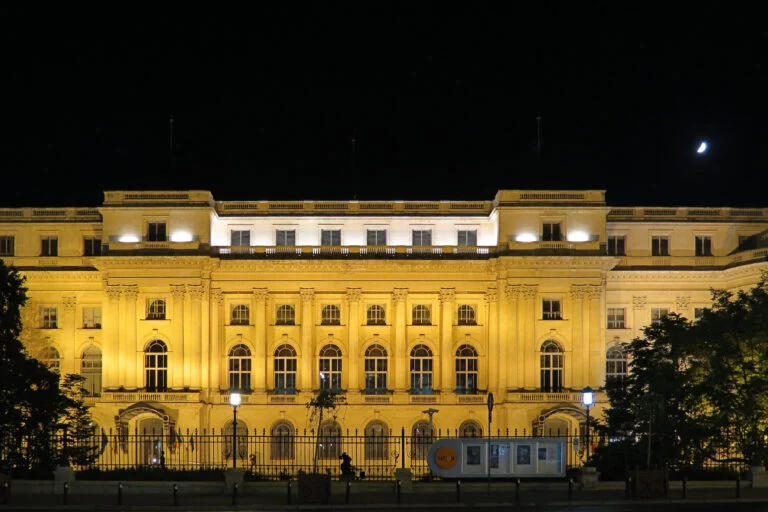
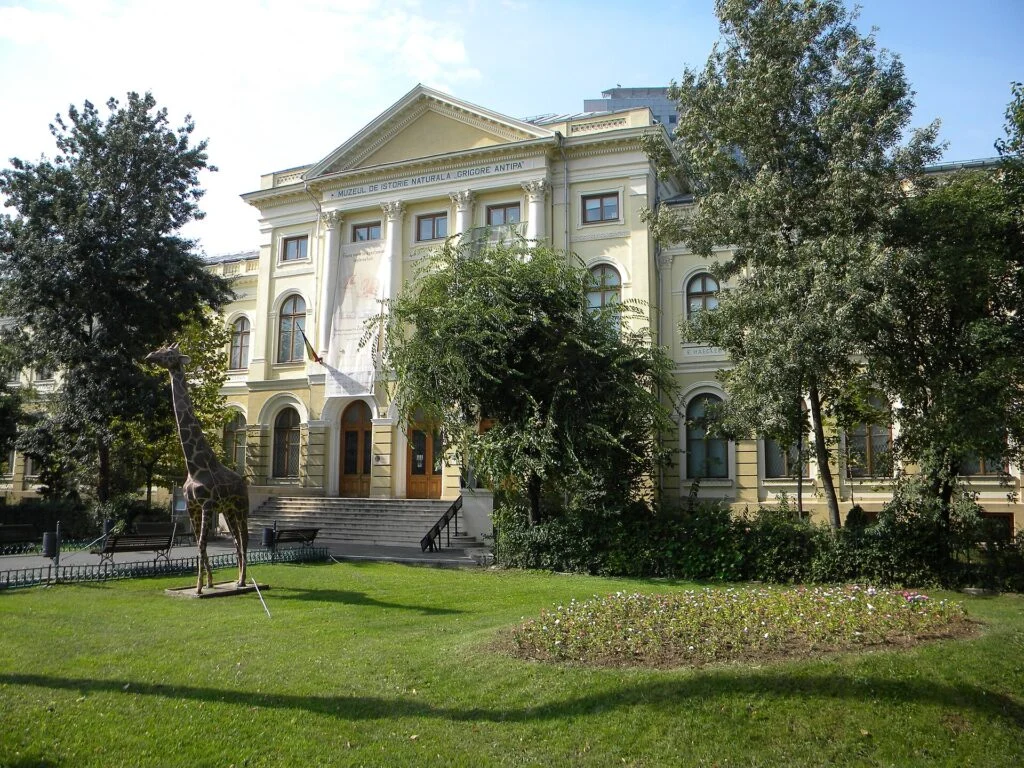
The museum is housed in a building originally constructed in the early 1900s that reflects both classical and functional architectural elements. The interior spaces are arranged to facilitate a chronological and thematic progression through the natural sciences. The layout is straightforward but practical, with rooms devoted to particular specimen types or scientific themes.
Exhibition presentation tends toward the traditional style, relying heavily on glass cases and mounted specimens rather than interactive or multimedia installations. This can be an advantage for visitors who prefer to engage directly with real objects rather than digital reproductions or simulations. However, the reliance on older display methods means interpretive texts must work harder to communicate relevance, which can sometimes limit accessibility for those unfamiliar with biological terminology.
Lighting and signage are generally adequate but inconsistent in some areas, with potential for improvement in wayfinding and visitor orientation. The museum’s atmosphere is calm, scholarly, and slightly formal, which suits visitors with an interest in studied observation but may feel less dynamic for those expecting more contemporary exhibition techniques.
For Families, Specialists, and First-Time Visitors
The Grigore Antipa Museum offers something for a broad spectrum of visitors, though the experience will differ according to visitor expectations and interests. Families with children may appreciate the diversity of species displayed and the chance to learn about animals and natural history in a hands-on way, although the lack of widespread interactive features or dedicated children’s activity zones means young visitors might need parental guidance or prior preparation to stay engaged.
For specialists — particularly biologists, paleontologists, and natural history educators — the museum provides important reference material and access to well-preserved specimens not always readily available elsewhere in Eastern Europe. Its historical collections offer a window into earlier scientific expeditions and Romanian biodiversity research.
First-time visitors to natural history museums will find the Grigore Antipa offers an introductory yet occasionally challenging experience. Without extensive visitor aids, newcomers might find navigating the exhibits a bit daunting. The presence of detailed labels with scientific names and classifications enriches the experience for those with a prior understanding of natural sciences, but more general or casual visitors might need to take a slower pace and seek additional explanations elsewhere.
What Works Best
The museum excels when it comes to the breadth and authenticity of its collection. Displaying specimens with historical context tied to Romanian natural environments gives the institution a distinct sense of place and scientific mission. Visitors interested in zoology and paleontology gain particular value from the exhibits, which offer concrete examples of regional biodiversity as well as global samples.
The preservation of traditional display techniques, while perhaps dated in some aspects, can be advantageous for those who prefer to engage with physical specimens without the distraction of digital interfaces. This approach also serves to maintain the museum’s character as a research institution, reinforcing its role beyond pure public entertainment.
In addition, the museum’s serene environment allows for careful, contemplative study. For those with patience and curiosity about natural history, it can be a rewarding experience to investigate the details of the collections at a measured pace.
Practical Considerations
Since details concerning operational aspects such as admission fees, current opening hours, guided tours, audio guides, and on-site facilities like parking or cafés are not universally confirmed, prospective visitors should consult the official museum website before planning their visit. This precaution is especially relevant for those traveling from abroad or on limited schedules.
The museum’s location in Bucharest makes it accessible from many parts of the city, but visitor flow may vary depending on the season or time of day. Some popular sections can become crowded during weekends or holidays, potentially affecting pace and quality of experience. Visitors interested in photography should verify the museum’s policy beforehand, as rules on flash or tripods can differ.
On a practical level, the museum’s traditional architectural layout means some circulation spaces might feel narrow or constrained compared to modern museum buildings. Climate control and lighting are appropriate but not uniform throughout, with some exhibition areas better lit and ventilated than others.
Families should consider that while younger visitors may find the collection fascinating, the museum does not emphasize interactive engagement or play spaces, so pacing and prior introduction can help keep children interested.
Verdict
The Grigore Antipa National Museum of Natural History in Bucharest stands as a solid institution dedicated to preserving and presenting Romania’s natural world alongside broader natural history specimens. Its core strengths lie in the depth and authenticity of its collections, particularly in zoology and paleontology, and its role as a scientific resource that has historically contributed to the study of biodiversity in Eastern Europe.
The museum’s traditional approach to display preserves a sense of historical continuity and offers unmediated contact with specimens, appealing especially to visitors with some prior knowledge or special interest in natural history. However, this can pose a challenge for casual visitors or those unfamiliar with scientific jargon, as the interpretive components may sometimes be too technical or sparse.
Families with children should be prepared for a more observational experience rather than overtly interactive or entertainment-oriented programming. First-time visitors might need extra time or external background information to fully appreciate the content.
Architecturally and organizationally, the museum is functional and suit ably arranged but does not incorporate many of the contemporary museum design trends that enhance accessibility and visitor engagement. Its atmosphere is calm and reflective, suitable for those seeking a focused, scholarly museum visit rather than a fast-paced, multimedia exhibition.
In summary, the Grigore Antipa Museum offers a substantive natural history experience with clear educational value, though visitors might benefit from managing expectations regarding interpretive support and interactivity. Its position as Romania’s principal natural history museum ensures its continued relevance, but future enhancements focusing on visitor engagement and accessibility could broaden its appeal further. Prospective guests should check the museum’s official communication channels to confirm current visitor arrangements before planning a trip.