Latvian Ethnographic Open-Air Museum Review
Ethnographic Museums · Riga, Latvia. The Latvian Ethnographic Open-Air Museum, situated on the outskirts of Riga, presents a distinctly focused exploration of Latvia’s rural heritage. It is a museum shaped by an explicit mission: to document, preserve, and interpret…
Ethnographic Museums · Riga, Latvia. The Latvian Ethnographic Open-Air Museum, situated on the outskirts of Riga, presents a distinctly focused exploration of Latvia’s rural heritage. It is a museum shaped by an explicit mission: to document, preserve, and interpret…
Best forMuseum lovers, culture travelers, first-time visitors
Review focusCollections, visitor experience, and practical planning
A Museum with a Clear Point of View
The Latvian Ethnographic Open-Air Museum, situated on the outskirts of Riga, presents a distinctly focused exploration of Latvia’s rural heritage. It is a museum shaped by an explicit mission: to document, preserve, and interpret the traditional rural life of Latvia through authentic buildings and cultural artifacts. Open-air museums occupy a specific niche in the museum landscape, and in this case, the approach is relatively straightforward rather than scholarly or abstract. It offers a spatial rather than a purely textual encounter with Latvia’s rural past. The museum’s point of view is thus practical and documentary—it aims to preserve tangible heritage that might otherwise have been lost amid rapid modernization over the past century.
This clear perspective directs the museum’s narrative toward the everyday, the domestic, and the agricultural aspects of traditional Latvian life. It is a story about how rural communities lived, worked, and endured through changing times, especially before industrial farming and urbanization transformed Latvia’s social landscape. The museum’s appeal depends largely on this focus. It is not an ethnographic museum in the sense of presenting artifacts from diverse global cultures, but rather a carefully curated window on Latvia itself.
What Defines the Collection
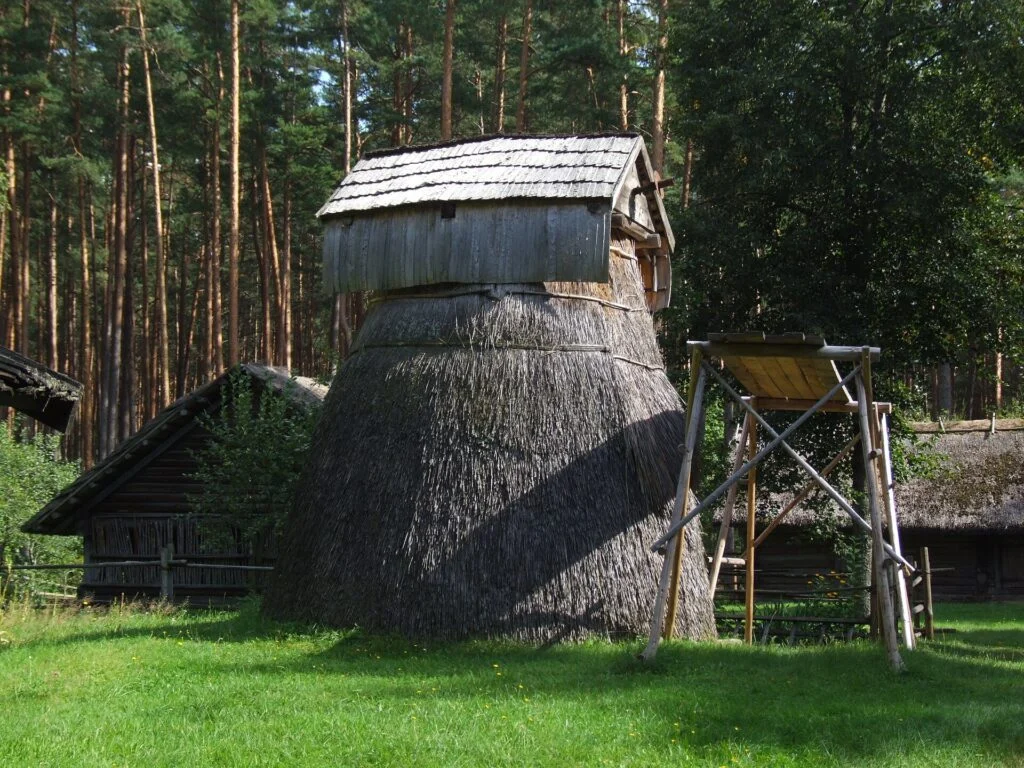
The heart of the museum lies in its extensive collection of original rural buildings, relocated from across the Latvian countryside. This assortment includes farmhouses, windmills, barns, dairies, and various outbuildings, representative of several ethnographic regions such as Kurzeme, Vidzeme, Latgale, and Zemgale. These structures are not recreations or replicas; they are authentic historic buildings painstakingly dismantled, transported, and reassembled at the open-air site to maintain architectural integrity. Through this, the museum offers visitors an object-based connection to the past, making it possible to see and sometimes enter buildings that once served specific community and household functions.
In addition to the built environment, the museum preserves a wealth of tools, household items, textiles, and agricultural implements. These objects complement the buildings by illustrating daily tasks such as spinning, weaving, bread baking, and farming. The collection extends to barns and granaries that reflect the ongoing relationship between people and their environment, emphasizing seasonality and subsistence farming traditions.
The regional diversity within the collection is an important feature. Since Latvia comprises distinct cultural sub-regions with varied traditions, the museum’s layout is organized to showcase these differences. This provides some sense of the country’s ethnographic complexity rather than presenting a single, homogenized rural identity. It also helps visitors appreciate the variety of local materials, construction techniques, and decorative styles employed by Latvian peasants.
Standout Galleries and Themes
The open-air museum’s strength is in its outdoor galleries of relocated buildings rather than indoor exhibitions or galleries in a conventional sense. The site is divided into sections representing different vernacular traditions, where thematic threads emerge naturally through the arrangement of buildings and their contextual displays.
One dominant theme is the relationship between human beings and the natural landscape. The buildings themselves are testimony to a rural lifestyle integrated with forests, fields, rivers, and meadows. Windmills, watermills, and bee-keeping houses—part of the complex rural economy—draw attention to traditional energy sources and small-scale production. The museum does not shy away from illustrating how this economy was labor-intensive and heavily reliant on seasonal cycles.
Another recurring theme concerns domestic life, particularly the gendered division of labor. Exhibits include domestic interiors furnished in traditional style, displaying tools for spinning flax and wool and household utensils. These intimate spaces give some sense of family life, social hierarchy within villages, and seasonal customs, including folk art and clothing styles.
Folk festivals and communal customs are also touched upon, although these are often realized through periodic cultural events rather than permanent displays. The museum attempts to highlight the social and ritual calendar of rural Latvia, recognizing that cultural expression was integral to community cohesion.
Pacing, Interpretation, and Atmosphere
Given the nature of the site, pacing is flexible but requires a certain amount of sustained walking and outdoor navigation. The buildings are spread over a considerable area near the shores of Lake Jugla, creating a mixed experience of ease and exertion depending on visitor stamina and weather. The museum encourages a measured, outdoor exploration that allows visitors to appreciate the spatial relationships between buildings typical of a village or farmstead.
Interpretative materials include bilingual signage—Latvian and English—that provides background on individual structures and the object collections within. These texts are informative but tend to be factual summaries rather than deeply analytical. The museum refrains from excessive didacticism, which may appeal to visitors seeking straightforward cultural context without academic density.
Atmospherically, the site conveys a quiet, rural charm. The presence of gardens and historical farming tools adds to a sense of connection with the cycles of rural life. However, the outdoor environment means the ambiance can vary dramatically with the season and weather. Winter visits bring a different character, with the potential for snow-covered roofs and a quieter mood, while summer offers greenery and sometimes live demonstrations of traditional crafts.
Strengths and Limitations
Among the museum’s strengths is its comprehensive and regionally nuanced architectural collection. It excels in showing how rural Latvian culture was materially expressed and varied across different parts of the country. The authenticity of the relocated buildings is a critical asset, helping the museum avoid generic recreations.
The open-air nature ensures a distinctive museum experience that is less about curated display cases and more about spatial and tactile engagement. For visitors who value cultural heritage as lived space, this approach is rewarding.
On the other hand, the museum’s reliance on an outdoor format poses challenges. Inclement weather can limit comfort and enjoyment. Additionally, the scattered layout may be difficult for some visitors, especially those with mobility concerns. The interpretive strategy, while clear, may feel limited for those expecting deeper analysis or multimedia engagement. The museum does not, from available information, emphasize interactive technology or multilayered storytelling, which might restrict its appeal for younger audiences or those who prefer more dynamic exhibition styles.
Moreover, the focus on traditional rural life means that the museum offers little coverage of urban, industrial, or contemporary Latvian culture. Visitors seeking to understand Latvia’s broader social history or recent transformations should temper expectations accordingly.
Before You Go
Potential visitors should consult the museum’s official website for current details on opening hours, admission policies, guided tours, and any cultural events that may be scheduled during their visit. Since the museum’s open-air setting means weather will influence the experience, checking local forecasts and planning suitable attire is advisable.
Access to the museum typically involves some travel from central Riga, and visitors should prepare for the walking distance across the site. For those with limited mobility, inquiries about accessibility services would be prudent in advance. The museum’s bilingual signage suggests an effort to accommodate international visitors, but potential guests with specific needs may wish to verify what interpretive aids are available on site.
Final Assessment
The Latvian Ethnographic Open-Air Museum stands as a specialized institution dedicated to preserving and presenting Latvia’s rural cultural heritage through authentic historic buildings and traditional crafts. Its clear mission and robust collection offer an insightful, if selective, portrait of the country’s past agricultural life and community structures.
For visitors interested primarily in ethnography, folk architecture, or rural history, the museum offers tangible connections rarely found elsewhere in the region. Its approach is straightforward and practical, emphasizing authentic material culture rather than abstract interpretation. This makes it particularly suited to those who appreciate the direct experience of historical spaces and simple, factual context.
However, the museum’s outdoor format demands attention to weather and physical pacing, which might limit its appeal for certain audiences. Similarly, the interpretive materials, while adequate, do not delve deeply into theoretical or contemporary cultural analysis. The museum also does not address Latvia’s non-rural histories, which confines the scope to a narrower cultural focus.
In sum, the Latvian Ethnographic Open-Air Museum fulfills its core mission effectively but should be viewed as a specialized institution best appreciated by visitors with interest in rural heritage rather than a generalist introduction to Latvian culture. Prospective visitors are advised to prepare practically for an outdoor experience and to set expectations accordingly. With these considerations, the museum can be rewarding for those seeking a tangible and regionally nuanced encounter with Latvia’s ethnographic past.