Museo de Altamira Review
Santillana del Mar, Spain. The Museo de Altamira, located in the town of Santillana del Mar on Spain’s northern coast, is a specialized institution that revolves around one of the most significant prehistoric discoveries in Europe: the cave…
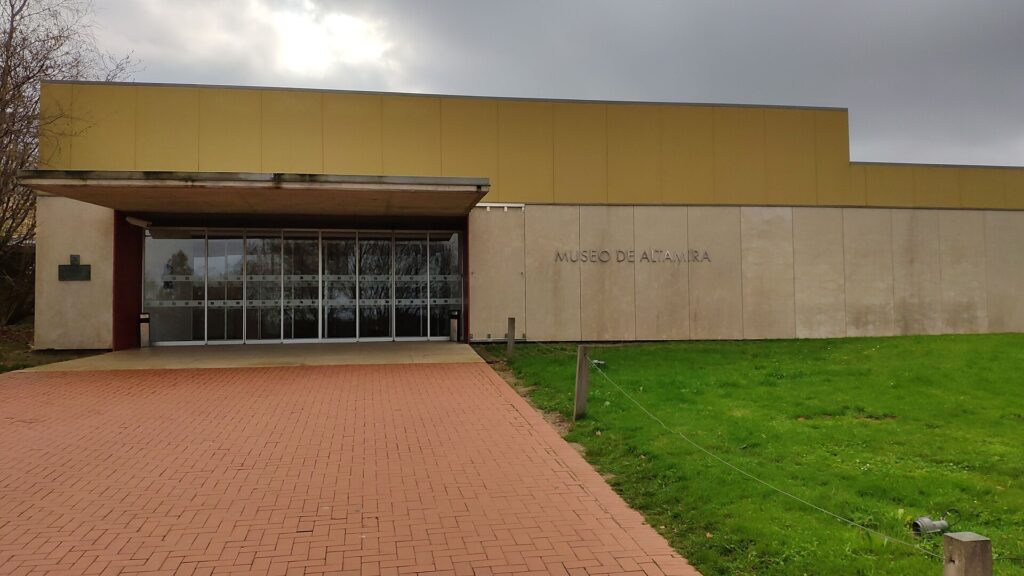
Santillana del Mar, Spain. The Museo de Altamira, located in the town of Santillana del Mar on Spain’s northern coast, is a specialized institution that revolves around one of the most significant prehistoric discoveries in Europe: the cave…
Best forMuseum lovers, culture travelers, first-time visitors
Review focusCollections, visitor experience, and practical planning
A Museum with a Clear Point of View
The Museo de Altamira, located in the town of Santillana del Mar on Spain’s northern coast, is a specialized institution that revolves around one of the most significant prehistoric discoveries in Europe: the cave paintings of Altamira. Rather than attempting a broad survey of prehistoric art or Paleolithic culture, this museum is focused almost exclusively on the Altamira caves and their artistic, archaeological, and scientific importance. This clear focus distinguishes it from many larger, more generalized museums where prehistoric material might share space with other periods and themes.
The museum aims primarily to present the original cave paintings’ artistry and to situate these works within their cultural and temporal frameworks. It also serves as an educational center about the processes of discovery, conservation, and the ongoing research that affects how visitors understand the origins of human creativity. Its identity is thus firmly anchored in a narrative about human origins, prehistoric art, and scientific heritage, rather than a broad, cross-disciplinary approach.
What Defines the Collection
The Museo de Altamira does not house the original cave paintings themselves, which remain within the natural site and are closed to the public for preservation reasons. Instead, the collection comprises replicas, archaeological finds, and interpretive materials that collectively tell the story of the caves and their prehistoric occupants. The reproductions—particularly the full-size replica cave created nearby—are central to the museum’s mission, providing an accessible way for visitors to appreciate the scale and detail of the original art.
Alongside the visual reproductions are archaeological artifacts excavated from the Altamira site and surrounding areas. These include tools, bone fragments, and other material culture that provide insight into the daily lives and environment of the Magdalenian peoples who created the paintings some 36,000 years ago. The museum’s holdings are carefully chosen to support the story of Altamira as a scientific, artistic, and cultural landmark instead of presenting a general archaeological survey.
Standout Galleries and Themes
The galleries are arranged to take visitors on a chronological and thematic journey that starts with the discovery of the caves in the late 19th century and moves backwards in time to explore prehistoric life and artistry. Early sections focus heavily on the excavation process, the controversies that surrounded the authenticity of the paintings when first discovered, and the evolving techniques used to study and preserve the caves.
A highlight of the museum visit is the detailed explanation of the cave paintings themselves. The displays emphasize the depictions of bison, deer, and horses rendered in charcoal and ochre, explaining both their technical execution and possible symbolic meanings. This section benefits from high-quality photographic reproductions and interactive displays that illuminate the artistic methods and motifs.
The museum also touches on broader themes such as early human cognition, the role of art in prehistoric life, and the relationship between environment and culture during the Upper Paleolithic. However, in a conscientious way, it avoids over-speculation or grandiose conclusions about prehistoric culture, sticking closely to scientifically supported interpretations.
Pacing, Interpretation, and Atmosphere
Given the museum’s focused remit, its pacing tends toward a steady, deliberate cadence. The space and sequence are designed to encourage thoughtful engagement with a subject that cannot be viewed in situ. Visitors are invited to pause at multimedia stations and replicas to gain a deeper understanding, rather than simply rushing from one object to the next.
Interpretation is clear and avoids jargon, with panels and digital content aimed at both informed adults and younger visitors who have an interest in archaeology or natural history. It manages a balance between conciseness and depth, supporting those new to the topic without feeling patronizing to seasoned visitors.
The atmosphere in the museum is somewhat restrained, punctuated by dim lighting and muted colors intended to evoke the cave environment. This tasteful visual strategy helps convey the solemnity and rarity of the original cavern, though it may feel understated to those expecting more dramatic or theatrical presentation styles often found in contemporary museums.
Strengths and Limitations
One of the museum’s greatest strengths is its dedication to scholarly rigor combined with accessibility. By focusing exclusively on Altamira, it offers a detailed, nuanced narrative about one of the foundational sites for understanding human artistic origins. The quality and scale of the cave replica nearby also add considerable value for those who want to experience the art’s physical context without visiting the fragile original caves.
The limitations are tied to this specialized nature. Visitors looking for a comprehensive overview of prehistoric Europe or broader archaeological themes will find the Museo de Altamira relatively narrow in scope. It lacks a wider array of comparative exhibits that might situate the Altamira paintings within a global prehistoric art framework.
In addition, because the collection is heavily based on replicas and archaeological recovered objects rather than original masterpieces on display, some visitors may feel the experience is less visceral or immediate than a museum that can show authentic artifacts. Those who prefer dynamic, interactive experiences or more contemporary exhibition techniques might find the museum’s atmosphere subdued.
Before You Go
Anyone planning a visit should consult the museum’s official website for the latest information on opening hours, admission requirements, and any special access considerations. The museum operates in a small town setting, which means that while it is approachable from major nearby cities, travel arrangements should be planned accordingly. Given its specialized content, visitors might benefit from allocating time not only to the museum itself but also to the nearby replica cave, which together provide a fuller experience.
It is advisable to consider the visitor’s own level of interest in prehistoric archaeology and early art. Those with at least a moderate curiosity about the origins of human artistic expression will likely find the Museo de Altamira rewarding. Families with older children and school groups interested in history might also find educational value. However, it may be less appealing to casual tourists or visitors with broader cultural interests unless paired with other local attractions.
Final Assessment
The Museo de Altamira stands as a focused, carefully curated institution dedicated to the excavation, study, and presentation of one of Europe’s most important prehistoric sites. Its strength lies in presenting a detailed and factual account of the Altamira cave paintings and the archaeological context surrounding them, combined with faithful reproductions that facilitate meaningful engagement.
While the museum’s narrow subject matter limits its appeal to a specialized audience, it succeeds admirably in what it sets out to do: provide a clear and coherent narrative about the intersection of prehistoric art, science, and conservation. Visitors should approach this museum aware that it offers an in-depth look at a specific cultural treasure rather than a broad survey of prehistoric art. When paired with a visit to the replica cave and the town of Santillana del Mar, it contributes significantly to understanding a key chapter in human creativity and archaeological practice.
For those interested in the origins of artistic expression or the challenges of preserving fragile cultural heritage, the Museo de Altamira offers a measured and informative experience. Its thoughtful interpretation and modest yet effective atmosphere encourage reflection on the lasting legacy of the Altamira painters. Prospective visitors seeking a richly detailed exploration of this unique archaeological phenomenon will find much to consider here, even if the museum’s restrained presentation requires a willingness to engage intellectually rather than simply visually.