Museo de Altamira
Santillana del Mar, Spain. The Museo de Altamira is an archaeological museum located in Santillana del Mar, a small town in northern Spain. It centers on one of the most significant prehistoric sites in Europe—the Altamira cave complex,…
Best forMuseum lovers, culture travelers, first-time visitors
Setting / nearbySantillana del Mar, Spain
Overview
The Museo de Altamira is an archaeological museum located in Santillana del Mar, a small town in northern Spain. It centers on one of the most significant prehistoric sites in Europe—the Altamira cave complex, famous for its Upper Paleolithic cave paintings. These artworks, created around 36,000 years ago, include vivid depictions of bison, deer, horses, and other animals, offering a rare window into the creativity and life of hunter-gatherer societies.
Although public access to the original Altamira cave is strictly limited to protect the fragile paintings, the Museo de Altamira serves as the primary center for study and public education regarding the cave and its archaeological context. It offers visitors comprehensive insight into the discovery, interpretation, and conservation of Paleolithic art, along with broader information about the people who created it and their environment during the Ice Age.
Collection Highlights
At the heart of the museum’s collection is a detailed full-scale replica of the Altamira cave ceiling and paintings, allowing visitors to experience the artwork’s scale, colors, and brushwork without compromising the original site’s preservation. The replica replicates the contours and textures of the cave walls, making it possible to appreciate the artistic techniques used tens of thousands of years ago.
Beyond the replica, the museum presents a rich selection of archaeological artifacts excavated from the Altamira site and the surrounding region. This includes tools, bone fragments, and other cultural remains from the Magdalenian period, helping to contextualize the lifestyle and technological capabilities of its creators. Objects on display highlight the development of human symbolic expression and reflect the transition from purely survival-oriented existence to one enriched by art and ritual.
Several interpretive panels and multimedia presentations assist visitors in understanding the archaeological methods used to uncover and study the cave paintings. The museum explores scientific fields such as geology, paleontology, and chemistry, which have contributed to dating the paintings and uncovering the environment in which these early humans lived.
Additionally, the Museo de Altamira discusses the modern history of the cave’s discovery in the late 19th and early 20th centuries and the subsequent challenges related to conserving and protecting the delicate artworks. This aspect helps visitors appreciate the intersection of scientific research and heritage conservation.
Building and Setting
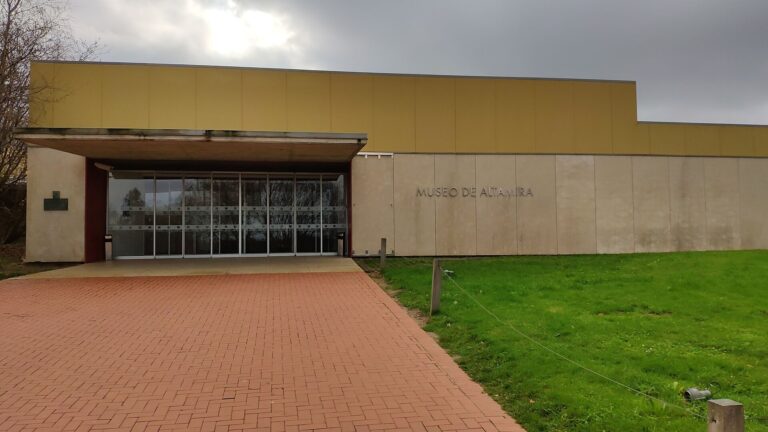
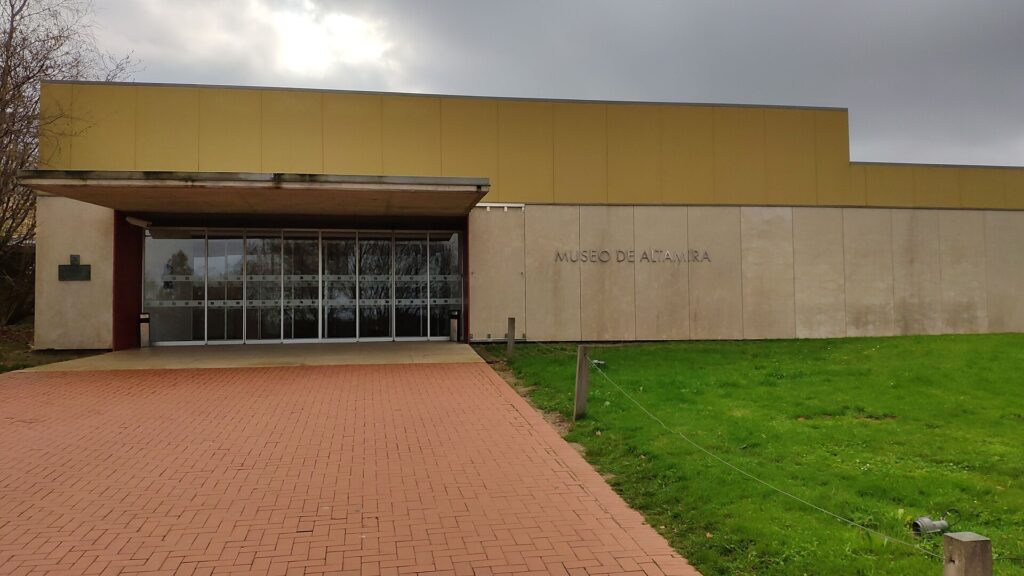
Situated near the actual cave site but separated to preserve the original paintings, the museum is set within a structure designed to accommodate the replicated cave and archaeological displays. The building itself is practical and focused on exhibition space rather than architectural flourish, reflecting its primary goal: education and preservation.
Santillana del Mar, the museum’s home town, is a historic settlement known for its well-preserved medieval architecture and cobblestone streets. While the town draws visitors intrigued by its historical character, the museum remains a distinct destination focused on Paleolithic prehistory. The surrounding landscape of Cantabria includes lush valleys and rolling hills that resemble, albeit in a modern, less harsh form, the landscapes inhabited by the Ice Age humans.
Visitors should be aware that the original cave site is a restricted area, accessible only to researchers or under highly controlled conditions. The museum effectively bridges this gap by offering scientific context and an accessible way to engage with the site’s legacy.
Practical Information
Those planning a visit to the Museo de Altamira should check its official website for the latest details on opening hours, admission policies, and any COVID-19 related restrictions or requirements. The availability of guided tours, audio guides, or educational programs may vary, and specific information should be confirmed in advance.
The museum's location in Santillana del Mar is reachable by regional transport options, though travelers may need to plan transfers or local taxis depending on their starting point. Visitors should also prepare for a compact town center with cobbled streets, which might influence mobility choices.
Although the museum is relatively specialized, it aims to be accessible to a broad audience, including families, students, and anyone interested in early human history. Facilities for visitors with reduced mobility and other accessibility features should be checked prior to arrival.
Why Visit
Visiting the Museo de Altamira offers a focused opportunity to learn about Paleolithic art beyond the generic “prehistory” narrative. The cave paintings represented here remain among the earliest and most detailed examples of figurative art known globally, illuminating early human cultural expression in ways few other sites can.
The museum functions both as a preservation tool and as an educational resource, making it valuable for visitors who appreciate scientific context and archaeological methodology alongside the artifacts themselves. For those curious about how early humans related to their environment and expressed themselves visually, the museum offers an instructive and tangible experience.
Its setting in Santillana del Mar adds a layer of cultural depth, as visitors can explore a medieval town with a distinct character, contrasting the Ice Age world displayed inside the museum. However, those expecting to enter the original cave will need to adjust their expectations, as access is heavily restricted due to conservation concerns.
In summary, Museo de Altamira is a specialized archaeological museum suited for individuals interested in prehistoric art and human origins. Its careful presentation helps balance the challenges of protecting fragile heritage with the desire to engage the public. Visitors prepared for a thoughtful, quiet experience will likely find it both enlightening and memorable.