Bibliotheca Alexandrina Antiquities Museum
Alexandria, Egypt. The Bibliotheca Alexandrina Antiquities Museum is a museum dedicated to archaeological artifacts, situated in Alexandria, Egypt. It forms part of the larger Bibliotheca Alexandrina complex, which is built near the supposed location of the…
Best forMuseum lovers, culture travelers, first-time visitors
Setting / nearbyAlexandria, Egypt
Overview
The Bibliotheca Alexandrina Antiquities Museum is a museum dedicated to archaeological artifacts, situated in Alexandria, Egypt. It forms part of the larger Bibliotheca Alexandrina complex, which is built near the supposed location of the ancient Library of Alexandria. This institution focuses on showcasing the region’s material culture, presenting visitors with a glimpse into Egypt’s ancient past through a diverse collection of antiquities. The museum presents objects primarily linked to Alexandria’s own historical development, spanning various civilizations that influenced the city over centuries, including Pharaonic, Greek, Roman, and Byzantine periods.
As an archaeological museum, its role is to preserve and interpret artifacts that have been excavated or recovered from the Alexandria area and adjacent Mediterranean sites. While Alexandria is perhaps best known for its intellectual heritage in antiquity, through thinkers like Hypatia and the famous ancient library, this museum offers a tangible connection to the physical remnants of the city’s long history. It helps contextualize Alexandria not only as a center of learning but also as a cosmopolitan Mediterranean port with layered cultural influences.
Collection Highlights
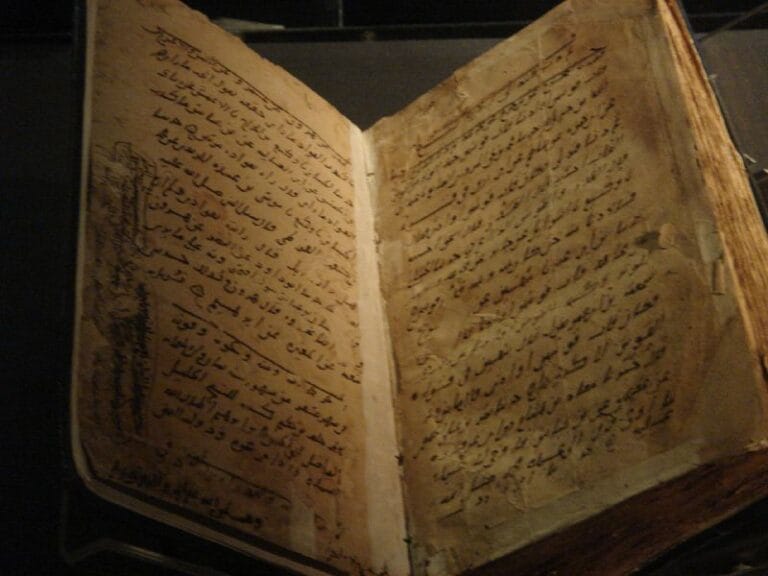
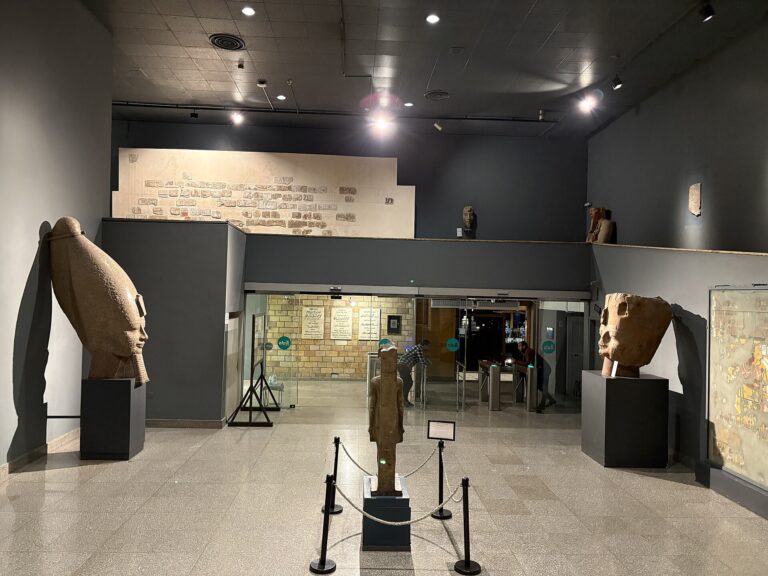
The Antiquities Museum houses a range of objects that illustrate Alexandria’s archaeological richness, with selected displays emphasizing different phases of the city’s continuity and change. Visitors are likely to encounter stone blocks, statues, inscriptions, pottery, jewelry, coins, and small everyday items recovered from local digs. These items collectively narrate the cultural exchanges and economic activities that shaped Alexandria.
Among the collection, one can expect to see notable examples of Greco-Roman sculpture and funerary art. These highlight how Alexandria reflected broader Mediterranean artistic styles while also retaining elements of Egyptian tradition. Some statues represent notable figures or deities, though without the grand scale of some better-known Egyptian monuments. The museum also contains Egyptian artifacts predating the Hellenistic period, including funerary and religious objects, yet these are often presented in a context that connects them to the city’s evolving identity.
Inscribed artifacts, such as stelae and tablets, reveal aspects of daily life and governance, occasionally shedding light on Alexandria’s administration and interaction with the imperial authorities in Roman times. Coins on display provide evidence of economic exchange and the city’s role as a hub in Mediterranean trade routes. Additionally, visitors may find examples of decorative objects and pottery that illustrate both local production and imported goods, a reflection of Alexandria’s position as an ancient port city.
The museum’s collection, while meaningful, is not vast in comparison with some larger archaeological museums in Egypt. Its strength lies in its focus on regional context and the layering of cultures that defined Alexandria, rather than in covering broad Egyptian antiquity in comprehensive detail.
Building and Setting
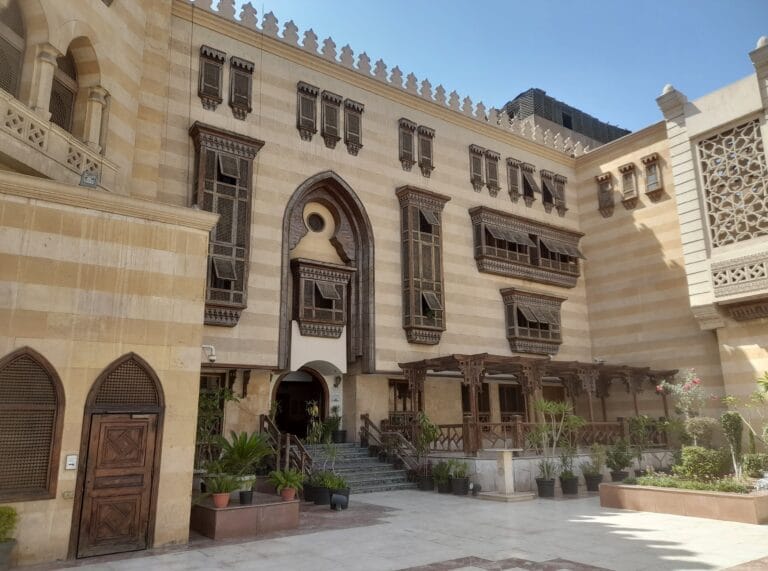
The museum is housed within the modern Bibliotheca Alexandrina complex, a prominent cultural and educational center in contemporary Alexandria. The building itself is notable for its distinctive contemporary architecture, designed to evoke aspects of knowledge preservation and enlightenment. The Antiquities Museum occupies gallery space within this broader institution, which also contains a large library, various specialized museums, and exhibition spaces.
Located on or near the Mediterranean coast, the site of the library and museum complex situates visitors close to the historic core of Alexandria. The immediate setting combines the bustling urban environment of this modern city with views and proximity to the sea, a feature inherent to Alexandria’s development historically as a major port.
The museum’s design allows it to integrate archaeological displays within a contemporary cultural venue. This gives visitors both a sense of continuity with ancient Alexandria’s intellectual heritage and access to modern museum amenities. However, being part of a larger complex, the Antiquities Museum’s identity can sometimes feel secondary to the main Library itself, which attracts greater attention due to its symbolic significance and various public programs.
Practical Information
Details such as current opening hours, admission fees, discounts, and the availability of guided tours or audio guides should be verified directly on the museum’s official website or through up-to-date local sources before planning a visit. Conditions can change depending on season, local events, or operational decisions.
Visitors should be prepared that the museum, while well curated, may not offer the extensive visitor services or large exhibition spaces found in some more established standalone archaeological museums. The flow through galleries tends to be straightforward, which helps in seeing key pieces without overwhelming.
Since the museum is part of a large cultural complex, visitors interested in combining their visit with other parts of the Bibliotheca Alexandrina should also check the various sites’ individual access guidelines and opening conditions. The urban location means public transport options and local amenities are generally reachable, though personal planning remains necessary.
Why Visit
For those interested in Alexandria’s particular archaeological and cultural heritage, this museum offers a focused look at the city’s ancient material world in a setting that connects to the broader goals of preserving knowledge and history. It presents valuable insights into how Alexandria functioned as a multicultural Mediterranean city over time, emphasizing continuity alongside change.
The museum might suit visitors who already have some interest in Egyptian history but wish to deepen their understanding of Alexandria as a distinct entity in Egypt’s past. Its collections illuminate the day-to-day life, religious practices, and artistic expression within this historically important port city.
While it does not rival the scale or fame of larger Egyptian institutions centered on pharaonic antiquities, the Bibliotheca Alexandrina Antiquities Museum occupies a niche that underscores Alexandria’s layered legacy from various eras. For a visit to Alexandria itself, it represents a reasonable complement to exploring the city’s historic neighborhoods, ancient ruins nearby, and the Mediterranean landscape that shaped its identity.
In short, this museum is a practical choice for those seeking both archaeological insight and a degree of historical narrative rooted in Alexandria, especially as part of a wider engagement with the Bibliotheca Alexandrina complex. Planning in advance is advisable to ensure the visit aligns well with individual expectations given the museum’s specialized focus and integrated setting.