Alaska State Museum Review
Juneau, United States. The Alaska State Museum in Juneau serves as the official repository for the history, culture, and art of Alaska. Established in 1967, its formation reflects a mid-20th-century effort to gather and preserve the diverse…
Juneau, United States. The Alaska State Museum in Juneau serves as the official repository for the history, culture, and art of Alaska. Established in 1967, its formation reflects a mid-20th-century effort to gather and preserve the diverse…
Best forMuseum lovers, culture travelers, first-time visitors
Review focusCollections, visitor experience, and practical planning
Historical Context
The Alaska State Museum in Juneau serves as the official repository for the history, culture, and art of Alaska. Established in 1967, its formation reflects a mid-20th-century effort to gather and preserve the diverse heritage of a state with a complex past and unique geographical character. The museum operates under the Alaska Department of Education and Early Development, highlighting its emphasis on educational outreach and cultural preservation within the state. Alaska’s historical narratives encompass indigenous cultures, Russian colonial influence, American expansion, natural resource development, and modern statehood. The museum aims to navigate these multifaceted stories through its collection and exhibitions.
Originally housed in a smaller facility, the museum moved to a new building in 2016, located near the Juneau-Douglas Bridge overlooking the Gastineau Channel. This transition was part of a broader initiative to provide enhanced exhibition space and better resources for conservation, research, and education. The museum now manages a significant collection that includes archaeological artifacts, historical documents, ethnographic objects, and contemporary art related to Alaska’s indigenous peoples and settler communities. By focusing largely on Alaskan perspectives, the institution seeks to contextualize both cultural continuity and change in one of the United States’ most geographically remote regions.
What You See on Arrival
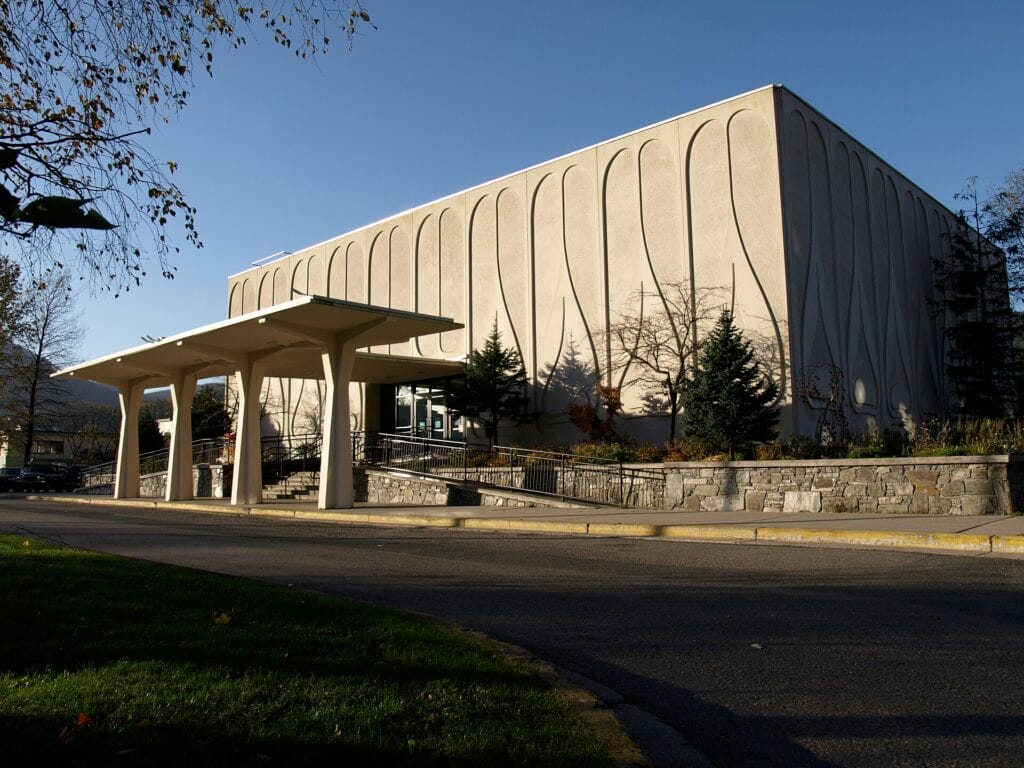
The Alaska State Museum’s setting near central Juneau ties it to both the city’s governmental heart and the region’s natural environment. Visitors approaching the museum encounter a modern building designed with large windows and clean lines suited to its coastal location. Its façade avoids excessive ornamentation, communicating pragmatism rather than grandeur — an architectural reflection of Alaska’s rugged, understated character. Outside, signage clearly identifies the institution. The immediate environment includes walkways and open sightlines to the surrounding landscape, linking the museum physically and symbolically to the state’s wilderness and maritime heritage.
Inside, the initial spaces introduce visitors to the museum’s dual role as a collector of cultural artifacts and a site for public education. Entrance areas are typically arranged to orient visitors to the main exhibition paths and amenities. Given its position as a state museum, the institution projects an authoritative voice on Alaskan history without sacrificing accessibility. However, the layout and entrance experience do not strive for theatrical wow factor, instead emphasizing clear navigability and straightforward reception. This approach aligns with the museum’s function as a reliable resource for regional identity rather than an entertainment venue.
Highlights and Key Exhibitions
As the principal cultural institution dedicated to Alaska’s heritage, the museum’s core strength lies in its permanent collections spanning multiple thematic areas. One major focus is indigenous culture. The museum holds extensive artifacts from Alaska Native groups such as the Tlingit, Haida, Tsimshian, Inupiaq, Yup’ik, and Aleut peoples. These include carved totem poles, traditional clothing and regalia, tools, ceremonial objects, and fine crafts such as beadwork and basketry. The objects are often presented within contexts that explain their cultural significance, craftsmanship, and ongoing relevance within native communities. Attention to oral histories and indigenous voices informs the interpretive material, though the degree to which native contributors shape exhibitions varies.
Another principal collection section covers Alaska’s Russian period, from the late 18th century up to the transfer of sovereignty in 1867. Objects such as religious icons, imported goods, and historical documents illustrate this era and its impact on settlement patterns and indigenous relations. This part of the museum situates Alaska’s history within a wider international framework, albeit with a primary focus on local effects.
Additionally, the museum showcases the state’s economic and social development during American rule, incorporating materials related to mining, fishing, military history, and the Alaskan gold rush era. Photographs, personal accounts, machinery, and everyday items provide glimpses into the lives of settlers and workers who shaped the state’s modern identity. This material often highlights Alaska’s transition from frontier territory to organized statehood.
Natural history is not the museum’s central domain but features complement the anthropological and historical content. Displays may include elements reflecting Alaska’s landscape, wildlife, and environment to help situate human activity within its geographical context.
On the artistic front, the museum has gathered works by Alaskan artists that range from traditional native designs to contemporary painting and sculpture. These artistic expressions bridge historical and current understandings of Alaskan identity and cultural experience. The permanent exhibitions make clear that art and craftsmanship are integral to Alaska’s story.
The museum also preserves archival holdings significant for researchers, including manuscripts, maps, and government records. Though not always visible in public galleries, these collections serve as a foundation for ongoing study and exhibitions.
Visitor Experience
The Alaska State Museum presents a largely traditional museum experience attentive to the needs of a broad audience that includes locals, tourists, researchers, and school groups. Its interpretive signage uses clear language and provides detailed explanations without overwhelming the reader, aiming for accessibility across age groups and backgrounds. The museum’s textual and visual interpretation balances object description with historical context, which helps visitors grasp the deeper meanings behind the displays.
Pacing within the museum tends to be deliberate rather than frenetic, reflecting the contemplative nature of the subject matter. Exhibits are spaced to allow thoughtful engagement with the artifact groups. For visitors with a focused interest in Alaska Native cultures or state history, the museum delivers substantive content that rewards attentive reading and observation. However, those expecting dynamic multimedia presentations or interactive elements might find the experience more reserved. The museum prioritizes authenticity and cautious stewardship over spectacle, which suits its educational mission but may feel subdued to some.
Given Juneau’s relatively small size and isolated location, the museum caters to visitors who are motivated to learn about Alaska’s distinctiveness beyond surface-level attraction. It functions as a cultural anchor in the city and contributes to community identity through programs and collaborations with native organizations. Still, its specialized content and quietly formal presentation might not engage all casual visitors equally.
The museum’s design supports a straightforward flow from one thematic section to another, though signage inside could be more prominent at decision points to further aid visitor navigation. Some modern museums provide multiple narrative strands or layered storytelling, while this institution follows a more linear, chronological and cultural grouping format.
Tickets, Access, and Planning
Information available for public planning indicates that prospective visitors should refer to the Alaska State Museum’s official website or contact directly for current details on admissions, hours, and available services. Since institution policies and local regulations can vary seasonally or in response to circumstances, confirming updated information prior to a visit is prudent.
The museum is located near the downtown core of Juneau, which is pedestrian friendly but offers limited vehicular infrastructure given the city’s geography. Access may require some planning related to local transportation options. Visitors arriving via cruise ships or other regional travel means should assess transport logistics and timing around museum visiting hours.
Because the Alaska State Museum serves a regional and often academically engaged public, it may feature educational programs, special exhibitions, and occasional events. Information about guided tours, audio guides, or accessibility accommodations is best obtained directly from the museum. Given the relatively recent building and state governance, it is reasonable to expect some level of public accessibility, but specifics should be confirmed in advance.
Visitors should come prepared to allocate adequate time for the museum’s often dense displays. The presentation style, with its emphasis on detailed interpretation and artifact quality, favors measured exploration over quick walkthroughs.
Final Verdict
The Alaska State Museum stands as a focused cultural institution dedicated to presenting Alaska’s complex heritage through well-curated artifact collections and interpretive context. Its strengths are especially evident in the depth of its Alaska Native cultural holdings and the careful historical curation of the state’s Russian and American periods. The museum’s straightforward, no-frills architectural and exhibition style aligns with its mission to educate and preserve rather than entertain. This makes it particularly suited for visitors seeking serious engagement with Alaska’s history, culture, and art.
While the museum may not appeal to those looking for high-tech interactives or highly theatrical museum environments, it offers a reliable and well-founded narrative about a region that is often misunderstood or superficially portrayed. The restrained and coherent presentation provides a solid foundation for understanding the multiple layers that compose Alaska’s identity. The institution’s links to community and native organizations enhance its credibility, though visitors should be aware that exhibitions emphasize a factual over a performative approach.
Practical planning requires consulting official communication for the latest logistical details. The museum’s situation in the administrative center of Alaska means it plays a vital role for both local audiences and visitors willing to deepen their understanding of a state that occupies a distinct place in American history and geography. As such, the Alaska State Museum represents a valuable cultural resource with a sober, thoughtful approach to one of the country’s most distinctive regions.