Alaska State Museum
Juneau, United States. The Alaska State Museum in Juneau serves as the official state museum of Alaska, dedicated to collecting, preserving, and interpreting the cultural and natural history of the region. This institution functions as a state…
Best forMuseum lovers, culture travelers, first-time visitors
Setting / nearbyJuneau, United States
Overview
The Alaska State Museum in Juneau serves as the official state museum of Alaska, dedicated to collecting, preserving, and interpreting the cultural and natural history of the region. This institution functions as a state history museum and cultural center. Its role extends beyond mere display; it acts as a repository of artifacts that shed light on Alaska’s diverse indigenous peoples, its complex historical development, and the unique environment of the area. For those interested in the story of Alaska—from its early indigenous traditions through Russian colonial influence, the American purchase, and statehood—the museum offers a focused examination grounded in local history.
The museum operates under the state’s historical division, presenting both visual and textual narratives that connect visitors to the state’s heritage. Its approach balances archaeological materials, ethnographic objects, natural history specimens, and historic documents and photographs. This breadth situates the museum as a place for both general visitors and researchers interested in Alaska’s past. It is not an art museum, though Alaska Native art forms appear within the cultural displays. Nor is it a natural history museum only, given its substantial human history content. The Alaska State Museum is best understood as a cultural history museum with a multidisciplinary collection reflecting the state’s natural environment, indigenous peoples, and historical periods.
Collection Highlights
The museum has an extensive collection centered on Alaska Native cultures, reflecting the heritage of the Tlingit, Haida, Tsimshian, Inupiaq, Yupik, Athabaskan, and Aleut peoples, among others. Traditional clothing, tools, household items, ceremonial artifacts, and works of art are key elements. Visitors can expect to encounter objects that illustrate daily life as well as spiritual beliefs and social structures of indigenous communities. These include carved wooden figures, elaborate regalia, masks, and woven or beaded items. Such pieces offer insights into cultural practices that remain important today, while also reflecting historic traditions.
Another core segment of the collection centers on Alaska’s historical trajectory since European contact. Russian colonial artifacts, gold rush memorabilia, artifacts from early government operations, and items related to Alaska’s industries such as fishing and mining contribute to the narrative. The museum’s examination extends to the American period, including Alaska’s path to statehood and the transformations that followed. While the exhibits are often thematic rather than chronological, visitors can piece together a sense of continuity and change over time.
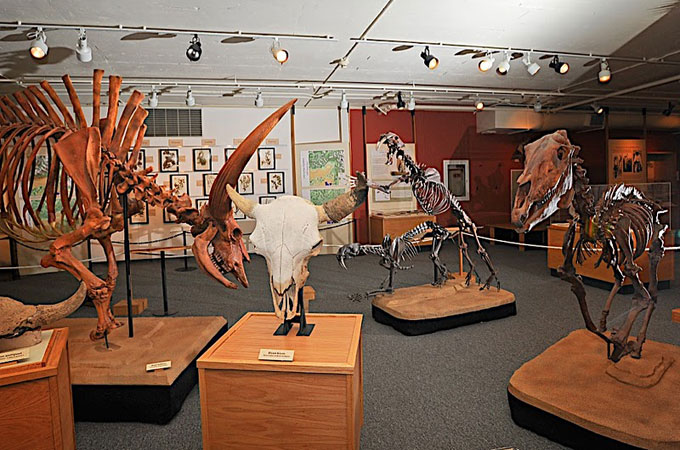
Natural history materials provide context for the environment in which Alaska’s peoples live. Specimens and displays on native flora and fauna complement the cultural exhibits. This blending of cultural and natural history reflects the intertwined nature of human life and the Alaskan landscape.
Throughout, the museum employs photographs, archival documents, and audio-visual materials to augment the display objects. This multimedia approach offers additional layers of understanding and helps situate artifacts within broader stories. While not every item in the collection is on permanent display, the rotating selections provide a varied experience for repeat visitors or those with specific research interests.
Building and Setting
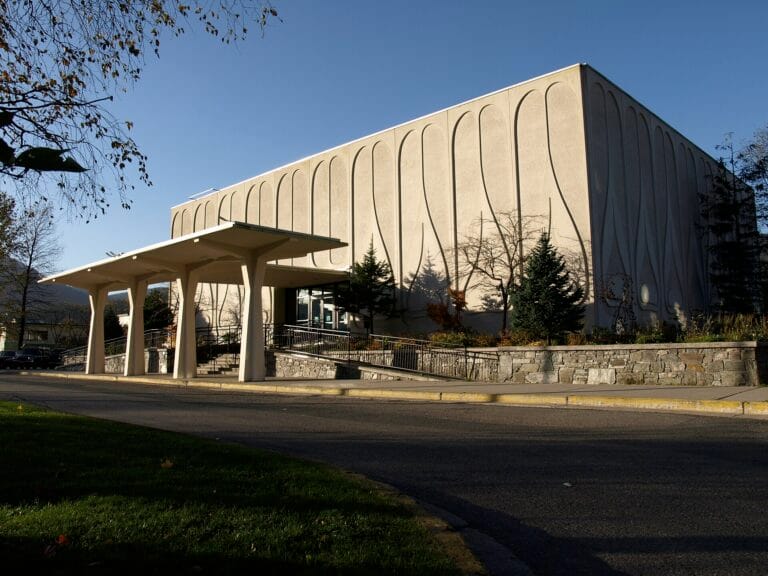
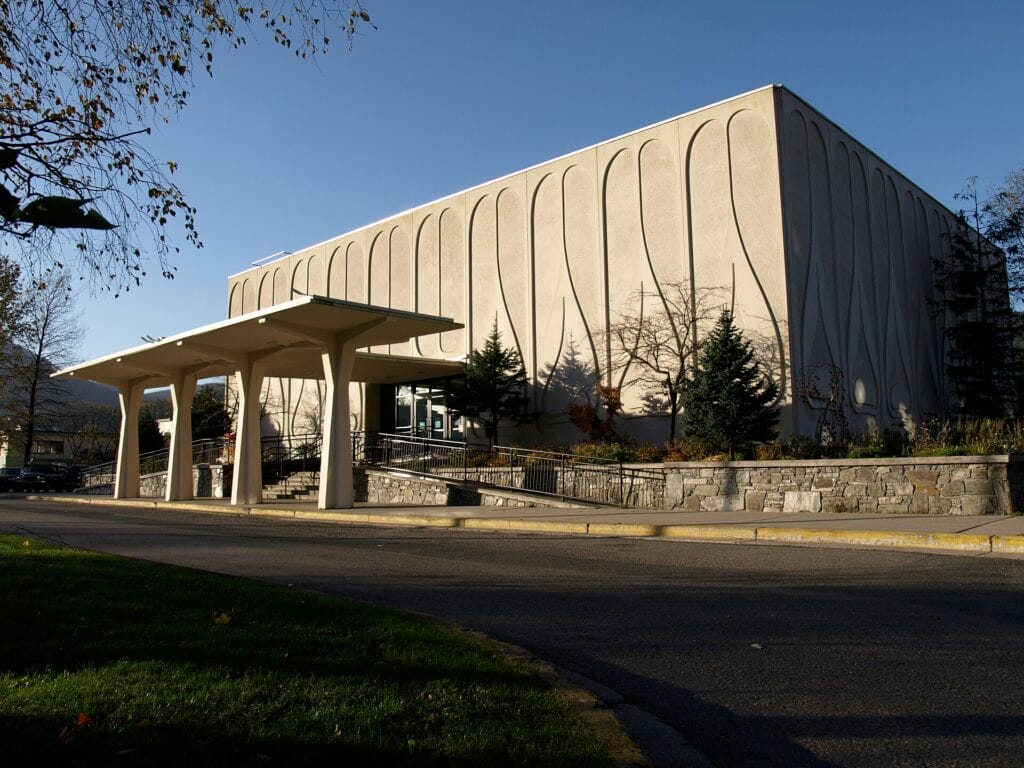
The Alaska State Museum occupies a modern facility in downtown Juneau, the state capital. The building’s design and organization facilitate clear visitor circulation and accessibility. Exhibition spaces are arranged across several galleries configured to accommodate both permanent and temporary exhibits. The architectural style focuses on functionality and the ability to provide appropriate environmental controls to safeguard the collections.
Juneau itself is situated in a scenic environment, framed by coastal mountains and waterways. The museum’s central city location allows convenient access for residents and tourists. While the building lacks extensive outdoor gardens or trails, its urban setting provides proximity to other cultural institutions and government buildings. Visitors can combine a visit here with explorations of the downtown area, although the museum experience is primarily interior focused.
Practical Information
Before planning a visit, prospective guests should consult the museum’s official website or contact its staff directly for the most current and detailed information regarding hours of operation, ticketing, admission fees, and any special accommodations. The museum’s policies on group visits or school tours may also be clarified through official channels.
The museum’s interior typically allows for self-guided visits. Some temporary exhibitions or special events may involve specific dates or advance reservations, so it is wise to check in advance, especially during peak tourist seasons or for particular programs.
Visitors interested in particular subject areas or conducting research will want to inquire about the availability of reference materials, archival access, or educational programming. The museum staff may offer assistance or suggest related institutions and resources within Alaska.
Why Visit
For those drawn to Alaska’s unique cultural and historical landscape, the Alaska State Museum offers a focused and grounded experience. It can be especially engaging for visitors who wish to deepen their understanding beyond the surface of common tourist narratives about the state’s wilderness or gold rush past. The museum situates these well-known themes within a broader context of indigenous presence and adaptation, colonial encounters, and modern statehood.
The collections provide a tangible connection to the cultures that have shaped Alaska for centuries. This makes it a meaningful stop for anyone interested in anthropology, history, or regional studies. The ethnographic objects especially shed light on living traditions, which helps to counter simplistic notions of “museum artifacts” as purely obsolete curiosities. Instead, the museum frames them as expressions of ongoing cultural identities.
Its downtown presence in Juneau makes the museum accessible to those staying in the city for government, business, or tourism reasons. While Juneau’s somewhat remote location means access usually involves travel by air or ferry, the museum contributes to a fuller picture of what Alaska represents beyond its natural spectacles.
On the other hand, visitors primarily seeking large-scale archaeological displays, comprehensive natural history specimens, or fine art collections might find more specialized institutions elsewhere in Alaska better match their interests. The museum’s scope is broad but focused around history and cultural interpretation rather than scientific or artistic specialties.
In summary, the Alaska State Museum stands as an informative cultural history museum with solid collections that document the state’s indigenous heritage and historical development. Its presentations eschew grandiosity in favor of patient storytelling and respectful preservation. In this way, it serves both Alaskans and visitors as a valuable resource for appreciating the state’s complex and layered identity.
Readers considering a visit should confirm practical details through official sources to plan their experience thoughtfully. Those open to engaging with local narratives and histories will find the Alaska State Museum a worthwhile place to explore Alaska’s past and present in a carefully curated, accessible setting.