Bahrain Fort Museum
Manama, Bahrain. The Bahrain Fort Museum offers a focused archaeological experience dedicated to the site of Bahrain Fort, locally known as Qal'at al-Bahrain. This museum is set near the remains of the fort itself, one of…
Best forMuseum lovers, culture travelers, first-time visitors
Setting / nearbyManama, Bahrain
Overview
The Bahrain Fort Museum offers a focused archaeological experience dedicated to the site of Bahrain Fort, locally known as Qal'at al-Bahrain. This museum is set near the remains of the fort itself, one of Bahrain’s most significant historic locations with layers of occupation spanning from the Bronze Age through to the Islamic period. It serves primarily as an archaeological museum with an emphasis on the site's long history as a cultural and trade hub, reflecting Bahrain’s strategic position in the Persian Gulf.
While the fort itself is a prominent feature in Bahrain’s heritage, the museum contextualises its importance by presenting artefacts excavated from the area, along with interpretive displays that explain the development of the fort and the adjoining settlement over millennia. The Bahrain Fort Museum therefore appeals to visitors with an interest in archaeology, ancient history, and the Gulf’s pre-modern era.
Collection Highlights
The museum’s collection includes a range of artifacts uncovered through extensive excavations on the fort’s site and surrounding areas. Visitors can expect to see pottery shards, tools, jewelry, and everyday items that illustrate the lives of the different peoples who inhabited the site.
Significant emphasis is placed on items related to the Dilmun civilisation, an ancient trading culture historically linked to Bahrain and dated roughly to the third millennium BCE. Finds such as seals, stamped ceramics, and ornamental objects highlight this early culture’s commercial links as well as their craftsmanship.
Additionally, the museum presents objects from later historical phases, including the Islamic period. Some displays spotlight the changes in material culture and architectural techniques that occurred over time, helping visitors understand the fort’s long-term evolution from a defensive and administrative centre into a heritage symbol.
The displays usually combine recovered artefacts with photographs, plans, and explanatory panels. These aim to illustrate both daily life and broader social-historical themes about trade, power, and cultural exchange in the Gulf.
Building and Setting
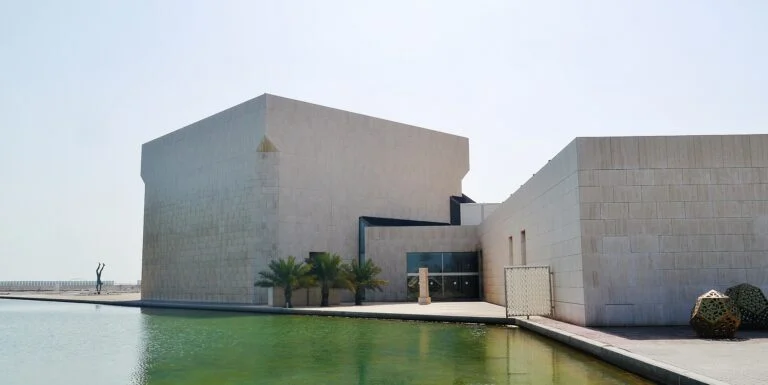
The museum itself lies close to Bahrain Fort, which is on a small hill by the coast near the modern city of Manama. The fort’s ruins are visible through the museum’s windows or can be visited in conjunction with the museum, making the site one of archaeological interest set in a coastal environment.
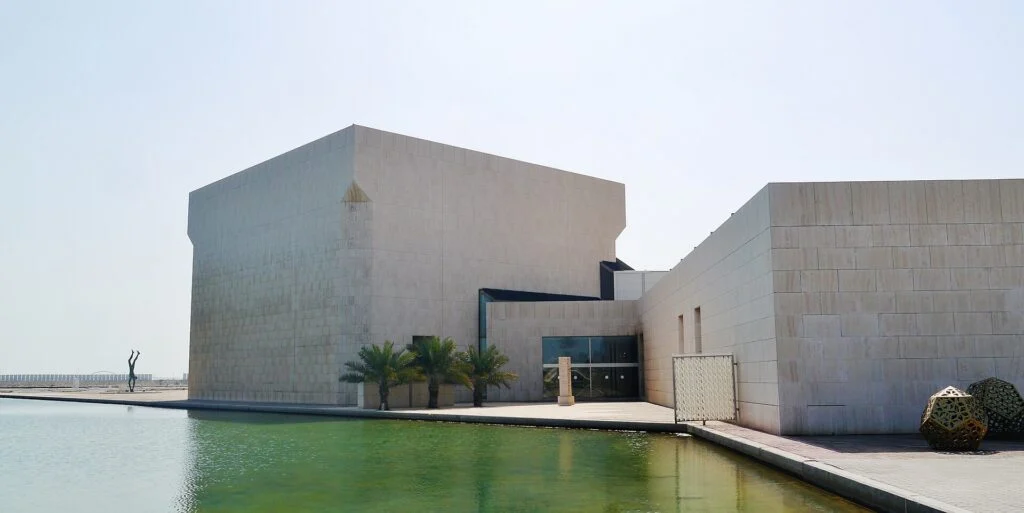
The museum building is relatively modest and functional, intended primarily as a space to display excavated finds and offer educational information rather than to impress through architecture. This straightforward approach supports its role as a site museum complementing the visible ruins nearby.
Its location just outside Manama allows for access from the city and surroundings but visitors should plan for transportation accordingly, as it is not located in the city centre. The setting by the Gulf adds a pleasant contextual dimension, connecting the visitor with the historical maritime links of Bahrain.
Practical Information
Details about entry requirements, admission fees, opening hours, and visitor services are best confirmed directly with the museum via its official channels. The Bahrain Fort Museum’s official website and any currently available online resources can provide up-to-date information on this.
Tour availability, educational programs, and guided visits may vary depending on the season, staffing, or special events. Visitors interested in a detailed exploration of the site’s history might check if audio guides or printed materials are offered, as these can enhance understanding of the displays.
While the museum exhibits key archaeological finds, the overall size of the collection on display is moderate, reflecting the museum’s role as a site museum focused on this particular location rather than a large-scale national institution. Visitors might consider combining a visit here with a tour of the fort ruins themselves to gain a fuller appreciation.
Why Visit
Choosing to visit the Bahrain Fort Museum suits those keen on archaeology and the early history of the Arabian Gulf region. The museum presents artefacts in a well-organized manner that highlights Bahrain’s role once at the centre of trade and cultural exchange in antiquity.
It can be particularly rewarding for visitors who want to understand the context behind Bahrain Fort’s ruins, rather than encountering the site purely as an architectural or tourist landmark. The museum’s exhibits link the physical remains with human stories, touching on ancient commercial networks, evolving settlement patterns, and the cultural layers that shaped Bahrain’s identity.
The museum’s modest scale means visits will likely be concise and focused. It may not provide broad coverage of Bahrain’s full history or cultural heritage beyond the fort and its archaeological context. Those seeking a wider overview of Bahraini history might look for complementary experiences elsewhere.
Overall, the Bahrain Fort Museum offers an informative and grounded look at a site of genuine archaeological significance. Its focus on material culture and site interpretation fills an important niche for visitors interested in how the region’s ancient past connects to real places and objects. Checking current visitor information beforehand is advisable to ensure the experience matches expectations and visit planning.