Glasmuseet Ebeltoft Review
Ebeltoft, Denmark. Glasmuseet Ebeltoft is situated in the small coastal town of Ebeltoft, Denmark, and holds a unique position in the Nordic art scene as a museum dedicated entirely to contemporary glass art. Established in 1985,…
Ebeltoft, Denmark. Glasmuseet Ebeltoft is situated in the small coastal town of Ebeltoft, Denmark, and holds a unique position in the Nordic art scene as a museum dedicated entirely to contemporary glass art. Established in 1985,…
Best forMuseum lovers, culture travelers, first-time visitors
Review focusCollections, visitor experience, and practical planning
Historical Context
Glasmuseet Ebeltoft is situated in the small coastal town of Ebeltoft, Denmark, and holds a unique position in the Nordic art scene as a museum dedicated entirely to contemporary glass art. Established in 1985, the museum emerged during a period when the art glass movement gained international momentum, particularly in Scandinavia and North America. Its founding responded to a growing interest in glass not just as a functional material but as a medium for artistic expression, blurring the boundaries between craft, design, and fine art. The museum’s creation reflected Denmark’s wider engagement with both craft traditions and modern art, aiming to carve out a national and international platform for contemporary glass artists.
Over the decades, Glasmuseet Ebeltoft has built a specialized collection and program that highlights the innovation and variety in contemporary glass practice. It has played a significant role in showcasing cutting-edge works while also providing historical context to the medium’s development since the mid-20th century. Unlike larger institutions with more generalized art holdings, this museum concentrates on a medium that is less familiar to many visitors, offering insights into both technical skill and artistic conceptualization. Its location in Ebeltoft, away from Denmark’s major urban centers, reflects a commitment to cultural decentralization and regional cultural life, though this positioning also shapes its visitor demographics and accessibility.
What You See on Arrival
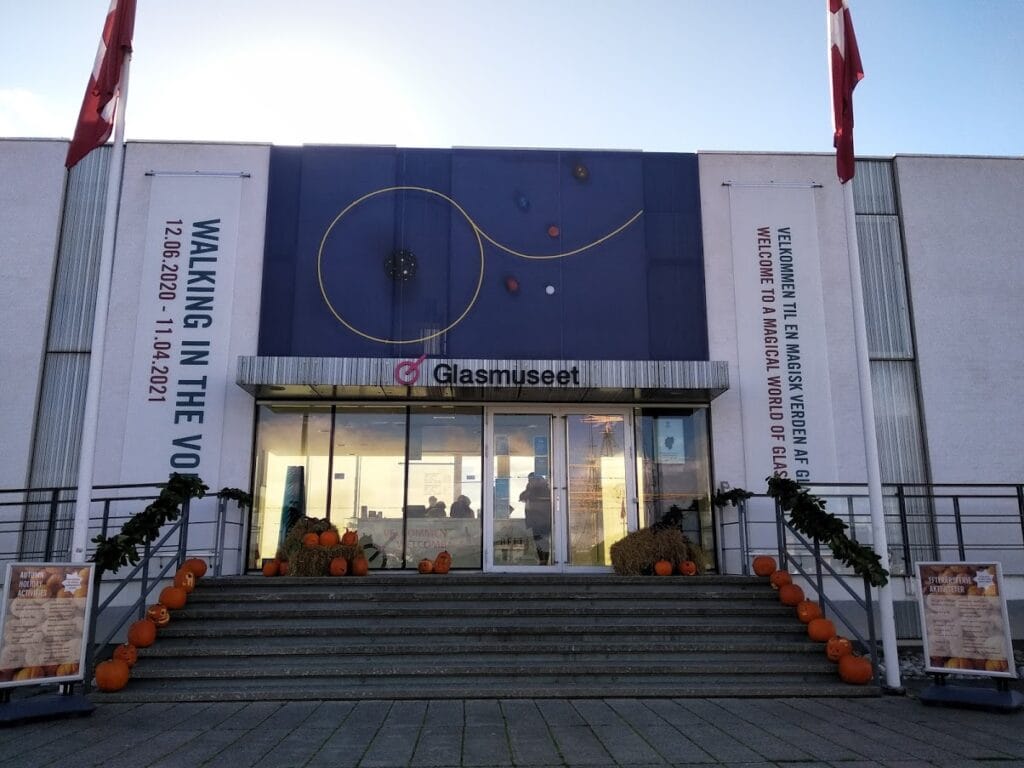
Approaching Glasmuseet Ebeltoft, visitors encounter a building that signals its artistic focus without grandiosity. The architecture is contemporary but understated, in keeping with the museum’s reputation for a focused and specialized collection. The museum occupies a bespoke space tailored to the display of glass art, with careful use of natural light and interior volume designed to complement the material qualities of glass—transparency, reflection, and luminosity.
This initial encounter frames the museum as a place of calm contemplation rather than high-energy spectacle. The scale of the museum allows for an intimate viewing experience that avoids the overwhelming expansiveness of larger institutions. The exterior does not dominate the town’s rural coastal environment, which may contribute to a quieter visitor approach but also requires a deliberate effort to reach it. The museum’s identity is clearly expressed through its clear visual signposting and branding, making the thematic focus on glass immediately evident.
Inside, visitors are likely to observe thoughtfully planned display cases and open gallery spaces. The layout encourages visitors to focus closely on objects, facilitating an appreciation of detail, craftsmanship, and the subtle play of light on surfaces. There is no apparent attempt to distract with excessive multimedia or interactivity, fitting for an institution centered on tactile and visual materials. The entrance area likely includes basic visitor amenities and information points, though these are generally modest rather than expansive.
Highlights and Key Exhibitions
Glasmuseet Ebeltoft’s core strength lies in its collection of modern and contemporary glass art, spanning several decades and highlighting the evolution of glass as an artistic medium. The museum houses works by pioneering figures in the studio glass movement, which began in the mid-20th century with artists demanding greater creative freedom and individuality in glass production, moving away from purely industrial or decorative uses.
Significant pieces in the collection illustrate different approaches to working with glass—from traditional blowing techniques to experimental and mixed-media forms. This range allows visitors to understand glass not only as a material with technical challenges but as a medium capable of rich symbolic and narrative content. The collection includes functional art objects, sculptural installations, and pieces that challenge the boundaries of what constitutes glass art.
One of the defining features of the museum is its ability to display works from both Danish artists and international practitioners. Danish contributions are prominent, reflecting the country’s strong glass tradition, but the museum also situates these within a global context. This international scope broadens the visitor’s understanding and reveals dialogues between artists from different countries working with similar materials and themes.
Visitors can expect to see pieces that engage with issues beyond form and craft, incorporating questions of identity, nature, technology, and history as expressed through glass. These thematic explorations are not rigidly boxed but emerge organically from the diversity of the collection. The museum’s permanent displays thus offer a narrative of glass art’s ongoing relevance and innovation over the past 50 to 70 years.
The museum also regularly refreshes its exhibition program, bringing in works from contemporary artists who reflect current trends and innovations in the medium. While specific temporary exhibitions vary, their presence underscores the institution’s commitment to remaining relevant and dynamic within a narrowly focused artistic field.
Visitor Experience
The visitor experience at Glasmuseet Ebeltoft is likely characterized by a contemplative pace suited to the detailed and often delicate artworks on display. The relatively small size of the museum means visitors are unlikely to feel rushed or overwhelmed. There is room to engage closely with individual pieces, which often demand this kind of attention due to glass’s optical properties and the technical intricacies of each work.
The museum’s interpretive materials aim to support understanding without encroaching on direct sensory appreciation. Labels and signage tend to provide essentials such as artist names, dates, techniques, and brief contextual notes. This approach respects visitors who come with varying degrees of knowledge, though those less familiar with glass art or contemporary art in general may find some of the conceptual elements require careful reading or prior interest.
Glasmuseet Ebeltoft’s focus makes it well suited to audiences interested in craft, materiality, and contemporary design, as well as art collectors, students, and professionals working in glass or related fields. For visitors with no previous engagement with glass art, the museum can serve as an eye-opener to a specialized heritage and modern practice, though the subject's niche nature does limit the range of broader cultural or historical storytelling within the space.
The museum’s quiet location and precise installation style support reflection but may present a challenge to visitors seeking more social or interactive experiences. There is little indication of extensive multimedia or hands-on components, which could be a limitation for families or groups desiring more active engagement. The absence of overly interpretive or commercial features preserves the museum’s artistic focus but narrows its broad public appeal.
Tickets, Access, and Planning
Practical planning considerations for Glasmuseet Ebeltoft reflect its setting and specialist nature. Being located in Ebeltoft, a small town on the Djursland peninsula, the museum is not immediately accessible by frequent urban transit hubs. This raises the importance of checking local travel options in advance, including bus routes and possible car access. Visitors should review current transportation and accessibility information to avoid inconvenience.
Information on ticketing, admission policies, and discounts is best obtained directly from the museum’s official website before planning a visit, as details can change and are not always widely published. Likewise, operating hours and seasonal variations should be confirmed to organize an efficient visit. Potential visitors interested in guided tours, group visits, or accessibility accommodations would need to consult official sources for confirmed arrangements.
Due to its relatively compact size, crowds are unlikely to be a problem except possibly during local festivals or peak tourist seasons. This may allow for a flexible visit schedule without requiring advance booking, but checking the museum’s guidelines is still prudent. The specialized focus may limit repeat visitation for casual tourists, but for those invested in the medium, it forms an important destination with a consistent program of new exhibitions.
Final Verdict
Glasmuseet Ebeltoft presents a concentrated and focused experience centered on contemporary glass art, a niche with relatively few museums entirely devoted to it. The institution’s strength lies in its specialized collection, which documents significant developments in the field from both Danish and international perspectives. For visitors with an interest in material culture, craft, and modern art practice, the museum offers depth and quality without distraction or dilution.
The setting and building reflect the museum’s low-key, thoughtful approach, favoring quiet reflection and detailed observation over spectacle or entertainment. This creates an experience tailored to connoisseurs, professionals, and students of glass art. It might not suit visitors seeking broad cultural narratives or high-interaction family outings, as its appeal is tightly focused on its artistic and material theme.
Accessibility and location are somewhat limiting factors, given the museum’s position in a smaller town not served by major transit lines. Visitors should plan accordingly and check current visitor information, as details on hours, ticketing, and tours are not broadly publicized and can vary. The museum benefits from its clear identity and responsible stewardship of a specialized collection but depends on careful planning for the best visitor experience.
In sum, Glasmuseet Ebeltoft stands as a significant cultural resource for contemporary glass art that enriches Denmark’s regional art offerings. It is most rewarding for those with a specific interest in glass or modern craft, less so for general art tourists. The quiet, concentrated atmosphere allows for a close encounter with a technically demanding and visually captivating medium, presenting a distinctive contribution to the Nordic art museum landscape.