Esrum Abbey Museum Review
Esrum, Denmark. Esrum Abbey Museum sits on the site of a significant former Cistercian monastery located near Esrum in northern Zealand, Denmark. The abbey was founded in the 12th century, around 1140, during a period when…
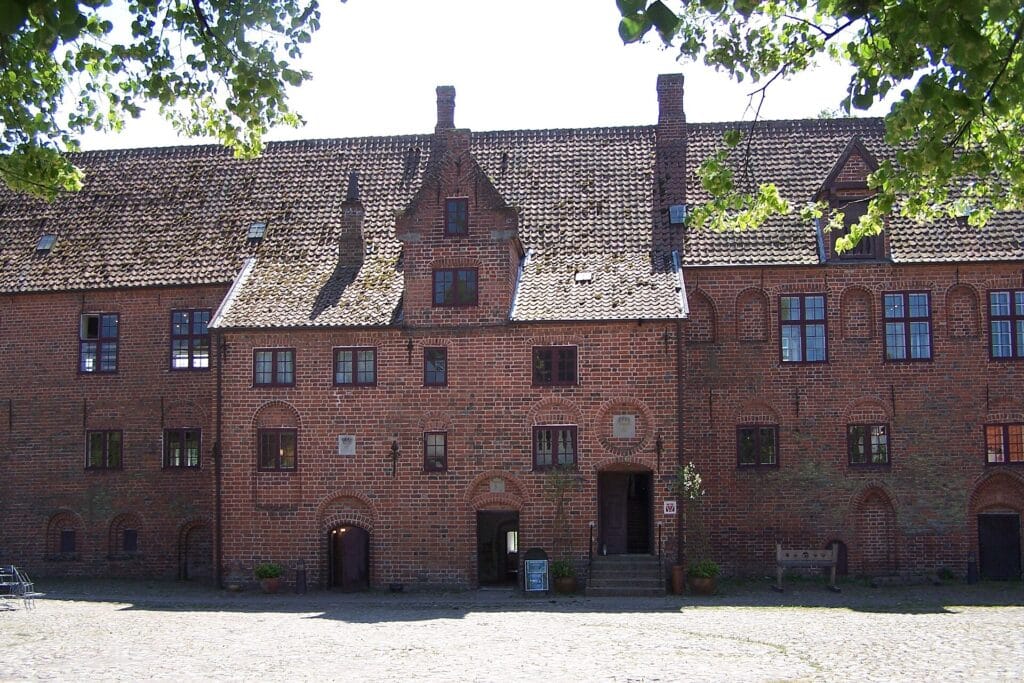
Esrum, Denmark. Esrum Abbey Museum sits on the site of a significant former Cistercian monastery located near Esrum in northern Zealand, Denmark. The abbey was founded in the 12th century, around 1140, during a period when…
Best forMuseum lovers, culture travelers, first-time visitors
Review focusCollections, visitor experience, and practical planning
Historical Context
Esrum Abbey Museum sits on the site of a significant former Cistercian monastery located near Esrum in northern Zealand, Denmark. The abbey was founded in the 12th century, around 1140, during a period when the Cistercian order expanded throughout northern Europe, emphasizing austerity, agricultural innovation, and rigorous monastic discipline. Over the centuries, Esrum Abbey became one of Denmark’s richest and most influential religious houses, not only for its spiritual role but also for its substantial economic impact on the surrounding region. It operated extensive landholdings and was involved in local production, including agriculture, milling, and brewing.
Following the Reformation in Denmark in the 16th century, the abbey was dissolved, and its properties were taken over by the crown. The complex underwent significant changes during subsequent centuries, with many of the original monastic buildings falling into ruin or being repurposed. The museum established on this historical foundation offers a chance to explore both the religious and secular histories linked to the site. Its collections and exhibitions engage with medieval monastic life, the architectural heritage of the abbey, and its agricultural legacy, reflecting a broader narrative about Denmark’s medieval church and society.
What You See on Arrival
Approaching Esrum Abbey Museum, visitors are met with a landscape shaped by centuries of history. Although much of the original abbey complex was dismantled or adapted, foundational ruins and remnants provide a tangible connection with the past. The museum does not present itself solely through grand reconstructions but rather emphasizes archaeological remains that convey the scale and layout of the Cistercian complex.
The immediate framing of the site focuses on interpreting the material traces visible above and below ground. The surviving abbey church elements, partial walls, and foundations are integrated into open-air displays accompanied by informative panels. These contextualize the monastic architecture and everyday use of space. In addition, the museum’s visitor center offers entry points to displays that delve into the abbey’s history and the cultural environment of medieval Denmark. Visitors typically gain insight into the abbey’s religious function and its role in shaping the local landscape.
There is an emphasis on the site’s historical authenticity rather than polished museum spectacle. The museum identity highlights the abbey’s spiritual and economic dimensions, inviting visitors to consider the intersection of faith, labor, and land management that characterized the Cistercian order.
Highlights and Key Exhibitions
The core of Esrum Abbey Museum’s appeal lies in its presentation of the abbey’s medieval origins and subsequent developments. The displays combine archaeological evidence, architectural analysis, and artifacts to tell a layered story of monastic life, production, and post-Reformation transitions.
One primary exhibition area focuses on the abbey church and monastic buildings. Visitors encounter detailed explanations of how the Cistercian monks adhered to strict architectural guidelines emphasizing simplicity and order, in contrast to more ornate Gothic styles. Exhibits include models and diagrams illustrating the layout of cloisters, dormitories, chapter houses, and refectories. The archaeological remains are presented alongside these interpretive materials, allowing a direct comparison between the original structures and their remnants.
Another significant section covers the abbey’s economic activities. The Cistercians were known for pioneering and organizing agricultural practices, and Esrum Abbey was no exception. Displays detail the cultivation of cereals, management of water systems, milling processes, and brewing techniques. Tools, pottery shards, and industrial remnants uncovered during excavations offer concrete evidence of these operations. The museum also contextualizes how the abbey’s estates fit within wider medieval Danish economy and its social impacts.
An important aspect is the museum’s treatment of the Reformation’s impact. The exhibition explains how the Danish crown seized church properties and how the site’s function shifted in the centuries that followed. This contributes to a nuanced understanding of religious and political change, not limited to the abbey’s heyday but extending into early modern history.
Ancillary exhibits include displays of liturgical objects, manuscript facsimiles, and insight into daily monastic routines, such as prayer practices, austerity, and communal life. These give a human dimension to what might feel like distant ruins. While the museum does not heavily focus on dramatic reconstructions or animatronics, it uses clear, scholarly interpretive materials to make its collections accessible.
Together, these exhibitions offer a comprehensive portrait of Esrum Abbey’s history. They balance architectural history, economic anthropology, spiritual culture, and broader Danish historical currents. The museum is well-suited to visitors interested in medieval monasticism, ecclesiastical architecture, and historical archaeology.
Visitor Experience
Esrum Abbey Museum caters primarily to those with a genuine interest in history and archaeology rather than casual tourists seeking entertainment or highly interactive displays. Its layout encourages visitors to engage thoughtfully with the site, following pathways that connect ruins with interpretive panels and exhibition spaces. The open-air experience of the foundations cultivates a reflective atmosphere where one can trace physical footprints of medieval monastic life.
Interpretation is clear and methodically presented, with most materials available in Danish and English. Signposts and labels reference scholarly research but avoid unnecessary jargon. The museum’s strength lies in offering a layered and cohesive narrative that places the site in historical context without over-simplifying.
The pacing depends largely on visitor preference. Those inclined to read all information and study exhibits in detail will find the museum rewarding. For others, the absence of high-energy interactive installations might make the visit feel less engaging. The focus on archaeological and architectural remains means some parts of the site are less visually dramatic and require imagination to appreciate fully.
Families with children may find the museum somewhat challenging unless guided specifically by interest in history. That said, the outdoor setting and tangible remains provide potential for hands-on learning, especially for older children able to engage with text and images. Group visits by students or history enthusiasts can be productive, given the museum’s educational strengths.
The museum balances indoor and outdoor elements, which means that weather can affect how comfortably the site is explored. Planning a visit during milder months will enhance the experience. The museum’s atmosphere is tranquil and contemplative rather than bustling, suitable for solitary visitors or small groups interested in focused exploration.
Tickets, Access, and Planning
Potential visitors should check the museum’s official website for current information on opening hours, admission policies, accessibility, and any available tours or educational programs. Given the historic nature of the site and the mixture of indoor and outdoor exhibitions, some sections may have limitations for visitors with reduced mobility, and preparation could be necessary.
Information on parking or public transit connections is typically provided by local tourism resources or the museum’s site. Since the museum is located in a relatively rural part of Zealand, arrival by private car or organized tour might be more straightforward than by public transport.
The museum generally encourages thoughtful, unhurried visits and may provide printed materials or digital resources to enhance understanding. Because the exhibitions are scholarly and focused, visitors aiming for a comprehensive experience should allocate sufficient time, ideally avoiding peak crowds when possible to benefit from the peaceful environment.
Final Verdict
Esrum Abbey Museum offers a focused and historically rich look at one of Denmark’s important medieval monastic sites. Its strengths lie in the careful presentation of archaeological remains combined with well-researched exhibitions that illuminate the religious, economic, and cultural dimensions of the Cistercian order’s presence in Denmark.
The museum’s approach avoids flashy gimmicks or over-simplification, appealing to visitors willing to engage with the material in a considered way. Its balance of indoor exhibits and open ruins creates a sense of place that is reflective and grounded in tangible history. For those interested in monastic architecture, medieval agriculture, or Danish ecclesiastical history, it provides a rewarding, educational experience.
However, visitors seeking dynamic, family-focused entertainment or comprehensive modern interpretive technology may find the museum limited in those respects. Also, the open-air nature of much of the site means attention to weather and mobility considerations should be factored into planning a visit.
Overall, Esrum Abbey Museum is a solid destination within Denmark’s historical museum landscape. It occupies a niche that emphasizes authenticity and scholarly interpretation over spectacle, making it a worthwhile stop for a well-informed audience or anyone with a deeper interest in the medieval church and its long-term impact on Danish society. Checking official sources in advance will ensure up-to-date logistical details can be taken into account when planning a visit.