Museu da Língua Portuguesa Review
São Paulo, Brazil. The Museu da Língua Portuguesa (Museum of the Portuguese Language) is situated in São Paulo, Brazil. It is dedicated to the study and celebration of the Portuguese language in its many forms and expressions.…
São Paulo, Brazil. The Museu da Língua Portuguesa (Museum of the Portuguese Language) is situated in São Paulo, Brazil. It is dedicated to the study and celebration of the Portuguese language in its many forms and expressions.…
Best forMuseum lovers, culture travelers, first-time visitors
Review focusCollections, visitor experience, and practical planning
Historical Context
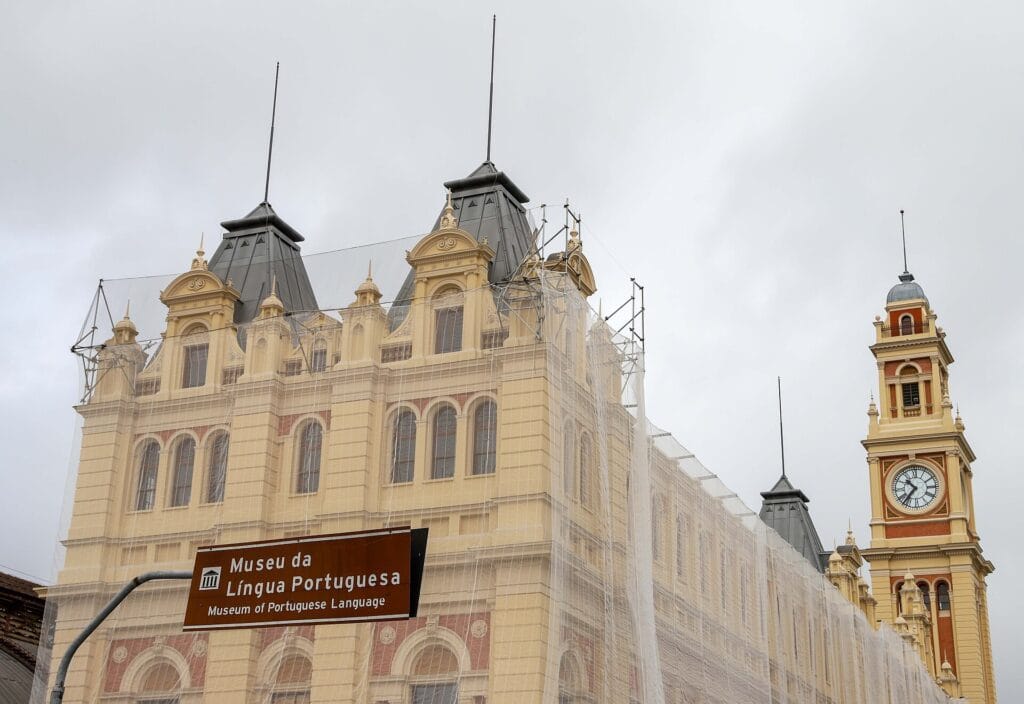
The Museu da Língua Portuguesa (Museum of the Portuguese Language) is situated in São Paulo, Brazil. It is dedicated to the study and celebration of the Portuguese language in its many forms and expressions. Opened in 2006 inside the Estação da Luz, a historic railway station in São Paulo, the museum occupies a space that bridges linguistic heritage with urban history. The museum was conceived not only as a repository of linguistic knowledge but also as an interactive center that brings to life the evolving nature of Portuguese as spoken across continents.
This museum stands out in the global cultural landscape by focusing almost exclusively on language as a subject of museum curation – a relatively rare approach. Portuguese, spoken by over 250 million people worldwide, links a variety of countries and cultures across South America, Africa, Europe, and Asia. The museum’s foundation reflects growing interest in how this language has shaped identities and history, particularly in Brazil, the largest Lusophone country.
After suffering significant damage due to a fire in 2015, the museum was closed for several years for extensive restoration and was reopened in 2020. This event was critical in defining its current identity and exhibit approach, embedding a resilience story in its narrative. The museum’s location within an operatic transport hub underscores the dynamic nature of language as something living, moving, and adapting.
What You See on Arrival
Visitors approaching the Museu da Língua Portuguesa first encounter the grand façade of Estação da Luz, an impressive Victorian-style building with ironwork and glass that speaks to the industrial boom of São Paulo in the early 20th century. This historical context provides a subtle but effective frame for what the museum prioritizes: language as a vehicle of communication across time and place.
The museum’s entrance is integrated with the station itself but is clearly marked, signaling a transition from travel infrastructure to a cultural destination. The interior offers a mix of contemporary exhibition design and the preserved architectural features of the station. This juxtaposition hints at the museum’s thematic intention to bridge past and present.
On arrival, visitors can expect signage and introductory spaces designed to orient them to the museum’s core themes. The institution positions itself as both educational and experiential, with exhibit areas that invite interaction rather than passive observation. The contrast between the station’s historical character and the modern interactive technology inside sets a tone for the visitor’s journey through language, history, and culture.
Highlights and Key Exhibitions
The Museu da Língua Portuguesa explores Portuguese through multiple lenses: its history, geography, cultural impact, and linguistic diversity. The core exhibition narratives revolve around showing Portuguese not as a fixed entity but as a living and changing language that carries the stories of its speakers.
One of the museum’s principal strengths is its treatment of regional variations and linguistic influences. Portuguese in Brazil differs significantly from that of Portugal, Mozambique, Angola, and other Lusophone countries. The museum’s exhibits often illustrate these distinctions through audio samples, written texts, and multimedia presentations. In this way, visitors learn about how colonial history, indigenous languages, immigration, and globalization have shaped the language.
The museum features collections that delve into the etymology of words and phrases, tracing their roots back to Latin, as well as Aboriginal and African languages. These linguistic explorations are paired with contextual information about the social and historical circumstances in which certain expressions have evolved.
Another significant aspect of the exhibition is its focus on literature and popular culture. The museum presents excerpts from important Portuguese-language writers and poets alongside contemporary media examples. This approach helps to demonstrate how language acts both as an art form and a daily means of communication.
Interactive elements are a defining feature, including digital touchscreens and sound installations. These offer visitors the ability to hear various accents, participate in language games, and recognize how words change in meaning or sound depending on context. Such tools underline the museum’s pedagogical strategy—engaging people with language actively rather than through static displays.
The museum also dedicates space to exploring the Portuguese language’s role within Brazilian identity. Exhibits consider how language ties to national formation, migration waves to São Paulo, and the city’s multicultural fabric. While this fits its broader Lusophone scope, the focus on Brazil’s experience grounds the museum’s narrative in local relevance.
One limitation to note is the museum’s primary concentration on linguistic and cultural content with relatively fewer artifacts. Unlike history or art museums, it relies heavily on multimedia and textual representation rather than physical objects. Visitors expecting traditional museum display cases with tangible items might find the experience more cerebral and technologically centered.
Visitor Experience
The Museu da Língua Portuguesa presents a visitor experience that is largely centered on engagement and reflection about language. The pacing encouraged by the exhibitions suggests a medium-length visit where visitors can spend time listening, watching, and reading comfortably.
The interactive design supports educational goals but requires a certain level of language proficiency and curiosity. Those unfamiliar with Portuguese or with limited attention for audiovisual media might find some exhibits less accessible. Conversely, those interested in linguistics, literature, or cultural studies are likely to benefit significantly from the layered presentations.
Interpretive materials generally balance information delivery and visitor autonomy well. Instructions and contextual texts are clear, avoiding overly technical linguistics jargon. However, some exhibits relying on sound and digital interaction can produce crowding when busy, which might hinder quieter contemplation.
Families and school groups are certainly part of the intended audience, especially given the appeal of digital interaction and language games for younger visitors. Nonetheless, the depth of content, particularly concerning sociolinguistic and historical insights, caters well to adults and scholars.
One challenge for visitors is the museum’s spatial layout. Being incorporated into Estação da Luz means some galleries might lack the flow of purpose-built exhibition spaces. The museum’s adaptive use of historic infrastructure means circulation can feel constrained. This doesn’t diminish the quality of exhibits but may require greater attention to navigation and timing when planning a visit.
Visitor amenities and facilities have previously been supported by the station’s infrastructure. Nonetheless, visitors should check details before arrival given the museum’s past disruptions and ongoing restoration efforts that may affect accessibility or services.
Tickets, Access, and Planning
Admission policies, opening hours, and visitor services for the Museu da Língua Portuguesa have varied, especially following the 2015 fire and consequent renovations. Interested visitors are advised to consult the museum’s official website or contact local cultural authorities for the most current information regarding ticketing, discounts, guided tours, audio guides, accessibility provisions, and visitor facilities.
The museum’s location within Estação da Luz places it in São Paulo’s central area, making it accessible via public transportation. The proximity to metro, train, and bus lines facilitates easy arrival but also means potential crowding during peak urban transit periods. Visitors new to the city should allocate extra time during commuting hours.
Since the museum is devoted to language and multimedia interaction, visitors may benefit from bringing headphones if they prefer to engage with sound exhibits privately, though the museum may provide some equipment. Understanding basic Portuguese will enhance the experience, although some translations or summaries may be available.
Due to the museum’s focus on an evolving linguistic subject rather than static collections, repeat visits could offer new insights as exhibits develop or temporary programs are added. Checking for special events is worthwhile for those with a strong interest in language and Lusophone cultures.
Final Verdict
The Museu da Língua Portuguesa offers a distinctive experience well worth the attention of those interested in language, culture, and Brazilian history. By placing Portuguese at the center of its narrative, it fills a unique niche in global museum offerings and serves as a cultural hub that captures the complexity of a major world language.
Its approach favors interactivity and multimedia interpretation over traditional artifact displays, which suits the subject matter but may not appeal to all museum visitors. The integration of historic and contemporary elements within the Estação da Luz setting brings an added dimension but can present practical challenges in circulation.
While the museum’s coverage is broad, focusing on linguistic diversity, cultural expression, and the social role of language, it is honest in its mission. It neither oversimplifies nor romanticizes Portuguese but encourages visitors to appreciate its dynamism and cultural reach.
Planning a visit may require some attention to current conditions and scheduling details given the museum’s history of restoration and updates. The Museu da Língua Portuguesa will likely resonate most with those who have at least a conversational understanding of Portuguese or those eager to explore language as a living cultural force.
In sum, the Museu da Língua Portuguesa presents a thoughtfully designed and meaningful exploration of a language that connects millions. It stands as a resource and an invitation to engage with the Portuguese language beyond grammar and vocabulary – considering its place in identity, history, and contemporary life. For readers aiming for an educational, interactive, and culturally rich experience in São Paulo, this museum is a serious and reflective destination.