Carnegie Museum of Art Review
Art Museums · Pittsburgh, United States. The Carnegie Museum of Art in Pittsburgh, United States, was established in 1895 by industrialist and philanthropist Andrew Carnegie, whose vision was to create a museum that would serve as a "trustee for the…
Art Museums · Pittsburgh, United States. The Carnegie Museum of Art in Pittsburgh, United States, was established in 1895 by industrialist and philanthropist Andrew Carnegie, whose vision was to create a museum that would serve as a "trustee for the…
Best forArt lovers, visual culture, architecture
Review focusCollections, curatorial focus, and visitor planning
Historical Context
The Carnegie Museum of Art in Pittsburgh, United States, was established in 1895 by industrialist and philanthropist Andrew Carnegie, whose vision was to create a museum that would serve as a "trustee for the people." The museum was among the first in the United States to focus on contemporary art, at a time when most institutions concentrated primarily on classical or historical works. Carnegie intended the museum to introduce and interpret recent artistic developments to American audiences, particularly those in the industrial heartland.
The collection originally drew upon European and American artworks, reflecting Carnegie's own broad tastes and interests in fostering cultural education. Over the past century, the museum has evolved structurally and curatorially, expanding its holdings and exhibition program to include significant traditions in painting, sculpture, photography, design, and new media. Importantly, the museum’s development has been closely intertwined with Pittsburgh’s transition from a steel and coal hub into a diverse city with a growing interest in culture, technology, and higher education. The museum’s role as a cultural anchor has helped articulate both local identity and international artistic trends.
Today, the Carnegie Museum of Art belongs to the larger Carnegie Museums of Pittsburgh complex, which also includes institutions dedicated to natural history, science, and historical heritage. This multi-museum structure facilitates cross-disciplinary approaches to art and culture, but the art museum maintains its distinct focus on visual arts. Its legacy as one of the older contemporary art museums in the United States places it among notable institutional efforts to sustain visitor engagement with evolving artistic practices over time.
What You See on Arrival
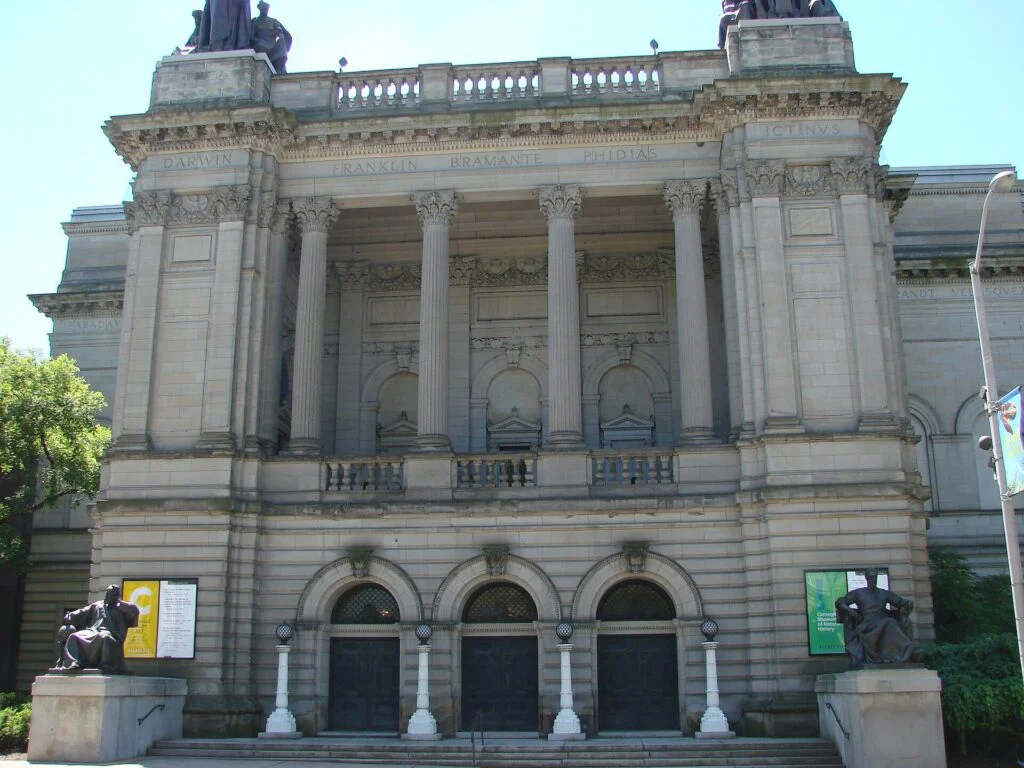
Approaching the Carnegie Museum of Art, visitors encounter a Beaux-Arts building alongside adjacent wings that reflect architectural continuity and institutional growth. The external aspect communicates a sense of both tradition and seriousness, signaling the museum's commitment to a scholarly yet accessible approach to art. There is an absence of extravagant gimmickry in the facade, suggesting a focus on the art itself rather than spectacle.
Upon entry, guests are likely to find a layout that orients them towards various galleries and collections without overwhelming first-time visitors. The museum’s identity as a home for not only historical works but also modern and contemporary art is subtly introduced, with spaces that balance natural and artificial light to best display artworks. The design cues overall imply a standard museum experience rather than an entertainment-driven destination.
The museum’s positioning within Pittsburgh’s cultural district complements its stature: it is not isolated but part of a vibrant city fabric. The nearby campuses of Carnegie Mellon University and the University of Pittsburgh further underline the institution’s educational and research mission. Visitors may note signage and orientation panels directing them towards permanent galleries, temporary presentations, and specialized sections such as photography and design, hinting at the museum’s multifaceted nature.
Highlights and Key Exhibitions
The Carnegie Museum of Art’s collection is diverse and notable for its breadth across media and historical periods, with particular strengths in American and European painting and sculpture. A cornerstone of the collection is its impressive holdings of 19th- and 20th-century works, incorporating both canonical artists and lesser-known figures. This provides a layered view of the modern art narrative, tracing movements from realism and impressionism to abstract expressionism and beyond.
Among American art, the museum includes works by key figures associated with the Ashcan School and regionalist painters, underscoring an interest in representing social and urban life alongside formal experimentation. The collection also contains examples of modernist sculpture and painting, demonstrating early to mid-20th-century reactions to traditional forms and the integration of European avant-garde practices into American art.
European art within the museum includes important 19th-century impressionist and post-impressionist pieces, which feature both celebrated painters and those whose reputations have fluctuated over time. This permits nuanced presentations of impressionism’s development and its varied impact on American collectors and artists.
The Carnegie Museum of Art has a significant commitment to photography and contemporary media, representing the growing role these forms have played in 20th- and 21st-century art. The photography collection, in particular, spans documentary, experimental, and artistic approaches, allowing for exhibitions and displays that engage with image-making’s evolving function.
A distinctive feature of the museum is its historical engagement with the Carnegie International exhibition, one of the oldest periodic international exhibitions in the United States. Although the review does not address any temporary exhibitions, this series contributes importantly to the museum’s identity and collection development, ensuring ongoing dialogue with global contemporary art.
Design and decorative arts also figure prominently in the collection, reflecting the museum’s broader vision of art beyond painting and sculpture. Examples include furnishings and applied arts from various periods, showing the museum’s interest in the intersections between utility, aesthetics, and cultural production.
The museum does not limit itself to high art but includes works and themes that reflect Pittsburgh’s regional history and industrial heritage. This locational anchoring enriches the narrative brought forth within its walls, allowing visitors to consider art in relation to place and history.
Visitor Experience
The Carnegie Museum of Art offers a visitor experience that favors contemplation and education, likely suited to individuals with a genuine interest in art history, contemporary practices, or civic cultural institutions. The galleries tend toward a measured and traditional presentation style, with artworks arranged thematically or chronologically, depending on the section.
Interpretive materials generally provide clear context for works, although the extent and style of labeling and wall texts may vary. The museum aims to balance questions of aesthetics with social and historical perspectives, potentially appealing to both scholars and casual enthusiasts. There is a focus on cultivating understanding rather than dazzling or distracting visitors.
In terms of pacing, the museum’s size and layout suggest that visitors can tailor their visit to their own interests, whether that means exploring a single medium in depth or surveying multiple collections. The presence of design and photography galleries alongside classic media creates varied points of interest. However, visitors lacking a background in art or museums may find some areas challenging without supplementary information, and the interpretive approach generally avoids oversimplification.
The institution’s respect for its historical legacy and contemporary relevance is evident but might result in contrasts between older gallery presentations and newer curatorial projects. Some parts of the museum exhibit a formal, traditional style, while others reflect more recent attention to current critical debates and practices in art. This mix requires a visitor to engage actively and may not cater well to those seeking a purely recreational or easily digestible outing.
The museum’s integration within Pittsburgh’s cultural scene extends its appeal to local audiences, students, and researchers, who may use it as a resource for study as much as for visual pleasure. Families with children might find some areas less animated, although the overall environment is welcoming.
Tickets, Access, and Planning
For practical considerations, it is advisable for prospective visitors to consult the museum’s official website for up-to-date information on opening hours, admission policies, and amenities. While the museum offers a substantial collection, details such as pricing, special discounts, guided tours, availability of audio guides, and accessibility accommodations are subject to change and should be verified.
The museum’s urban location facilitates access by public transportation and is situated within a district known for cultural institutions, which can be convenient for visitors planning a multi-site cultural itinerary. However, specifics regarding parking and ease of access for mobility-impaired visitors should be confirmed in advance.
Given its size, visitors might prefer to allocate sufficient time to engage with key collections without rushing, recognizing that the museum’s blend of historical and contemporary art encourages thoughtful viewing. Planning a visit during off-peak hours or days could improve the experience, as larger temporary exhibitions or events may affect crowd flow. The museum’s educational programs and special events might offer additional opportunities for engagement but should be checked beforehand.
Final Verdict
The Carnegie Museum of Art stands as a notable institution in Pittsburgh’s cultural landscape, with deep roots in both historical and contemporary art traditions. Its collections demonstrate considerable range and quality, particularly in American and European painting, sculpture, photography, and design. The museum’s long-standing commitment to contemporary art, inherited from Carnegie’s original vision and reinforced by ongoing international exhibitions, ensures it remains relevant to current artistic conversations.
Visitors interested in serious art appreciation, education, or research will find much to explore and consider. The museum’s careful and often scholarly presentation supports an environment conducive to reflection rather than casual entertainment. While this approach serves art-focused audiences well, it may pose challenges for those less familiar with museums or contemporary art discourse.
The institution’s physical and conceptual position within a broader network of cultural entities in Pittsburgh further enriches its potential appeal, allowing it to serve diverse roles as a repository, exhibitor, and cultural node. Nonetheless, potential visitors should manage expectations regarding interpretive style and plan accordingly to maximize their visit.
In summary, the Carnegie Museum of Art offers a rich and varied art experience anchored in a unique regional and historical context. It is an institution suited for those prepared to engage thoughtfully with a broad spectrum of art forms, while recognizing that certain practical details and visitor services should be confirmed ahead of time.