Carnegie Museum of Art
Art Museums · Pittsburgh, United States. The Carnegie Museum of Art, located in Pittsburgh, United States, is a notable institution dedicated primarily to the appreciation and exhibition of art. Founded by industrialist and philanthropist Andrew Carnegie, the museum reflects his…
Best forArt lovers, visual culture, architecture
Setting / nearbyPittsburgh, United States
Overview
The Carnegie Museum of Art, located in Pittsburgh, United States, is a notable institution dedicated primarily to the appreciation and exhibition of art. Founded by industrialist and philanthropist Andrew Carnegie, the museum reflects his interest in promoting the arts as a vehicle for education and cultural enrichment. It is one of several museums within the Carnegie Museums of Pittsburgh complex. This particular museum focuses on collections spanning from 19th-century works to contemporary art, displaying a range of media and movements.
As an art museum, it holds a well-regarded position nationally for its efforts to collect, preserve, and interpret works that have shaped the visual arts in America and beyond. It bridges historical and contemporary art, offering visitors insight into changing artistic practices and societal themes. The museum appeals to varied audiences, from scholars to casual visitors interested in visual culture. Its name is often linked to a commitment to both American art and the legacy of artist and collector Andrew Carnegie.
Collection Highlights
The core of the Carnegie Museum of Art’s collection is its emphasis on 19th- and 20th-century painting, sculpture, prints, drawings, and decorative art. The museum has earned recognition for its substantial holdings in American art, including works by prominent painters and sculptors whose contributions helped define art movements such as American Impressionism, Realism, and Modernism.
One distinctive aspect of the collection is the museum’s historic acquisition program, which began early in the 20th century. This program involved purchasing contemporary art directly from artists while still active, which has resulted in a rich collection of modern and contemporary works. It includes examples of early photography and design pieces, reflecting broader changes in artistic media over time.
Visitors will find a variety of artistic media on display. Paintings by figures such as Thomas Eakins, Mary Cassatt, and other American painters may be part of the permanent exhibits. The museum has also presented significant works by European artists, alongside important American photographers and artists working with emerging mediums like video and installation art. Large-scale sculptures and decorative arts are integrated alongside paintings and prints, giving a rounded view of visual creativity.
The collection’s organization allows a consideration of artistic developments across decades, highlighting shifts in style, subject matter, and technique. It is possible to see connections between historic movements and contemporary practices, though contemporary acquisitions continue to grow and change.
Building and Setting
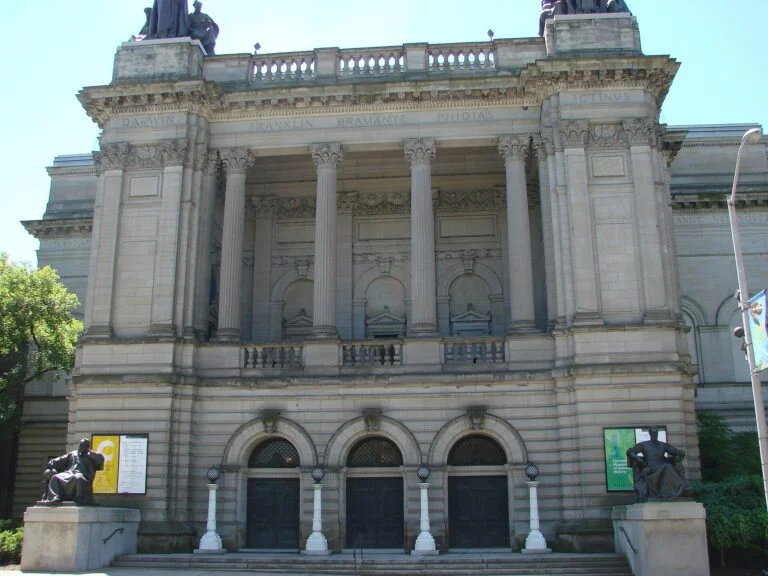
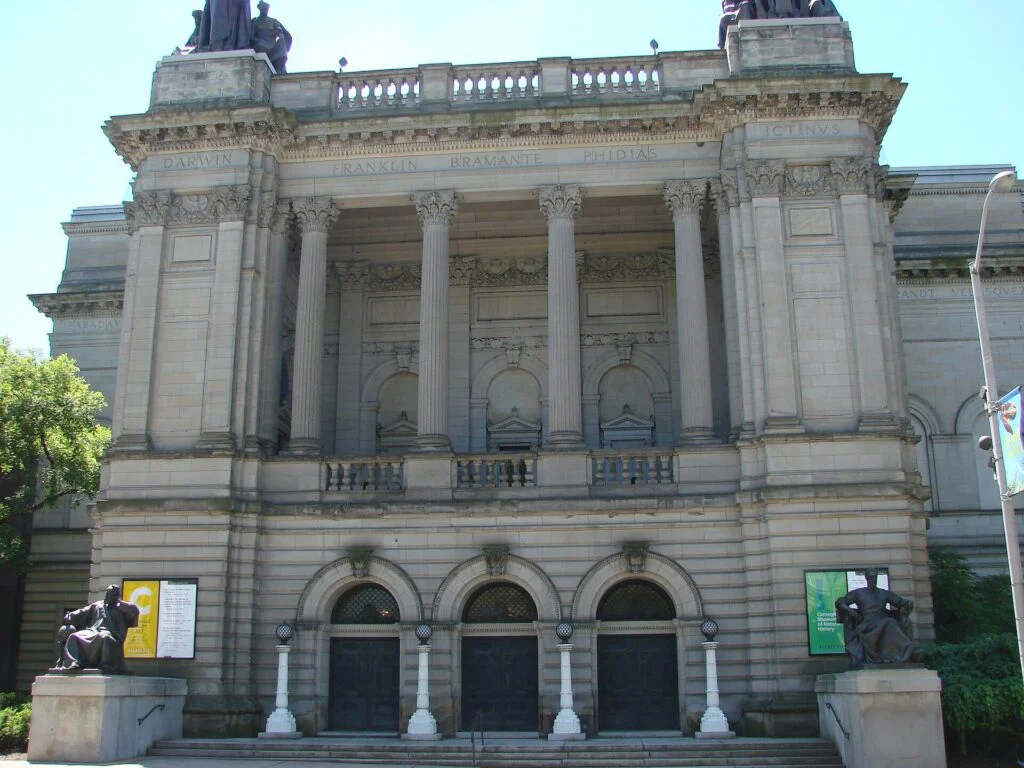
The Carnegie Museum of Art is housed within a grand, early 20th-century building located in Pittsburgh’s Oakland neighborhood. This area is known as a cultural and educational hub, close to universities, other museums, and cultural institutions. The building itself reflects Beaux-Arts architectural traditions, which align with the museum’s origin period and Carnegie’s intent to create a dignified space for art.
The museum is part of a broader complex that includes natural history and science museums, making it accessible for those interested in multiple fields of knowledge. The physical layout combines historic and more modern exhibition spaces. This may require some walking between galleries but allows for a variety of exhibition formats.
The campus environment includes landscaped areas and nearby green spaces, although the museum’s primary experience is interior and focused on the art collections. The accessibility of the site and proximity to public transit or parking options is subject to verification before visiting.
Practical Information
Prospective visitors should consult the official museum website or contact the museum directly for the most up-to-date information on opening hours, ticketing policies, and visitor services. Details such as admission fees, availability of guided tours, audio guides, and accessibility accommodations can change and vary based on season or special exhibitions.
It is advisable to check in advance as some exhibitions or programs might require reservations. The museum offers spaces for temporary exhibitions alongside its permanent collection, which means that the visitor experience may differ from visit to visit depending on current programming.
The museum’s location in an urban cultural district means public transportation and parking should be considered as part of travel plans. Any visitor planning should be prepared for typical city museum conditions—potential crowding during peak times or popular exhibitions.
Why Visit
Visiting the Carnegie Museum of Art is worthwhile for those interested in American art and its wider contexts. The museum has strength in showcasing historical works alongside contemporary practices, providing a narrative of artistic evolution over more than a century. It offers opportunities to see quality works by well-known and important figures in American visual culture, as well as significant examples of European and modern art.
For students and researchers, the museum can serve as a resource for understanding art history with direct access to original works. Casual visitors can gain a sense of art’s many forms and ideas through changing exhibitions and thoughtfully arranged galleries.
The museum may also appeal to those interested in the story of patronage and the development of cultural institutions in the United States, given Andrew Carnegie’s role in its foundation and continued influence.
On the other hand, those seeking specialized collections focused on non-Western art, or deep thematic historical exhibitions outside of the art field, might find the offerings more limited. The museum is primarily an art museum rather than a comprehensive cultural history site.
Overall, the Carnegie Museum of Art remains a substantial site for engaging with American and contemporary art, situated in a city with a strong industrial and cultural legacy. It rewards visitors who bring curiosity about visual art and are interested in how it has been collected, preserved, and presented over time.
For current details, seasonal programs, and to plan a visit, the museum’s official website should be referenced.