The Smithsonian American Art Museum
About: A great ‘breather’ museum: strong collection, calmer pace, and easy to combine with Portrait Gallery next door.What to see: Start with the.

Best forMasterpieces, architecture, cultural history
Setting / nearbyNorth America, United States
Overview
The Smithsonian American Art Museum is one of the most rewarding museums in Washington, D.C. and one of the best places in the United States to understand the breadth of American art across different centuries, movements, and media. Unlike museums that focus on one period or one narrow tradition, this museum offers a much wider picture of how American art has developed over time. That is one of its greatest strengths. It does not ask visitors to see American art as a single style or one uninterrupted national story. Instead, it reveals a field shaped by landscape, identity, experimentation, politics, craft, urban life, memory, and changing ideas about what American culture actually is.
What makes the museum especially strong is its balance. It has a serious collection, but it usually feels calmer and less overwhelming than some of the larger Washington museums. That makes it an excellent museum for slow looking. Visitors are not pushed through endless blockbuster rooms or crowded highlight routes. Instead, the museum often feels like a place where you can breathe, think, and let the collection unfold at a more human pace. This is one of the reasons it works so well for both first-time visitors and people who already know major American artists. It is large enough to be substantial, but its rhythm is gentler than that of many larger institutions.
The museum is also particularly valuable because it expands the idea of American art beyond only the most obvious canonical works. Yes, there are important paintings, sculpture, and major names, but the institution is strongest when it widens the frame. Folk art, decorative traditions, modern and contemporary works, urban scenes, portraits, installations, and works that explore race, labor, migration, and identity all contribute to a more layered understanding of the country’s visual culture. That means the visit can feel both familiar and surprising. You may arrive expecting classic American painting and leave remembering an unexpected sculpture, a modern installation, or a room that made the larger American story feel more complicated and more real.
Another important strength is the museum’s relationship to the National Portrait Gallery. Because the two institutions share the same building, the Smithsonian American Art Museum benefits from a setting that already encourages comparison, pause, and longer cultural visits. Even on its own, however, it is a museum of real depth. It does not need to be treated as a side museum or a quiet backup option. It can easily become one of the most satisfying museum experiences in Washington because of its calmer pace, strong collection, and broad vision of American art.
Collection Highlights
The museum’s strongest highlights come from the breadth of its holdings rather than from one single famous masterpiece. That said, the American painting collection is one of the clearest reasons to visit. It allows visitors to move through different periods of the country’s artistic history and see how artists imagined landscape, national identity, the city, and everyday life. These galleries often work especially well because they make visible how American art changed alongside the country itself. You are not only seeing aesthetic shifts. You are seeing changing ideas of what America looked like and what it meant.
Landscape painting is often one of the most compelling parts of the museum. In American art, landscape has never been just scenery. It has often carried ideas about scale, wilderness, ownership, expansion, spirituality, and nationhood. These rooms help visitors understand that tradition with more nuance. They also provide some of the museum’s most immediately accessible and visually generous experiences, especially for people who may not already know American art history in depth.
The museum’s holdings in modern and contemporary American art are another major strength. These sections prevent the institution from becoming only a museum of historical identity or nineteenth-century painting. They show how American art continued to diversify and become more self-questioning, experimental, urban, and politically engaged. This broadens the visit and gives the museum much of its intellectual energy. Depending on the route, these rooms can provide a real change in tone, from the spaciousness of older landscape traditions to something more fragmented, conceptual, or socially focused.
Folk and self-taught art also play an important role in the museum’s identity. This is one of the places where the collection becomes especially interesting, because it refuses to define American art only through elite institutions and canonical traditions. These works widen the story and often bring a very different emotional texture to the visit. They can feel intimate, direct, inventive, and deeply connected to local traditions or personal worlds. In many museums, such material can feel marginal. Here, it helps shape the museum’s larger understanding of America itself.
The museum is also strong in sculpture and mixed-media works, and these often help vary the experience from room to room. Rather than simply presenting painting after painting, the collection gives enough formal and material variety to keep the visit alive. This matters because a museum of national art can easily become repetitive if it does not widen its visual vocabulary. The Smithsonian American Art Museum avoids that problem well.
Building and Setting
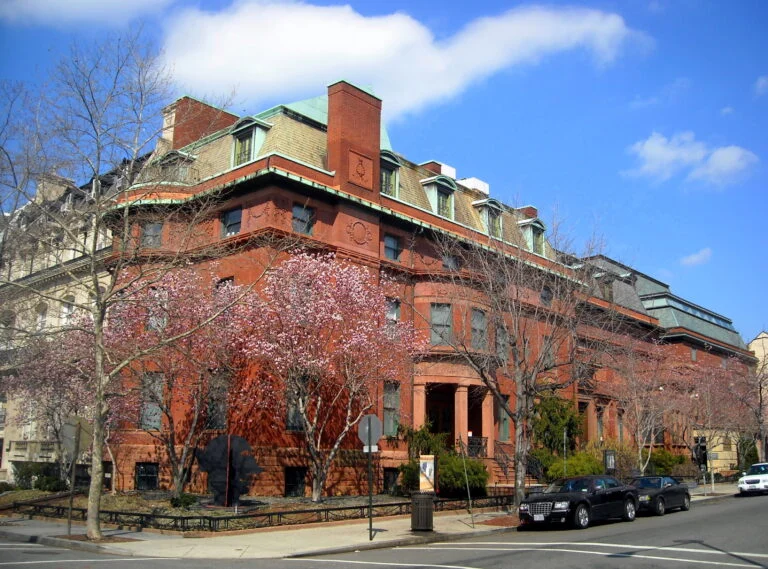
The building is one of the museum’s quiet advantages. Housed in the historic Old Patent Office Building, the museum benefits from a setting that feels dignified, spacious, and rooted in American civic history. This suits the collection particularly well. The building is not a neutral shell. It has presence and character, but it does not overshadow the works inside. Instead, it reinforces the sense that this is a museum concerned with American public and cultural life at a broad level.
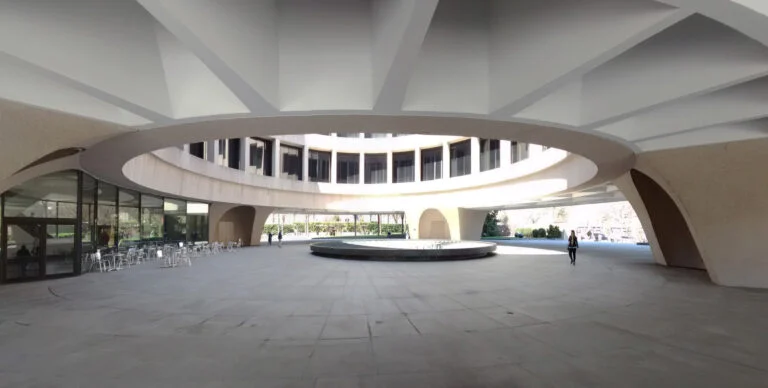
One of the most memorable elements of the building is the central courtyard. It functions as both a visual pause and a practical reset point. In a museum devoted to a wide range of American art, this kind of space is extremely helpful. It allows visitors to stop, reflect, and re-enter the galleries with fresh attention. That calmer pacing is one of the things that makes the museum feel so approachable.
Its location in Washington, D.C. also adds to its importance. The museum sits within a city filled with monumental institutions, but it offers a different kind of cultural experience from the better-known Mall museums. It feels slightly more inward, more reflective, and often more relaxed, while still being fully central to the city’s cultural life. This makes it an excellent museum for visitors who want something major without the same degree of pressure or intensity found elsewhere.
Practical Information
A very good way to visit the Smithsonian American Art Museum is to begin with the strongest historical painting rooms and then allow yourself to move more freely through modern, contemporary, and folk or self-taught sections afterwards. This gives the visit both a clear structure and a chance for surprise. Because the collection is broad, it helps to have a few priorities, but the museum is also rewarding when you leave room for quieter discoveries.
The museum works especially well as a “breather” museum. That does not mean it is minor. It means it has a calmer pace and a more absorbable scale than some of the heavier Washington institutions. It is therefore easy to combine with the National Portrait Gallery next door, but it is equally worth visiting on its own if you want the time to look properly.
Breaks are worth taking here, especially in the courtyard or between collection sections. The museum is strong enough that slower looking is rewarded, and its quieter atmosphere makes that easier than in many crowded museums.
Why Visit
The Smithsonian American Art Museum is best for American art lovers, first-time visitors to Washington, and anyone who wants a serious museum that still feels manageable and humane in scale. Its greatest strength is the breadth of its vision. It presents American art not as one narrow canon, but as a rich and changing field shaped by many voices, places, and traditions.
What makes it worth prioritising is the way it combines quality with calm. The museum has real depth, but it does not force itself on the visitor through overload. Instead, it gives space for thought, comparison, and discovery. That makes it one of the most satisfying museums in Washington for people who want not only famous works, but a fuller and more layered understanding of American visual culture.
For many visitors, it becomes memorable precisely because it feels so balanced. It is serious without being exhausting, broad without being shapeless, and reflective without becoming dull. That is a rare combination, and it makes the Smithsonian American Art Museum one of the strongest museum visits in the city.