Museum of the Moving Image
New York City, United States. The Museum of the Moving Image in New York City offers a focused exploration of the art, history, and technology of film, television, and digital media. As a specialized institution dedicated to the moving…
Best forMuseum lovers, culture travelers, first-time visitors
Setting / nearbyNew York City, United States
Overview
The Museum of the Moving Image in New York City offers a focused exploration of the art, history, and technology of film, television, and digital media. As a specialized institution dedicated to the moving image, it stands apart from general art or history museums by concentrating specifically on the cultural and technical dimensions of visual storytelling in motion. Located in the borough of Queens, the museum traces the evolution of the moving image from its earliest days to the present, providing context for its impact on society and culture.
This museum is often of interest to visitors who appreciate cinema and media studies, as well as those intrigued by how moving images influence both entertainment and communication. Unlike venues solely dedicated to film exhibition, the museum bridges the creative and technical aspects, highlighting elements such as production techniques, narrative forms, and visual effects alongside historic artifacts. It does not serve as a conventional movie theater, but incorporates film screenings within a broader educational framework.
Collection Highlights
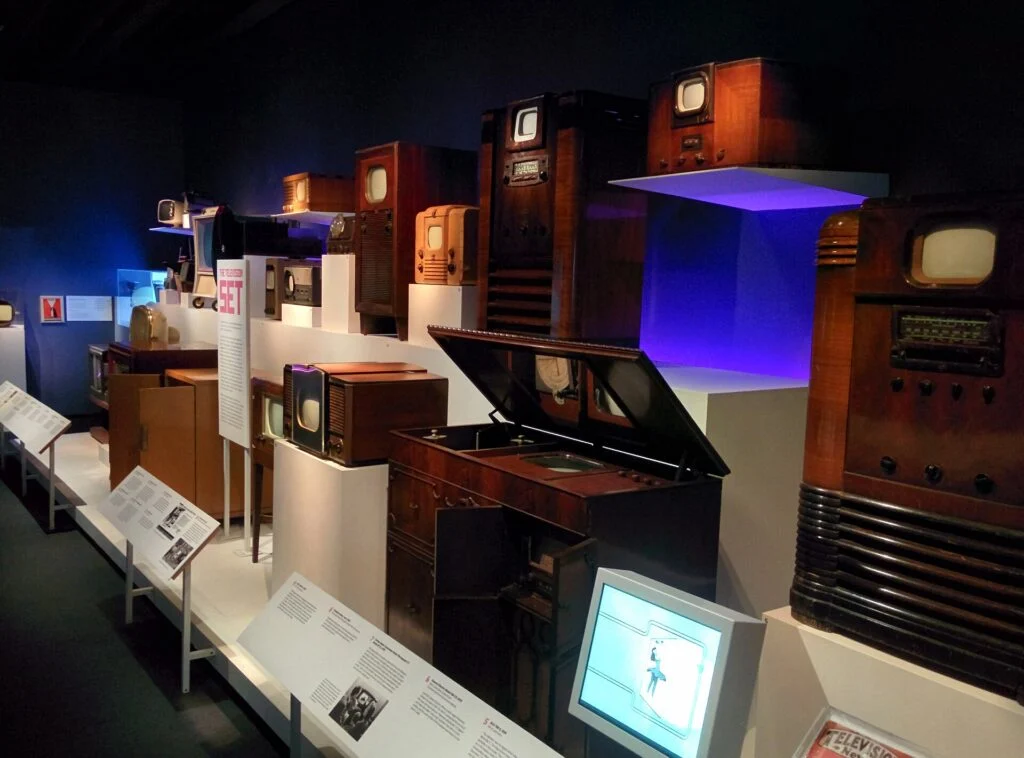
The collection at the Museum of the Moving Image is notable for its comprehensive coverage of various components related to moving images. Visitors can expect to see an array of historic artifacts including film cameras, projectors, and editing equipment that chart the development of cinematic technology. This equipment helps illustrate the technological advances that have shaped how films and television shows are produced and viewed.
In addition to technical artifacts, the museum includes material related to film and television history, such as props, costumes, and original posters or promotional materials. One of the strengths of the museum lies in its attention to the creative process, with exhibits showcasing storyboards, script excerpts, and animation cells that shed light on the craftsmanship behind productions.
The museum’s collection extends into the digital realm as well, recognizing the ongoing transformation of moving images in the age of computers and streaming platforms. Exhibits may highlight key figures in film and television history as well as explore trends in popular and avant-garde media. This mixture of objects underscores the breadth of the moving image field, from classic Hollywood cinema to experimental video art.
Building and Setting
The Museum of the Moving Image is housed in a building that was once a part of the historic Astoria Studios complex, an active site of film production dating back to the early 20th century. Situated in Queens, the location’s heritage connects the museum not only to the history of film but also to New York City’s role in the industry, which historically competed with Hollywood as a production center.
The interior layout is designed to accommodate both permanent and changing exhibitions, with spaces for screenings and educational programming. The museum environment favors clear exhibition design, balancing display cases, video screens, and interactive elements to engage visitors with different learning styles. The surrounding neighborhood is primarily residential and industrial, so visitors should not expect a tourist-heavy area but rather a setting that reflects the museum’s connection to practical filmmaking history.
Practical Information
For potential visitors, the Museum of the Moving Image’s official website is the best source for up-to-date details about admission, opening hours, guided tours, and accessibility. Since policies regarding ticketing, special exhibitions, and visitor services can change, checking the museum’s current information before planning a visit is advisable.
The museum’s size and layout mean that visits can be reasonably adapted to shorter or longer schedules, depending on interest level. Those with a deep focus on cinema technology or history might spend several hours exploring the exhibits and attending any scheduled screenings or talks. Conversely, visitors with a more general interest may find a couple of hours sufficient.
As the museum presents media through both physical artifacts and video installations, visitors who prefer more tactile or visual engagement will find this approach effective. However, those with hearing or vision impairments may want to inquire about specific accommodations or assistive technologies, as media-centered museums sometimes present accessibility challenges. The website or visitor services should have the current information.
Why Visit
The Museum of the Moving Image offers an opportunity to explore the multifaceted nature of moving images beyond simply watching films. It opens a window onto how films and videos are made, the technologies behind them, and their evolving forms and meanings. This makes it a valuable destination for film enthusiasts interested in the history and craft behind the screen, as well as educators, students, and cultural historians.
While the museum is firmly rooted in the history and technology of film and television, it also reflects on contemporary developments in digital media. This helps bridge past and present, showing how the moving image continues to adapt and influence cultural practices. Its interactive and media-rich approach favors visitors who enjoy engaging with content through multiple formats rather than static displays alone.
On the other hand, those seeking an art museum or a venue for blockbuster exhibitions or mainstream movie premieres might find the experience more specialized than anticipated. The museum is focused, with a scholarly but accessible tone, and thus benefits visitors prepared to engage with the material thoughtfully.
In summary, the Museum of the Moving Image serves as a place to understand the moving image in its many dimensions—not just as entertainment but also as an integral part of modern culture and communication. Its thorough presentation of historical and technical material makes it a distinctive institution in New York City’s diverse museum landscape. Whether a casual visitor or a dedicated cinephile, the museum offers insights that complement and enrich the experience of film and media today.