Toledo Museum of Art
Art Museums · Toledo, United States. The Toledo Museum of Art, situated in Toledo, Ohio, is an art museum with a considerable reputation for its quality and range of collections. Founded in the early 20th century, this institution has grown…
Best forArt lovers, visual culture, architecture
Setting / nearbyToledo, United States
Overview
The Toledo Museum of Art, situated in Toledo, Ohio, is an art museum with a considerable reputation for its quality and range of collections. Founded in the early 20th century, this institution has grown steadily to become one of the more prominent regional art museums in the United States. It serves both local communities and visitors from beyond the region with a focus on a broad span of art history, encompassing classical to modern works. The museum is especially noted for its dedication to both fine and decorative arts, presenting a variety of artistic styles and periods in a thoughtfully curated environment. Its identity as a public institution committed to education and public engagement is reflected in its collection and programming.
Collection Highlights
The Toledo Museum of Art’s collection covers several domains of art, with significant strengths in glass art, European paintings, and Asian art. The glass art collection is particularly noteworthy and aligns with Toledo’s historical connection to the glass industry. This includes works spanning from historical decorative pieces to modern and contemporary glass sculptures, offering a comprehensive look at the medium's evolution and artistic use. Although visitors may come primarily for this aspect, the museum also holds substantial European old master paintings, including examples from the Renaissance and Baroque periods. These paintings provide insight into Western art history and its developments over centuries.
In addition to glass and European paintings, the museum’s Asian art collection includes ceramics, paintings, and sculptures that embody artistic traditions from China, Japan, Korea, and Southeast Asia. This part of the museum allows for a comparative perspective on artistic cultures distinct from Western traditions. There are also American and modern art collections that include pieces from the 19th and 20th centuries, offering a view into more contemporary artistic movements and the progression of American art over time.
The museum’s collection is further complemented by ancient art and decorative arts, encompassing objects from ancient Egypt, Greece, and Rome, which provide cultural and historical context. Visitors interested in design will find notable objects such as furniture, silver, and textiles. The diversity of the holdings means the museum can appeal to a wide variety of tastes and areas of interest within the visual arts.
Building and Setting
The museum occupies a neoclassical building designed in the early 20th century, characterized by its symmetrical façade, grand columns, and distinctive rotunda. The setting is urban, with the museum located near downtown Toledo. This location makes it accessible to residents as well as visitors passing through the city, though the immediate surroundings are predominantly institutional and civic rather than scenic parkland or natural landscape.
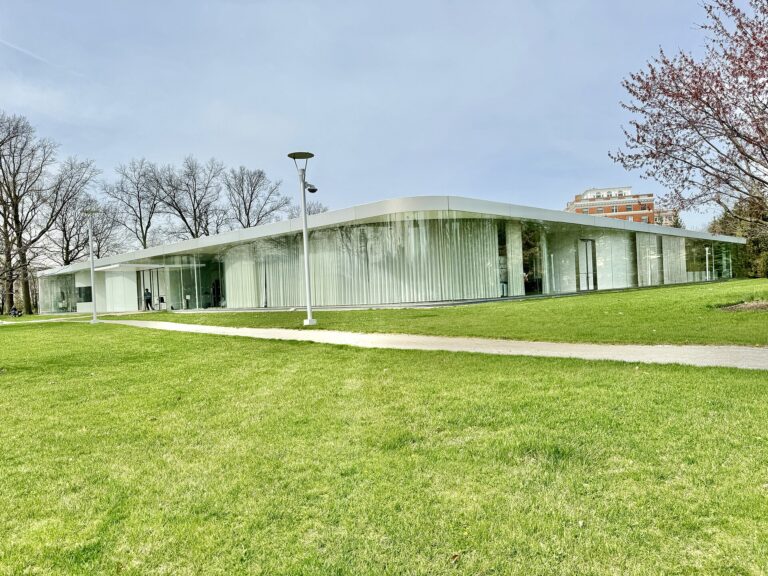
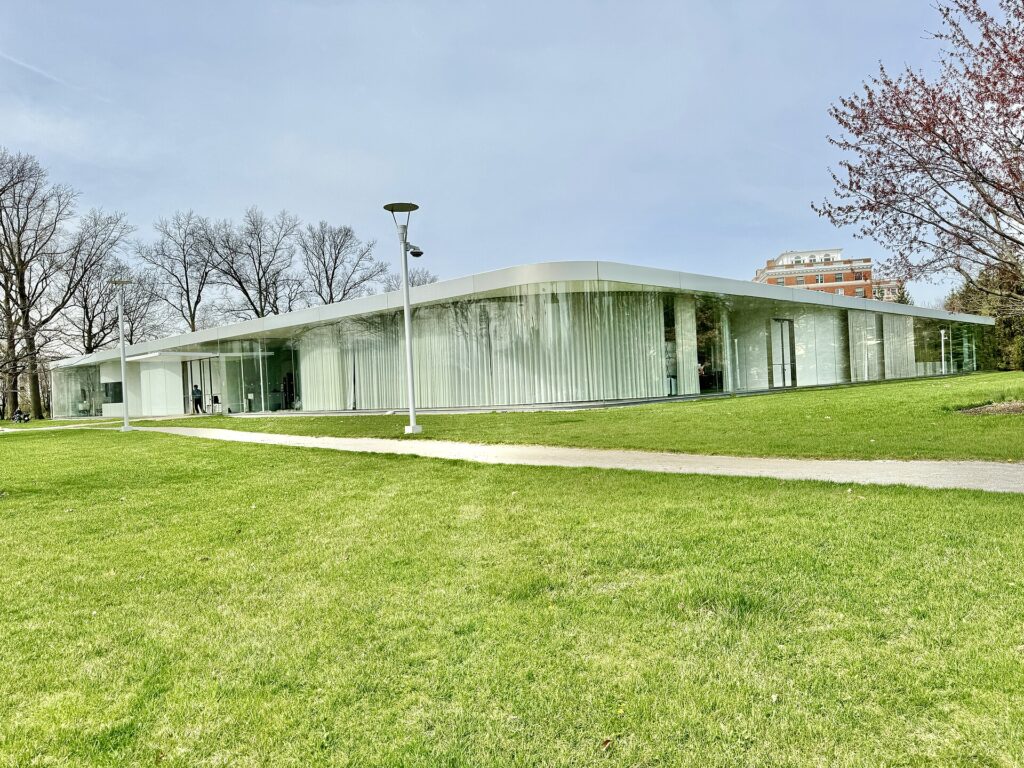
In addition to the main building, the museum complex includes an affiliated glass pavilion opened in the 21st century, purpose-built to house the glass collection and related educational activities. This pavilion features modern architectural elements and serves as a functional space for demonstrating glassmaking techniques, workshops, and special exhibitions. The combination of the classical and modern architectural elements markedly contrasts but also defines the museum’s identity—rooted in tradition while embracing contemporary practices.
Practical Information
Visitors considering a trip to the Toledo Museum of Art should consult the museum’s official website for the most current information on opening hours, ticket costs, and any special advisories. As policies and schedules can change, particularly around public holidays or special exhibitions, it is advisable to check these details in advance to ensure a smooth visit.
The museum offers a range of visitor services, but the availability of guided tours, audio guides, or educational programs might vary depending on the day and season. Accessibility provisions are reportedly in place, though those with specific needs may wish to confirm these details prior to their visit. The museum also includes spaces such as a library and study rooms that may be accessible with prior arrangement. While the museum has a café and museum shop, availability and operation times are best confirmed directly.
Why Visit
The Toledo Museum of Art is a suitable destination for visitors interested in experiencing a varied and well-curated art collection outside of the major metropolitan centers. It can satisfy those particularly drawn to glass art due to its dedicated pavilion and comprehensive display, as well as others who appreciate more traditional fine art ranging from ancient to modern periods.
What stands out is the museum’s evident commitment to an educational mission, reflected both in the selection of works and the presentation approach. This makes it a good option for families, students, and visitors who prefer an environment conducive to learning and reflection rather than a solely tourist-oriented attraction.
There are limitations to consider: the museum is not large by the scale of major national institutions, so visitors should plan accordingly if they seek a very broad exploration of art or are looking for extensive modern art holdings beyond those represented. Similarly, the focus on traditional display methods may mean fewer interactive or multimedia elements than contemporary “experience-driven” museums.
In summary, the Toledo Museum of Art occupies a distinctive place in the American museum scene with its specialized collections and restrained setting. It welcomes a diverse audience, including art historians, students, and curious travelers wishing to understand more about artistic traditions connected to the Midwest region and beyond. The museum’s balance of old and new, classical and innovative, provides an art experience shaped by history but attentive to contemporary artistry.