Museo Evita
Buenos Aires, Argentina. Museo Evita is a biographical museum dedicated to the life and legacy of Eva Perón, a figure who holds enduring historical and cultural significance in Argentina. Located in Buenos Aires, this museum focuses on…
Best forMuseum lovers, culture travelers, first-time visitors
Setting / nearbyBuenos Aires, Argentina
Overview
Museo Evita is a biographical museum dedicated to the life and legacy of Eva Perón, a figure who holds enduring historical and cultural significance in Argentina. Located in Buenos Aires, this museum focuses on the personal story and public impact of Evita, the wife of President Juan Domingo Perón and a prominent political leader, social activist, and advocate for labor rights and women's suffrage in the mid-20th century. The museum explores both the myth and reality surrounding her life, presenting a detailed perspective on her influence on Argentina's social policies, her role within Peronism, and her lasting place in Argentine identity.
Unlike a typical art or history museum, Museo Evita functions as a biographical center, deeply rooted in political and social history. It goes beyond simply recounting chronological facts to address the various narratives and controversies that Evita's life has sparked over decades. Visitors are offered a chance to understand the complexities of her career and personality, as well as the broader context of Argentina's mid-century political climate. This museum appeals particularly to those interested in 20th-century Latin American history, political biography, and the culture of memory.
Collection Highlights
The museum presents a broad array of documents, photographs, personal objects, and multimedia exhibits that reconstruct Evita’s life from her modest beginnings to her rise as an influential public figure. Among the collection, visitors can expect to find original photographs capturing important moments, such as her theatrical career prior to entering politics, her role as first lady, and public appearances. These visual elements complement textual exhibits that trace her political work, including her foundation of the Eva Perón Foundation, which aimed to help the poor and marginalized sectors of society.
There are also items of clothing and personal artifacts that reflect Evita’s public persona and personal style, subtly illustrating the interplay between her image and political messaging. Some exhibits address her struggle with illness and untimely death, an aspect that shaped her posthumous reputation and the cult-like following she inspired.
The museum pays attention to multiple viewpoints. It shows how she was revered by many for her social programs and died young as a symbol of hope, while also acknowledging that her political legacy remains contentious. This balanced approach makes the collection suitable for both newcomers who want an introduction and those familiar with Peronist history who seek deeper context.
Building and Setting
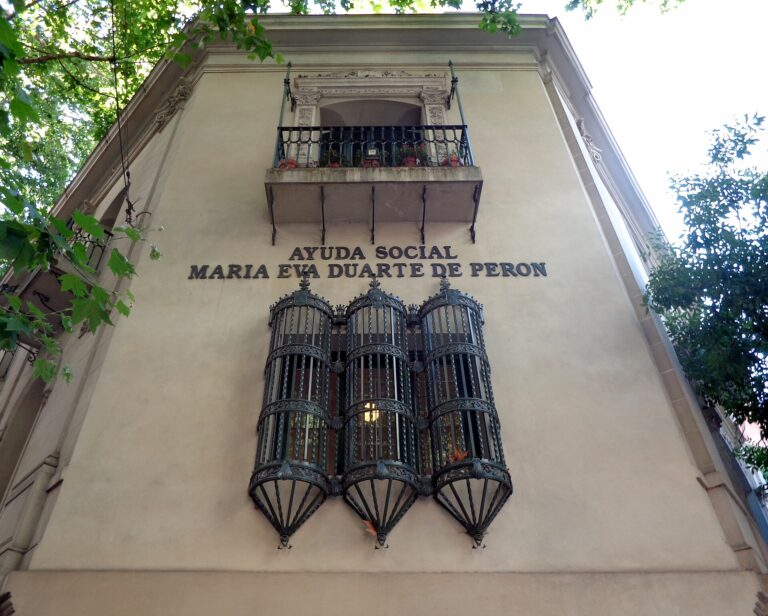
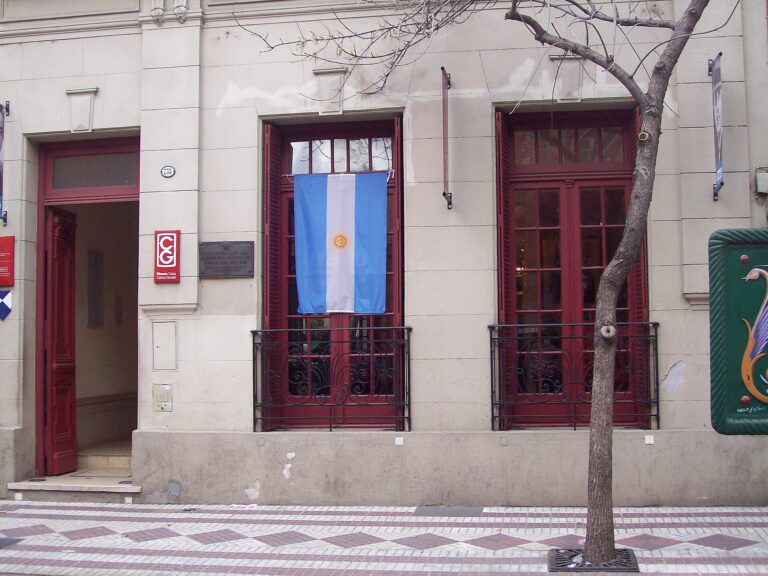
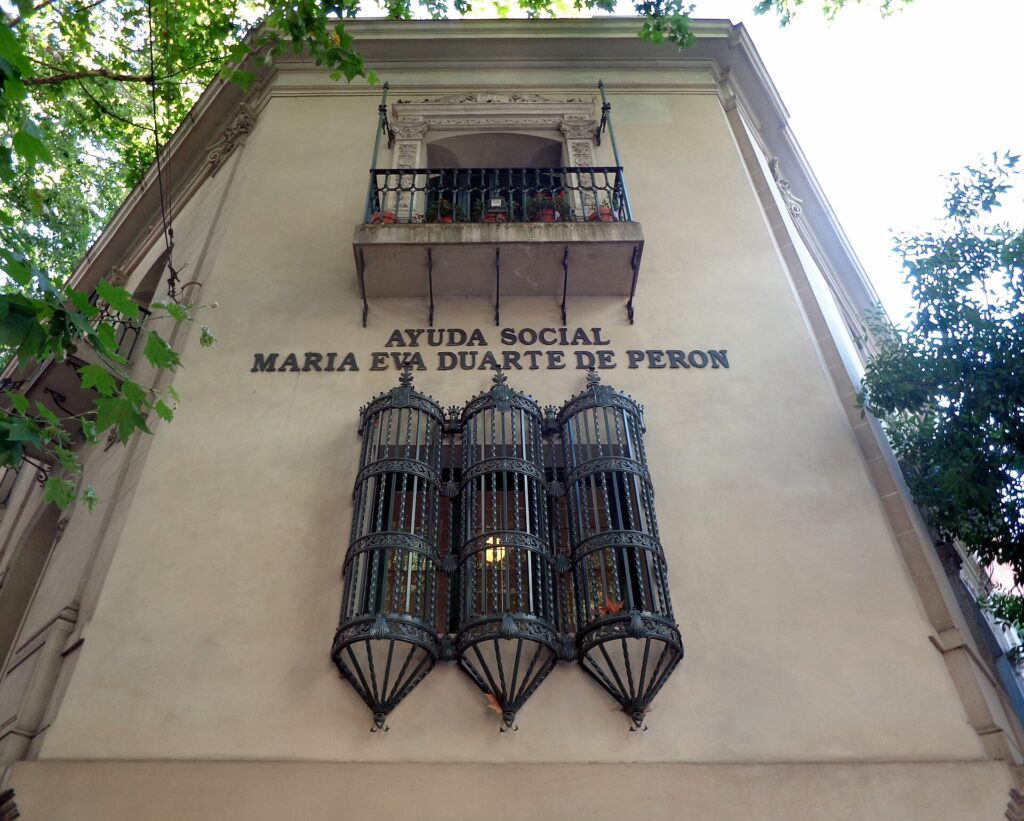
Museo Evita is housed in a building in the Palermo neighborhood of Buenos Aires, an area known for its cultural activity and residential charm. The setting allows the museum to be accessible within the urban fabric of Argentina’s capital without overwhelming visitors with crowds typical of more centrally located tourist destinations. The building itself is adapted to accommodate the exhibitions, incorporating various gallery spaces and an auditorium for occasional lectures or screenings.
The use of the physical space supports the museum’s biographical narrative style, with rooms arranged thematically rather than strictly chronologically. This layout can foster reflective visits, encouraging visitors to dwell on particular episodes of Evita’s life and their cultural resonance.
Visitors should be aware that the museum, while devoted to a single historical figure, is not a large institution in terms of exhibition space. Its strength lies in the depth and focus of its material rather than grand scale. The intimate setting can be a positive feature, allowing detailed and carefully curated presentations.
Practical Information
Those interested in visiting Museo Evita should consult the official museum website or other direct sources for the most current information on hours, admission fees, and accessibility options. Details such as guided tours or audio guides might be limited or subject to periodic changes, so verifying these aspects ahead of time is advisable.
The museum location in Palermo is generally reachable via public transportation in Buenos Aires. Given the specialized nature of the institution, it can be less crowded than some of the city’s larger museums, though this may vary by season or special events.
Visitors planning a comprehensive itinerary including Museo Evita should be mindful that the content is focused and thematic, so it pairs well with broader visits to other Buenos Aires museums or cultural sites that offer larger overviews of Argentine or Latin American history.
Why Visit
Museo Evita offers a meaningful encounter with one of Argentina’s most controversial and compelling historical figures. It is a place for learning about the intersections of personal biography and political history through carefully assembled materials that illuminate the life of Eva Perón beyond the myths and popular culture references.
For those interested in political history, social welfare, or gender roles in Latin America, the museum provides insight into how Evita’s work affected millions and how her memory continues to influence Argentine society. It goes beyond a celebratory narrative to present a nuanced picture that acknowledges complexity in both historical interpretation and legacy.
While not a place for casual audiences unfamiliar with Argentine history, readers with some background or curiosity about the region’s 20th century will find the museum rewarding. It suits thoughtful visitors prepared for a focused, sometimes reflective experience rather than a broad sweep of national history.
In summary, Museo Evita is a specialized institution that anchors its importance in the detailed examination of a single life with wide-reaching effects. Its modest scale and thematic concentration make it a distinctive stop in Buenos Aires for those who want to engage with Argentine history on a personal and political level. Checking official sources for the most up-to-date visitor information is essential before planning a visit.