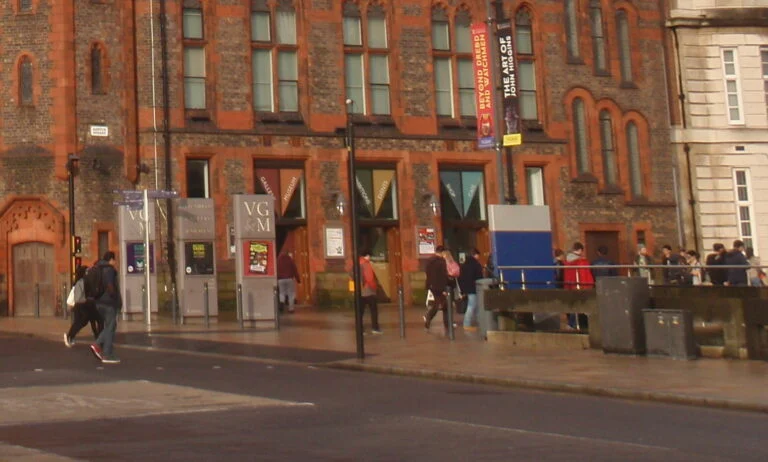
International Slavery Museum
Liverpool, United Kingdom. The International Slavery Museum in Liverpool, United Kingdom, is a history and social justice museum dedicated to examining the transatlantic slave trade and its enduring global legacy. As part of Liverpool’s maritime heritage complex,…
Best forMuseum lovers, culture travelers, first-time visitors
Setting / nearbyLiverpool, United Kingdom
Overview
The International Slavery Museum in Liverpool, United Kingdom, is a history and social justice museum dedicated to examining the transatlantic slave trade and its enduring global legacy. As part of Liverpool’s maritime heritage complex, the museum addresses Liverpool’s role as a major port in the slave trade and explores the broader effects of slavery and abolition on societies worldwide. Rather than presenting a conventional celebratory local history, the museum foregrounds difficult themes such as human suffering, resistance, and memory. It engages visitors with a critical view of the historical and contemporary dimensions of slavery, including its long-term impact on racial inequalities and social justice issues. The museum’s focus extends beyond the historical narrative to highlight connections with current human rights debates through education and reflection.
Collection Highlights
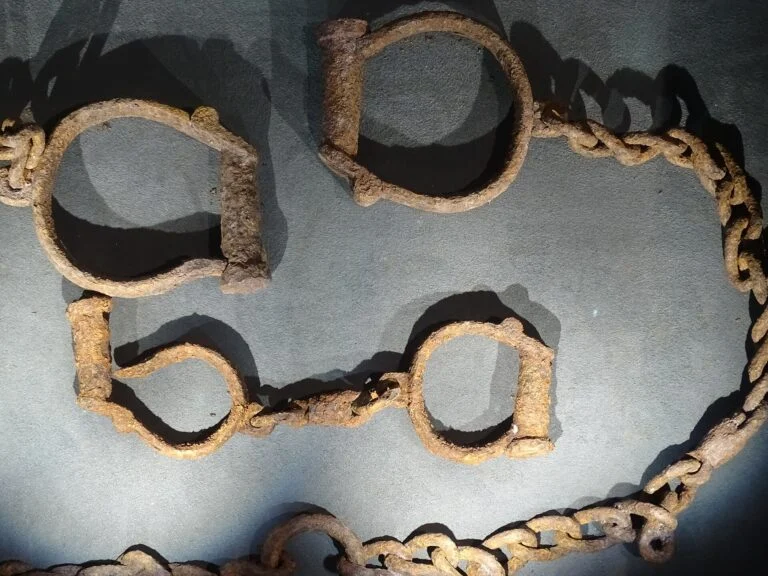
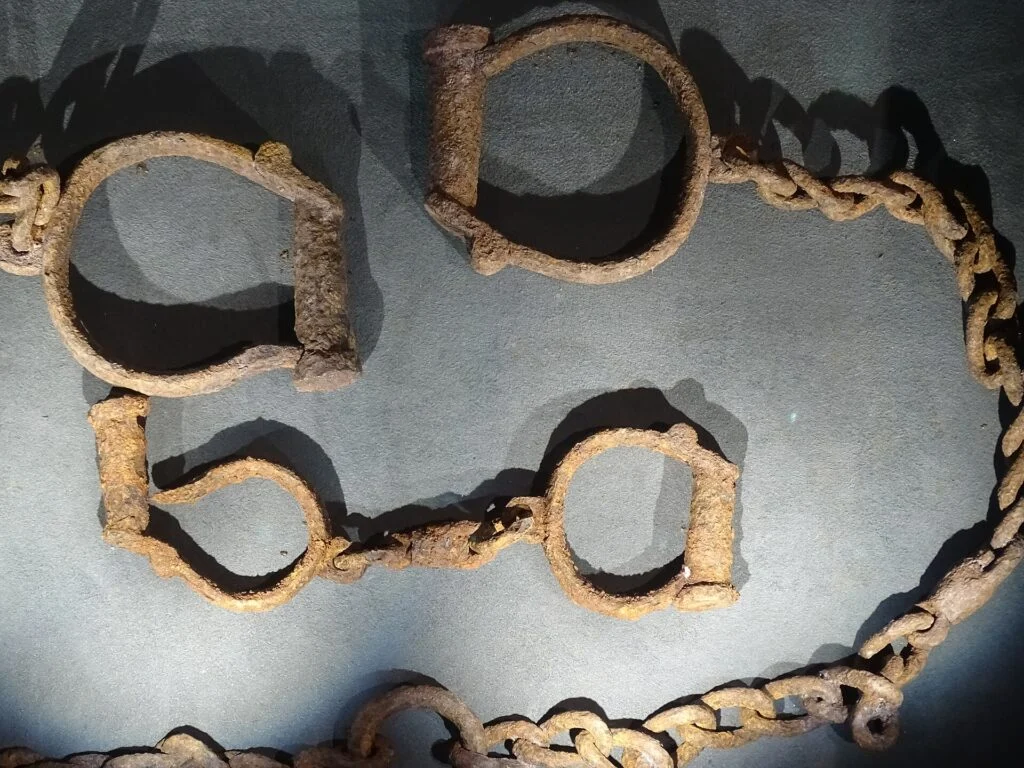
At the heart of the museum’s collection are artifacts, documents, images, and personal stories related to the transatlantic slave trade. This includes maps and ship manifests that trace the routes used in the triangular trade connecting Europe, Africa, and the Americas. Visitors can see reproductions of ship models that demonstrate the conditions enslaved Africans endured during the Middle Passage. The exhibits further detail the role of Liverpool merchants and ships in the trade and include records such as letters and business documents.
A significant portion of the collection also addresses the experiences and voices of the enslaved. Some displays focus on cultural survivals from African peoples, their resistance to enslavement, and the ways enslaved people shaped societies in the Americas despite oppression. The museum presents oral histories and biographies that document both the trauma of slavery and the achievements of descendants.
Additionally, the museum explores abolition movements and their complex histories. There are exhibits examining the political, economic, and social struggles that influenced the gradual end of legal slavery in the British Empire and beyond. The museum finishes with exploration of contemporary legacies, including discussions of racism, identity, and heritage, encouraging visitors to connect historical events with present-day consequences.
Building and Setting
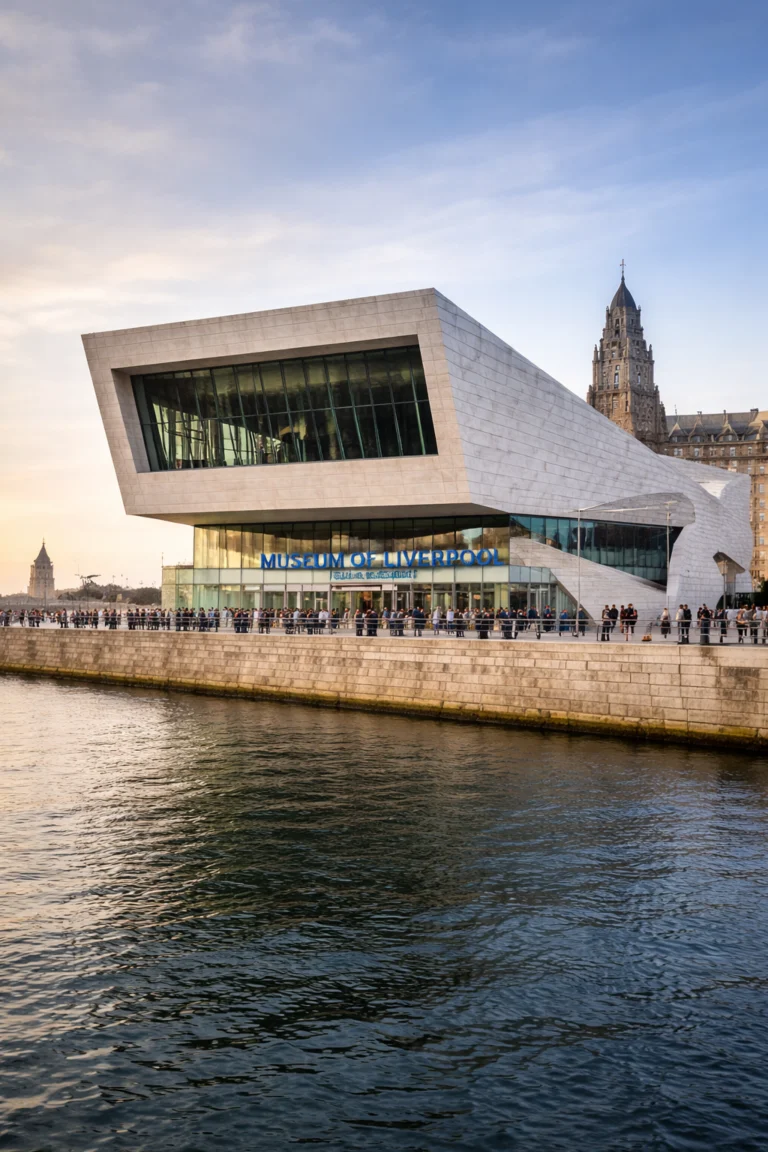
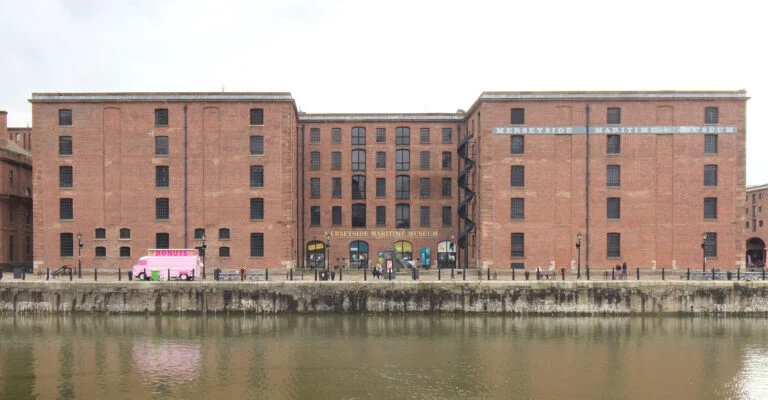
Located on Liverpool’s Albert Dock, the International Slavery Museum is part of a larger heritage area that includes maritime and local history museums. The dock itself is a historical site, once a hub of commercial shipping that was tied deeply to the slave trade economy. The museum’s position in this area invites visitors to reflect on how the built environment relates to the history it presents. The architecture includes modern and historical elements, with gallery spaces that are designed for both display and reflection.
The museum’s layout is structured to guide visitors through different thematic zones, such as the origins of slavery in Africa, the transatlantic trading network, life under enslavement, the abolition movements, and legacy discussions. The thoughtful use of space and multimedia aims to create a contemplative atmosphere, balancing informative content with emotional engagement. While the site is publicly accessible and open to a broad audience, the atmosphere might feel intense or challenging for some due to the nature of the subject matter.
Practical Information
Prospective visitors should check the museum’s official website to confirm current opening hours, admission policies, and any visitor requirements such as advance booking or timed entry. Information about group visits, educational programs, and any accessibility accommodations would also be detailed there. The museum is situated in a central area of Liverpool, within walking distance from other cultural attractions and transportation links. This makes it suitable for combining with other visits in the city.
Because the museum covers sensitive topics, visitors may want to prepare for emotionally intense content. Individual responses to the material will vary, and the museum offers informational support within its galleries. It is advisable to allocate enough time to explore the exhibits without rush, as hurried visits may reduce the depth of understanding and reflection this subject demands.
Why Visit
Visiting the International Slavery Museum offers an opportunity to engage with a crucial, though often difficult, chapter of world history in a setting closely linked to the story it tells. The museum is particularly relevant for those interested in maritime history, global trade networks, human rights, and social justice. It stands out for its commitment to confronting the challenging aspects of Liverpool’s and Britain’s involvement in slavery, rather than glossing over them.
The museum’s strength lies in combining factual, archival material with personal and cultural narratives to present a fuller picture of slavery’s impact. It asks visitors to consider not only past injustices but also how those events continue to affect societies today. This connection between history and the present can provoke thoughtful discussions and reflection, making the museum a meaningful visit for educators, students, researchers, and the general public alike.
At the same time, the museum’s scope is focused mostly on the transatlantic slave trade and its aftermath, so those seeking information on other forms of slavery—historical or modern—may find only partial coverage here. Its location within Liverpool also means that some knowledge of British and European history could enhance a visitor’s understanding of the narratives presented.
In summary, the International Slavery Museum provides a rigorous and respectful examination of a complex subject. It invites visitors to reckon with difficult histories and consider their ongoing repercussions. It is a cultural institution that prioritizes education and dialogue, encouraging a thoughtful and informed engagement with the legacies of slavery.