National Museum of Asian Art Review
Art Museums · Washington, D.C., United States. The National Museum of Asian Art in Washington, D.C., represents a significant cultural institution dedicated to the diverse artistic heritage of Asia. It operates under the umbrella of the Smithsonian Institution, which lends it…
Art Museums · Washington, D.C., United States. The National Museum of Asian Art in Washington, D.C., represents a significant cultural institution dedicated to the diverse artistic heritage of Asia. It operates under the umbrella of the Smithsonian Institution, which lends it…
Best forArt lovers, visual culture, architecture
Review focusCollections, curatorial focus, and visitor planning
Historical Context
The National Museum of Asian Art in Washington, D.C., represents a significant cultural institution dedicated to the diverse artistic heritage of Asia. It operates under the umbrella of the Smithsonian Institution, which lends it both institutional gravitas and a responsibility to present art within a broad public and academic context. This museum stems from a long history of collecting and displaying Asian art in the United States, an evolution that reflects changing scholarly interests and public appreciation of Asian cultures. Founded through the merging of two prominent collections—the Freer Gallery of Art and the Arthur M. Sackler Gallery—it brings together a wide-ranging array of artifacts whose origins span thousands of years and multiple regions across Asia.
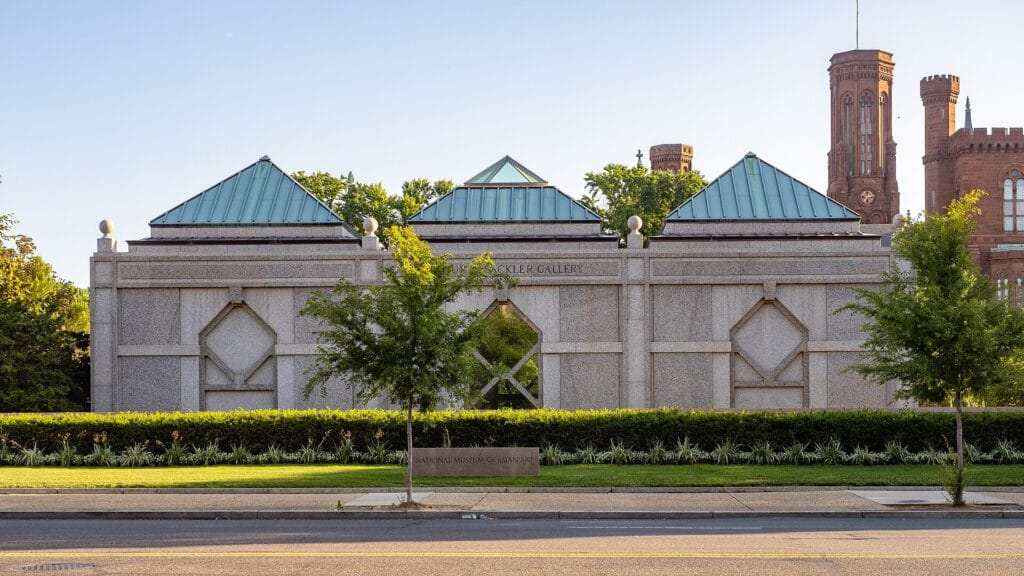
The Freer Gallery, opened in 1923, initially focused on East Asian art, with its founder Charles Lang Freer’s collection emphasizing Chinese ceramics, paintings, and calligraphy, along with objects from Japan and Korea. The 1987 establishment of the Sackler Gallery expanded the museum’s reach geographically and temporally, adding South and Southeast Asian works alongside Islamic and Himalayan art. This dual structure means the National Museum of Asian Art provides a layered narrative of Asian civilizations through objects but also highlights the collecting and curatorial philosophies shaped by Western patrons and institutions. Its presence in Washington situates Asian art within the nexus of American cultural diplomacy and education, aiming to foster cross-cultural understanding in the capital’s highly international environment.
What You See on Arrival
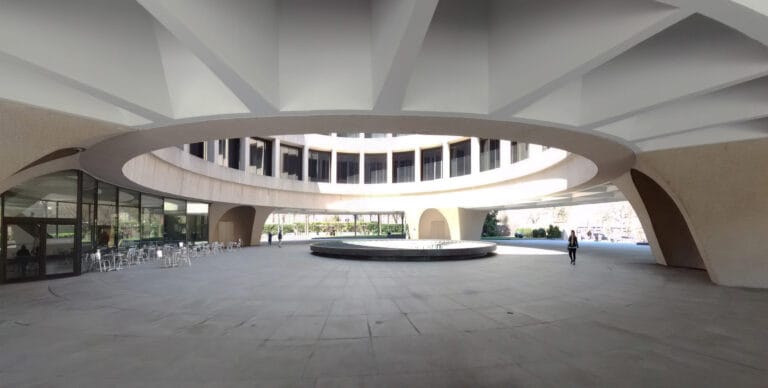
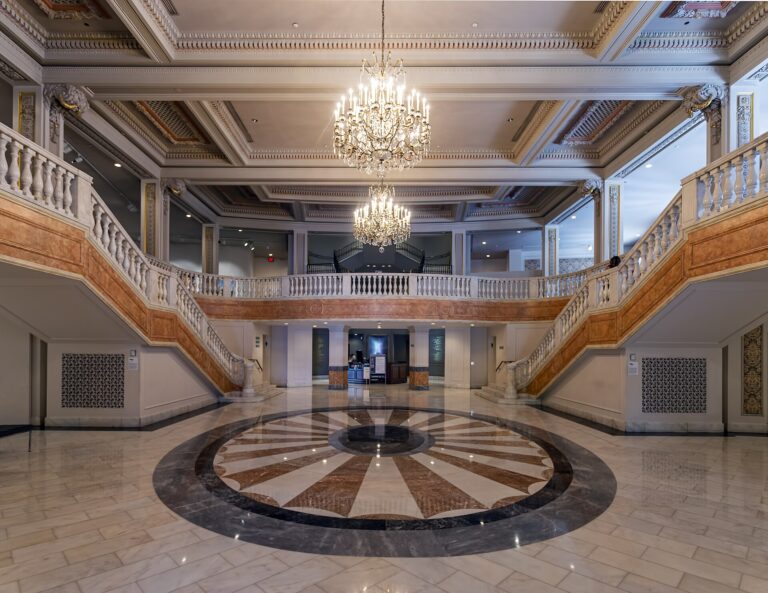
Approaching the National Museum of Asian Art, visitors first encounter the Freer Gallery’s distinctive yet understated Renaissance Revival façade set on the National Mall. The building’s relatively low profile blends into its surroundings, reflecting both its earlier 20th-century design and the museum’s scholarly origins. Beyond the Freer Gallery lies the Sackler Gallery, connected by a glass-roofed atrium that immediately signals a progression into a larger, more modern exhibition space. This architectural sequence frames the visitor’s journey through time and geography, moving from a more intimate, traditionally arranged setting to a space that allows for greater spatial variety and thematic grouping.
The museum’s identity is subtly conveyed upon arrival: it does not rely on grandiose or overt branding but rather on an invitation to engage with a complex and nuanced cultural legacy. The signage and entry experience are straightforward, emphasizing the Smithsonian association but avoiding overly commercialized touches. Visitors can anticipate a quieter, more reflective atmosphere compared with busier galleries on the National Mall. In practical terms, the main entrances and typical visitor routes encourage a linear exploration, although the two connected buildings offer opportunities to move between areas dedicated to different Asian regions and historical periods.
Highlights and Key Exhibitions
The National Museum of Asian Art’s permanent collection spans a remarkable range of artistic traditions, materials, and historical eras. Within the Freer Gallery, a critical focus lies on Chinese art from the early Neolithic period through the Qing dynasty. This includes early pottery, ritual bronzes, jade carvings, and finely crafted ceramics. The museum’s holdings in Chinese painting and calligraphy are particularly strong, presenting works by key artists and schools. Notable pieces include delicate painted scrolls capturing both courtly life and literati expression, reflecting the museum’s strength in connoisseurship of classical East Asian art forms.
Japanese art occupies an important place as well, notably through collections of Edo period woodblock prints, ceramics, and decorative arts. The Sackler Gallery complements this with significant South Asian holdings, featuring classical sculptures from India’s Gupta and Chola periods, as well as artifacts relating to Buddhism and Hinduism. Southeast Asian art is also represented through bronze statuary and ritual objects from Thailand, Cambodia, and Indonesia, creating a broad geographic and cultural sweep.
Islamic art, displayed primarily in the Sackler Gallery, includes ceramics, textiles, metalwork, and manuscripts that document centuries of artistic exchange across Asia and the Middle East. The contrast between the different galleries allows visitors to appreciate regional distinctions alongside cross-cultural influences, such as the transmission of styles and motifs along trade routes.
This museum’s collection excels in presenting objects within their historical and cultural frameworks, typically accompanied by detailed labels and exhibition texts. Scholars and students of Asian art will find the collection a valuable resource, given the depth and quality of objects like Chinese porcelains or Indian stone sculptures.
While the museum’s emphasis is on classical and historical art, the range occasionally feels weighted toward earlier periods and elite materials. Modern and contemporary Asian art receive less attention, which may limit the narrative for visitors interested in present-day artistic developments or diasporic Asian identities. Furthermore, the museum’s European and American collectors’ perspectives can shape the selection and interpretation of objects, which some visitors may want to keep in mind when considering the museum’s representativeness.
Visitor Experience
For visitors, the National Museum of Asian Art offers a contemplative environment suited to those with some prior interest or curiosity about Asian cultures and art history. The galleries are generally spacious with well-lit cases, allowing for close viewing of detailed works such as paintings, ceramics, and metal objects. The layout promotes sequential viewing, although the division between the Freer and Sackler Galleries means visitors should plan their route to cover the full extent of the collection.
Interpretive materials are thorough and precise, often focusing on formal qualities, historical context, and religious or cultural significance. For non-specialists, this can sometimes feel dense but remains informative and avoids jargon. The museum balances art historical description with cultural background without overwhelming casual visitors. Photography policies are consistent with Smithsonian standards, allowing non-flash photography in most areas, which supports personal engagement and study.
The quieter pace and academic tone may not suit every traveler looking for fast-paced or heavily interactive museum experiences. The museum does not emphasize technology-driven presentations or multimedia installations, preferring its objects to speak for themselves supplemented by conventional didactic panels. This means that while the institution caters well to those with a serious interest in Asian art and history, it may demand patience or preparation from casual visitors or families with young children.
Crowd levels tend to be moderate given the museum’s location and niche, which supports a relaxed visit without major congestion. Those visiting during busy tourist seasons or school holidays might still encounter higher visitor numbers. The museum’s setting in the Smithsonian complex means that visitors who plan to explore several nearby institutions may find it requiring a dedicated segment of their day.
Tickets, Access, and Planning
Admission to the National Museum of Asian Art falls under Smithsonian museum policies, which often include free entry. However, visitors should verify current conditions on the official website, as hours, admission protocols, and visitor services can vary with evolving health or staffing situations. The museum is situated on the National Mall and accessible via public transportation but may require some walking from metro stations or parking facilities.
Details regarding accessibility for visitors with mobility or sensory impairments are managed according to Smithsonian standards; potential visitors should consult official resources to confirm available accommodations. Information about guided tours, special events, or educational programming is typically posted online, so checking ahead can enhance the experience. Because the museum is divided between two buildings and contains many objects displayed with subtlety, visitors planning their time should consider these factors to avoid missing key sections.
Visitor amenities such as dining and retail options exist, but readers should not expect large or elaborate commercial operations typical of bigger museums. These practical aspects, combined with the museum’s scholarly nature, signal that this institution aims more at focused study and appreciation rather than broad entertainment.
Final Verdict
The National Museum of Asian Art in Washington, D.C., serves as a significant institution for the presentation and preservation of Asian art within the United States. Its strength lies in the depth and quality of its collections, particularly in Chinese, Japanese, South Asian, and Islamic art. The museum offers a valuable resource for enthusiasts, scholars, and visitors willing to engage thoughtfully with the material.
However, the museum’s structure and focus also come with some limitations. Its emphasis on historical and classical art, often collected through early 20th-century Western patronage, provides a somewhat circumscribed view of Asia’s vast artistic diversity. Those interested in contemporary Asian art or wider cultural narratives may find the offerings less satisfying. Furthermore, its scholarly and subdued exhibition style may not appeal to all audiences, especially those accustomed to more dynamic or interactive museum experiences.
Overall, this museum works best for visitors who approach it as a place of study and appreciation of Asian artistic traditions. It fits well within Washington’s constellation of cultural institutions, providing an authentic, if specialized, window on Asia that complements rather than competes with larger, more general museums nearby. For practical concerns such as schedules and visitor services, potential guests should consult official sources before planning their visits. In summary, while not a universally broad museum, the National Museum of Asian Art fulfills a distinct role in cultural preservation and education in the nation’s capital.