National Museum of Asian Art
Art Museums · Washington, D.C., United States. The National Museum of Asian Art in Washington, D.C. is a prominent art museum dedicated exclusively to the wide artistic traditions of Asia. Situated in the heart of the United States capital, this museum…
Best forArt lovers, visual culture, architecture
Setting / nearbyWashington, D.C., United States
Overview
The National Museum of Asian Art in Washington, D.C. is a prominent art museum dedicated exclusively to the wide artistic traditions of Asia. Situated in the heart of the United States capital, this museum explores centuries of cultural expression from regions as diverse as South Asia, East Asia, Central Asia, and Southeast Asia. Its mission includes preserving, studying, and presenting works of art that represent the history, beliefs, and creativity of Asian civilizations. Unlike museums that exclusively focus on one country or period, it offers a broad geographical and chronological scope that highlights the interconnections and distinctiveness across Asia’s vast cultural landscapes.
As part of the Smithsonian Institution, the museum holds a notable place in the American arts and culture scene, attracting both scholars and casual visitors with its varied exhibitions and collections. This museum is not focused solely on traditional artworks but also includes contemporary pieces that engage with Asian heritage and global artistic dialogues. The National Museum of Asian Art serves as an educational resource that encourages understanding and appreciation of Asian cultures through their artistic achievements.
Collection Highlights
The museum’s collection spans thousands of years and includes thousands of objects ranging from ancient ceramics and textiles to classical paintings and intricate sculptures. Its South Asian holdings contain examples of Hindu and Buddhist art, including stone sculptures, manuscripts, and ritual objects. East Asian art is strongly represented with Chinese calligraphy and paintings, Korean ceramics, and Japanese prints and screens. The collection also includes significant pieces from Central Asian cultures, though these may be less extensive.
One of the remarkable features of the museum’s collection is its range of Buddhist art, which appears in various forms across different Asian regions. Visitors can see sculptures and painting styles that reflect religious as well as artistic traditions, revealing the broad influence of Buddhism in Asia’s history. The museum also organizes exhibitions that bring works from its permanent collection into dialogue with contemporary Asian and diasporic artists, providing a platform for understanding how traditional forms continue to inspire new creative expression.
The collection’s breadth offers insight into the craftsmanship and symbolism embedded within each object. For example, ceramics from different Asian countries demonstrate distinct glazing techniques and designs that evolved over centuries. Manuscripts and scrolls give visitors an opportunity to observe traditional materials and calligraphy styles that communicate both textual information and aesthetic values. While extensive, the collection naturally cannot cover every artistic tradition in Asia comprehensively but succeeds in presenting a careful selection that conveys key themes and artistic achievements.
Building and Setting
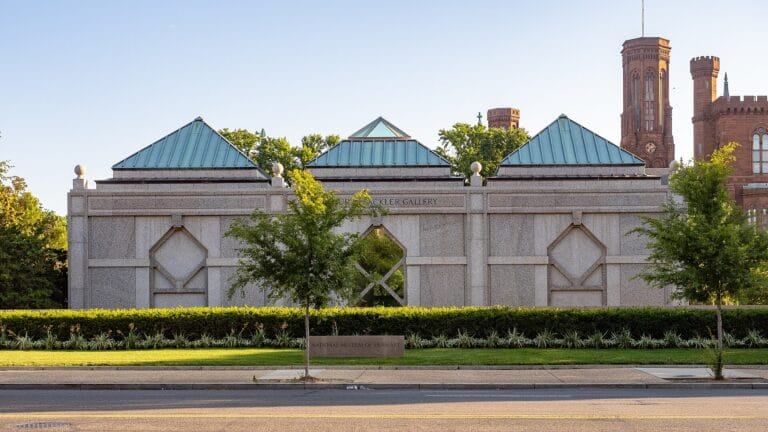
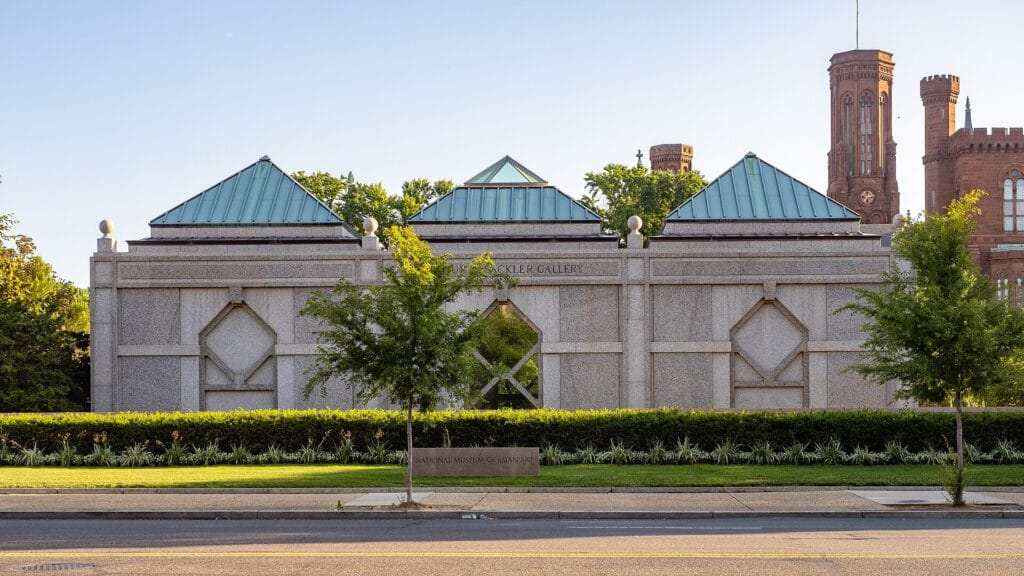
Housed on the National Mall, the museum shares its location with several of Washington’s major cultural institutions. Its position makes it accessible to visitors exploring the central area of the capital dedicated to museums and memorials. The physical buildings themselves reflect a mix of design approaches, combining classical elements with galleries adapted for the specific needs of Asian art conservation and display.
The spaces within the museum are arranged to accommodate a variety of exhibition formats, including permanent installations and changing shows. Galleries vary from intimate rooms suitable for delicate paintings and small sculptures to larger halls that allow the display of sizable objects and groupings. While the museum focuses on its artistic holdings, the environment also supports educational programming and research, with spaces for study and multimedia presentations.
The immediate setting on the National Mall places the museum within an area characterized by public accessibility and cultural significance. Surrounding institutions focused on history, art, and science create a broader context for visitors interested in American and global heritage. The museum’s location encourages visitors to integrate an understanding of Asian art within a wider cultural visit to the capital.
Practical Information
Prospective visitors should verify the latest information before planning a visit to the National Museum of Asian Art. Details concerning opening hours, ticketing policies, special exhibitions, guided tours, audio guides, parking, and accessibility are subject to change and may vary seasonally or due to operational considerations. Checking the museum’s official website or contacting the institution directly is advisable for the most current information.
The museum typically does not charge an admission fee, consistent with Smithsonian Institution policy. Nonetheless, some temporary exhibitions or special programming might have separate entry conditions. Visitors might want to consider the timing of their visit, as weekends or holidays can be particularly busy, which affects gallery crowding and overall experience.
Visitors should also be prepared for the usual museum protocols such as restrictions on photography, rules for handling objects, and potential limitations on food and drink. Planning a visit to accommodate time for both viewing the collection and potentially attending related events can be beneficial, particularly for those with a deep interest in Asian art or those visiting for research purposes.
Why Visit
The National Museum of Asian Art holds significance as a dedicated space for the appreciation and study of Asian artistic traditions in the United States. It offers visitors both a broad overview and detailed encounters with diverse cultures across Asia, showing how art serves as a medium for cultural expression and continuity. For those interested in historical artworks, the museum provides access to objects that reflect religious, philosophical, and social values from various regions and periods.
It also suits visitors who appreciate artistic craftsmanship, as the range of mediums includes ceramics, textiles, metalwork, paintings, and calligraphy, revealing technical skill alongside aesthetic beauty. The museum’s blend of permanent collections and temporary exhibitions can engage those looking to deepen their understanding of Asian art as a living tradition, connected to contemporary artistic practices.
However, visitors primarily seeking an exhaustive presentation of all Asian cultures might find the scope selective. The museum’s focus remains on curated highlights that tell well-considered stories rather than an encyclopedic display. This approach supports a more focused engagement but may require multiple visits or research beyond the museum for those pursuing comprehensive familiarity with Asian art history.
In addition, the museum’s location in Washington, D.C., makes it part of a wider cultural itinerary. It can fit well within a visit that includes other national museums and landmarks, allowing an exploration of art alongside political and historical narratives. For educators, students, specialists, or anyone curious about the artistic heritage of Asia, this museum offers a substantial resource that balances scholarly and public interests.
The National Museum of Asian Art, through its collections and institutional objectives, invites reflection on the cultural richness and artistic achievements of Asia. Its careful curation and accessible setting contribute to ongoing conversations about global art histories and cultural connections. Visitors approaching the museum with an open mind and interest in Asian cultures are likely to find both inspiration and information within its walls.
For the most accurate and up-to-date visitor details, consult the official website of the National Museum of Asian Art before planning your visit.