Museu Afro Brasil Emanoel Araujo
São Paulo, Brazil. The Museu Afro Brasil Emanoel Araujo is an art museum located in São Paulo, Brazil, that centers on the cultural, historical, and artistic contributions of the African diaspora in Brazil. It occupies a distinctive…
Best forMuseum lovers, culture travelers, first-time visitors
Setting / nearbySão Paulo, Brazil
Overview
The Museu Afro Brasil Emanoel Araujo is an art museum located in São Paulo, Brazil, that centers on the cultural, historical, and artistic contributions of the African diaspora in Brazil. It occupies a distinctive position within the city’s museum landscape by focusing explicitly on Afro-Brazilian identity, heritage, and experiences. This focus extends beyond art to embrace anthropology, history, and sociology, adopting a multidisciplinary approach that broadens the museum’s narrative scope.
Founded in 2004, the institution is named in honor of Emanoel Araújo, an artist and curator who played a key role in its creation and development. The museum is associated with the Instituto Cultural Afro Brasil, a foundation dedicated to promoting African-Brazilian culture, which supports collections, exhibitions, and research. This museum is one of the few in Brazil with a specific commitment to the story and legacy of Afro-Brazilian peoples, providing context to Brazil’s complex racial and cultural dynamics.
This museum is especially significant in São Paulo, a city with a large and diverse population, including a considerable Afro-Brazilian community. Through its exhibitions and public programming, the Museu Afro Brasil encourages reflection on questions of identity, memory, and social justice, themes that resonate beyond Brazil’s borders and touch on broader issues related to race and post-colonial societies.
Collection Highlights
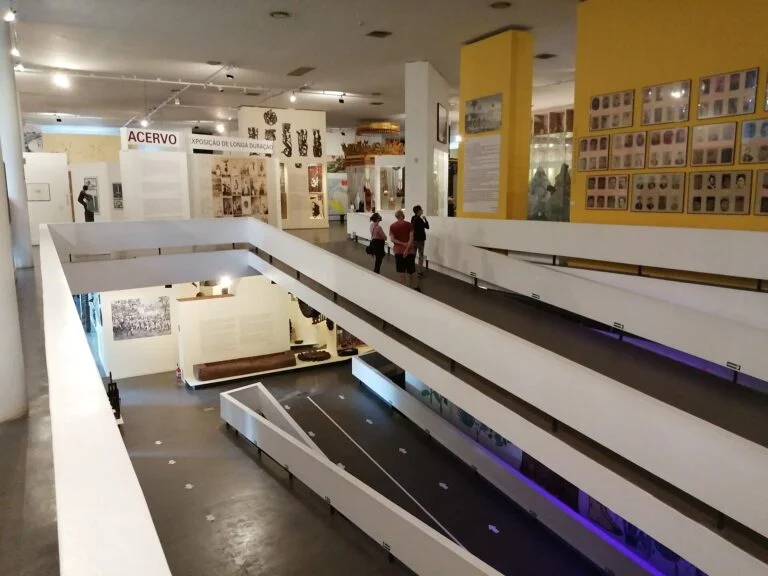
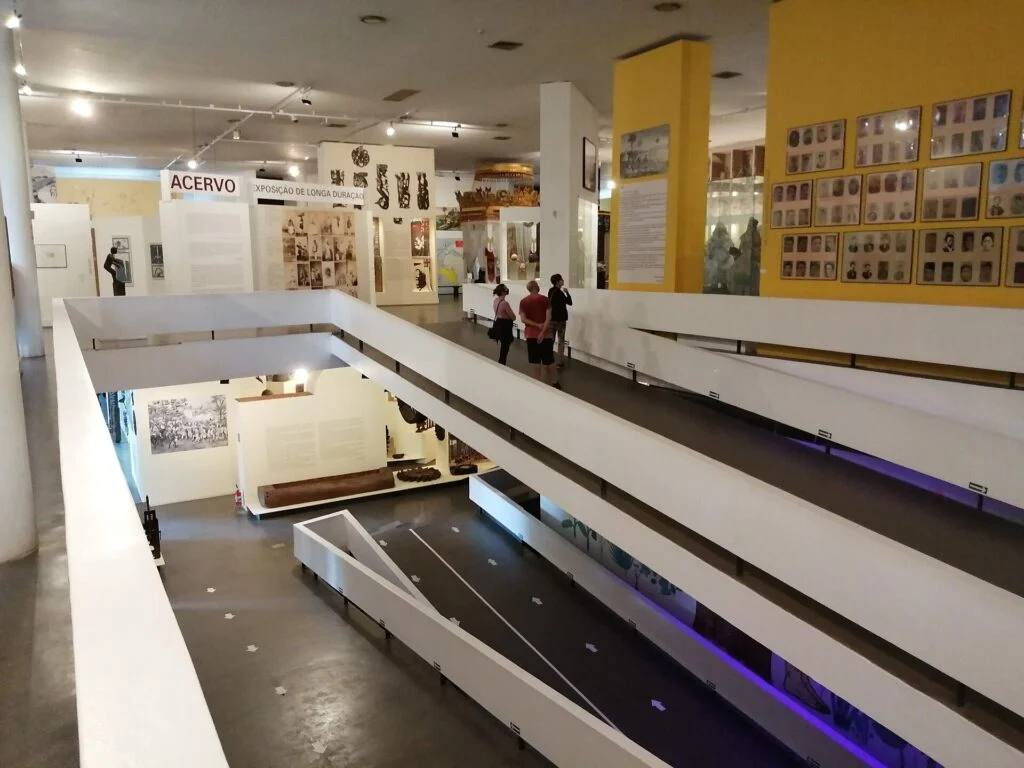
The Museu Afro Brasil’s collection is notably wide-ranging and includes over 6,000 objects. It spans several centuries and various media, providing a rich tableau of Afro-Brazilian culture and history. Visitors can expect an array of artistic works such as paintings, sculptures, photographs, and textiles. The collection also includes ethnographic artifacts, religious items, musical instruments, and documents that reveal the diverse ways Afro-Brazilian cultures have expressed themselves artistically and socially.
Among the art collection, portraits and figurative works illustrate the visibility and portrayal of Afro-Brazilian individuals and communities, sometimes challenging dominant perceptions in mainstream Brazilian art history. Religious and ritual artifacts, drawing from Afro-Brazilian religions like Candomblé and Umbanda, offer insight into spiritual practices that blends African traditions with indigenous and Catholic influences. These items help illuminate the syncretic religious culture that is central to Afro-Brazilian identity.
The collection also features objects related to the history of slavery and resistance in Brazil. Through these, the museum addresses difficult chapters of Brazilian history, including the transatlantic slave trade, the lives of enslaved people, and movements for freedom and civil rights. These historical artifacts contribute to a narrative that is both sobering and vital, framing the ongoing impact of this history.
The museum regularly updates its exhibitions, so visitors will find curated shows that focus on specific themes, contemporary perspectives, or individual artists. This programming aims to engage with current debates about race, culture, and art, enhancing the collection’s relevance for today’s audiences.
Building and Setting
The Museu Afro Brasil is housed in the Parque Ibirapuera, São Paulo’s main urban park, which is a significant cultural and recreational area in the city. This setting situates the museum amid a natural environment popular with locals and tourists alike. The park itself contains other important cultural institutions, contributing to a cluster of venues that support the city’s vibrant cultural life.
The museum building is a modernist structure, designed with strong geometric lines and functional spaces appropriate for exhibitions of various sizes and types. Its design supports both the display of large-scale artworks and more intimate objects, with well-lit galleries and thoughtfully arranged visitor circulation. The building’s relationship to the park’s green spaces adds to the visitor experience, offering opportunities to combine cultural visits with walks or relaxation outdoors.
Being located in a large public park provides a certain leisure dimension to the visit but may also affect visitor flow and access depending on the day or event schedules in the park. This setting reflects an effort to integrate cultural heritage within broader public life rather than isolating it in a standalone museum district.
Practical Information
Specific details about visiting the Museu Afro Brasil should be confirmed via the museum’s official website or trusted local sources before planning a visit. Information such as opening hours, ticketing, available tours, accessibility accommodations, and special event schedules can vary and may be subject to change. This caution is important to ensure a smooth visit.
Tickets may be required for admission, though policies on pricing, eligibility for discounts, or free access days should be checked in advance. Similarly, the availability of guided tours, multilingual materials, or audio guides can depend on current museum programming and staffing.
The location within Parque Ibirapuera means that access can be through several park entrances. Public transportation options are extensive in São Paulo, but visitors need to plan accordingly, as the park spans a large area, and parking availability may fluctuate depending on park events or local traffic conditions.
Visitors interested in the thematic focus of the museum should also consider the nature of exhibitions that may be on display during their visit. While the permanent collection offers a comprehensive overview, temporary exhibitions might delve into contemporary issues or specific artists that can enrich understanding but may require extra time to fully appreciate.
Why Visit
The Museu Afro Brasil offers an opportunity to engage with one of Brazil’s essential cultural narratives—one that has often been marginalized or overlooked in mainstream historical and artistic accounts. For visitors interested in Afro-Brazilian culture, history, and art, the museum provides a level of depth and focus not commonly found elsewhere in the city.
It is particularly valuable for those wanting to understand contemporary Brazilian society through the lens of race and identity, as the museum foregrounds themes that remain socially and politically significant. The museum’s commitment to both historical and contemporary perspectives on Afro-Brazilian life makes it a resource for educators, researchers, and culturally curious visitors alike.
The museum is suited to those who appreciate museums with a strong educational component that combines art and social history. Its displays are designed to provoke thought and dialogue rather than serve only as aesthetic exhibitions, making it a space for engagement as well as appreciation.
At the same time, the museum’s specific focus means that it might not appeal to visitors whose interests are limited to other artistic traditions or broader surveys of Brazilian art without particular attention to Afro-Brazilian heritage. It works best as part of a broader cultural itinerary that includes multiple perspectives to gain a fuller picture of Brazil’s cultural mosaic.
In summary, the Museu Afro Brasil Emanoel Araujo offers a valuable cultural experience rooted in the histories and expressions of Afro-Brazilian communities. Its collection and mission provide insight into a vital aspect of Brazilian culture while encouraging reflection on issues of identity, memory, and social justice. Visitors interested in these themes and in the arts will find it a thoughtful and informative destination in São Paulo.