Barnes Foundation
Philadelphia, United States. The Barnes Foundation is an art museum located in Philadelphia, United States, recognized for its distinctive approach to art education and an unparalleled collection of early modern and impressionist paintings. Founded by Dr. Albert…
Best forMuseum lovers, culture travelers, first-time visitors
Setting / nearbyPhiladelphia, United States
Overview
The Barnes Foundation is an art museum located in Philadelphia, United States, recognized for its distinctive approach to art education and an unparalleled collection of early modern and impressionist paintings. Founded by Dr. Albert C. Barnes in the early 20th century, the institution was conceived more as a learning environment than a traditional gallery. Its guiding principle has been to display artworks in a context that emphasizes aesthetics and visual relationships rather than chronological or academic categories. This approach allows visitors to encounter art in a way that encourages direct and intuitive response, largely free from formal art historical narratives.
Originally established in Merion, Pennsylvania, the Barnes Foundation relocated to Philadelphia’s Benjamin Franklin Parkway in 2012, situating itself in a cultural hub near other notable museums. This move sparked considerable discussion, reflecting tensions between maintaining the founder’s vision of a carefully arranged, educational space and expanding public accessibility. Today, the museum operates as a private educational institution as well as a public art space, retaining both a focus on education and a commitment to public engagement.
Collection Highlights
The Barnes Foundation’s collection is widely recognized for its strength in Impressionist, Post-Impressionist, and early Modern paintings. It includes works by artists such as Renoir, Cézanne, Matisse, Picasso, and Modigliani, among others. While these names are familiar, the collection’s distinctive character lies in how these works are presented together. Rather than grouping by artist or era, the paintings are arranged to highlight formal qualities such as color, line, and composition. This encourages comparative viewing and a deeper appreciation of artistic techniques and visual dialogue.
In addition to paintings, the collection contains a significant number of African sculptures and Native American ceramics. Dr. Barnes was deeply interested in non-Western art and folk art, and this aspect of the collection reflects his belief that all forms of artistic expression have value and contribute meaningfully to understanding human creativity across cultures.
One famous example is the ensemble of several Renoir nudes grouped on one wall — not necessarily for their chronological or thematic unity, but for their shared exploration of form and color. Cézanne’s landscapes and still lifes are displayed alongside treasures by Picasso and Matisse that challenge the visitor to consider how abstract and representational approaches intersect. The Asian and African arts, relatively rare in American collections of the time, provide a counterpoint to the European works and broaden the visual conversation within the galleries.
The collection’s presentation methods can be striking for those accustomed to museums where works hang against neutral walls with standard labels. Here, paintings are presented salon-style, layered with smaller works interspersed between portraits, landscapes, and decorative arts. Wall finishes and case arrangements are carefully designed to enhance this ensemble experience, though it may feel dense or unconventional to some visitors.
Building and Setting
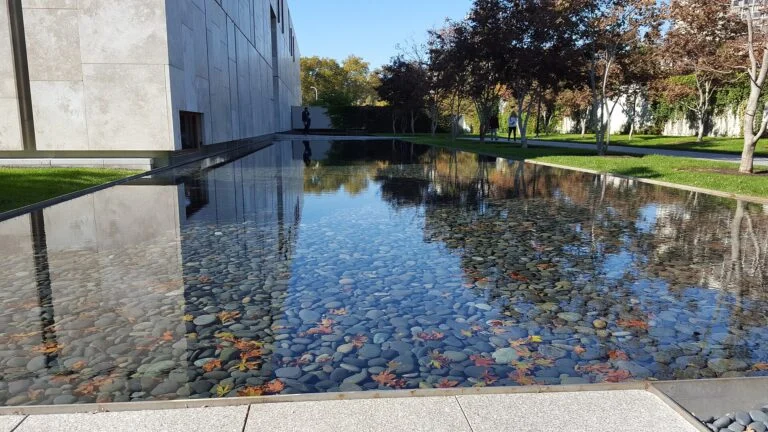
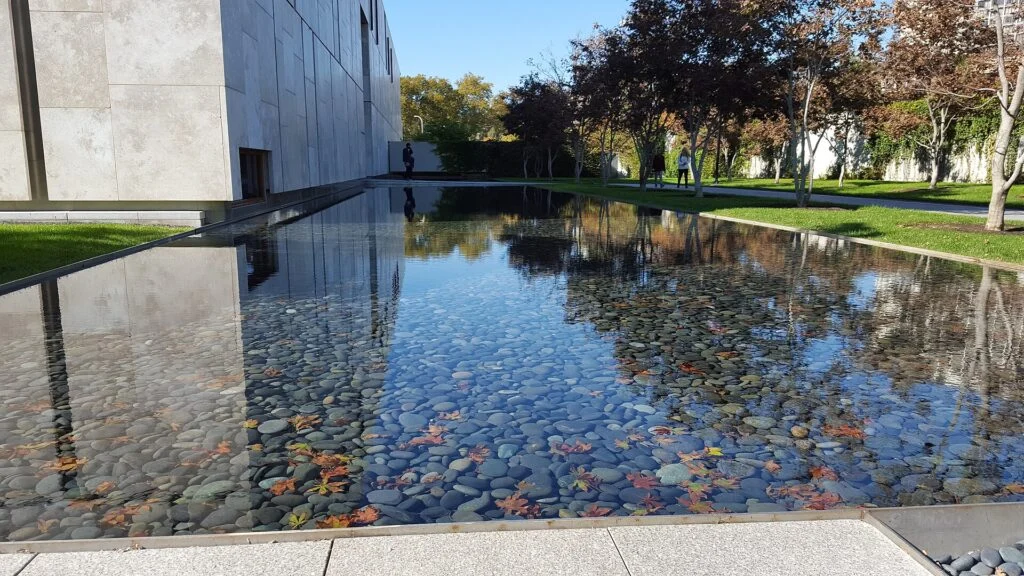
The Barnes Foundation’s building on the Benjamin Franklin Parkway is a modern construction designed specifically for the collection’s unique display requirements. Light and space are carefully controlled to replicate the conditions that Albert Barnes prescribed in his original galleries. Though modern and functional, the building maintains a quiet presence, aiming to serve the artwork rather than overshadow it. The galleries strive to preserve the original “ensemble” approach even as the works are relocated and installed within a new architectural context.
Philadelphia’s Parkway area is home to several major institutions, including the Philadelphia Museum of Art and the Franklin Institute, creating a dense cultural district that attracts a wide range of visitors. The museum’s location facilitates a connection to this larger art community but does mean the Barnes may feel somewhat separate from the intimate domestic atmosphere of its original Merion estate.
Visitors approaching the Barnes will notice the contrast between the contemporary museum environment and the deliberately intimate, salon-style interior arrangement. This duality reflects ongoing efforts to both honor the educational ideals of the founder and ensure the collection remains accessible and engaging for 21st-century audiences.
Practical Information
Given that details such as admission policies, hours, tour availability, and accessibility measures can change, potential visitors should consult the Barnes Foundation’s official website for the most accurate and up-to-date information before planning a visit.
The museum’s approach to guided tours or audio guides may vary. Interested visitors may want to verify whether these services are routinely offered or available only during certain exhibitions or seasons. Ticketing procedures, including timing and advance booking requirements, are similarly best checked directly.
Because the Barnes collection is displayed in a manner requiring thoughtful attention, visitors should prepare for an experience that rewards slower, more contemplative viewing rather than rapid passage through the galleries. Seating areas or rest opportunities may be included to accommodate this style of engagement, but this is subject to current arrangements.
Why Visit
The Barnes Foundation occupies a distinctive place among American art museums due to its unusual history and challenge to conventional museum practices. For visitors interested in early modern art, the collection offers exceptional examples coupled with an opportunity to experience these works as the founder intended: as elements in a visual and educational dialogue.
Those with an interest in art pedagogy and alternative exhibition strategies will find the Barnes particularly rewarding. The collection’s unique arrangement invites reflection on how art can be understood beyond historical or market-driven perspectives. This can provide fresh insights into familiar artists and potentially deepen appreciation of formal qualities often overshadowed by biographical or contextual analysis.
The museum might not be ideal for visitors who prefer a straightforward, chronological overview or those seeking comprehensive narratives about the artists represented. Instead, the Barnes demands and encourages viewers to make their own connections and respond personally to the visual information before them.
While the move to Philadelphia has expanded public accessibility, the Barnes remains somewhat niche in appeal, best suited to visitors willing to slow down and engage with art in an unorthodox setting. It offers a different museum experience, one that resists simply cataloging art history or following prevailing curatorial trends.
In summary, the Barnes Foundation is a place for those who appreciate the challenge and reward of encountering art through a carefully constructed educational framework, where painting, sculpture, and decorative objects come together to foster visual learning and a fresh awareness of artistic relationships.