National Blues Museum
St. Louis, United States. The National Blues Museum in St. Louis, United States, is a cultural institution dedicated to the history and influence of the blues, an American musical genre with origins in African American communities of the…
Best forMuseum lovers, culture travelers, first-time visitors
Setting / nearbySt. Louis, United States
Overview
The National Blues Museum in St. Louis, United States, is a cultural institution dedicated to the history and influence of the blues, an American musical genre with origins in African American communities of the Deep South. This specialized museum acts as a center for exploring the roots, evolution, and enduring impact of blues music, tracing its development through social, cultural, and regional contexts. It seeks to present blues not only as a musical style but as an expressive art form deeply connected to the experiences, struggles, and creativity of generations of musicians and listeners across the country.
Established in recent years, the museum responds to St. Louis’s role as a significant urban hub where blues music flourished, particularly in the 20th century. While the blues historically grew in areas such as the Mississippi Delta, cities like St. Louis contributed to its urbanization and diversification. The museum provides visitors with insight into this transition and the broad reach of the genre. It is best suited for those with interest in American music history, cultural heritage, or the intertwining of art and social movements.
Collection Highlights
The National Blues Museum’s exhibits focus on several key aspects of the blues tradition. It provides historical context about the origins of the blues in the late 19th and early 20th centuries, discussing its roots in spirituals, work songs, and folk traditions of African Americans. The museum sheds light on early blues musicians and the spread of blues styles as they moved from rural to urban settings.
Visitors can expect to see displays that incorporate a variety of media, including audio recordings, video presentations, photographs, manuscripts, and musical instruments. The collection highlights iconic and influential blues artists, both regional and national, tracing their contributions to the genre. Personal artifacts and ephemera complement the sound-centered experience, rendering the musical and cultural narrative more tangible.
One distinctive element is the museum’s attention to the different styles associated with the blues, such as Delta blues, Chicago blues, and St. Louis blues. Exhibits attempt to explain the musical elements that distinguish these variations and how environmental and social factors shaped their evolution. The collection also examines the blues’ impact beyond music, influencing other genres like jazz, rock and roll, and soul.
While specific artifacts are not exhaustively documented here, the museum’s curation suggests a blend of historical materials and interactive displays aimed at both casual visitors and those with deeper knowledge. The inclusion of modern multimedia installations attempts to connect the tradition to contemporary audiences and to illustrate the ongoing relevance of the blues.
Building and Setting
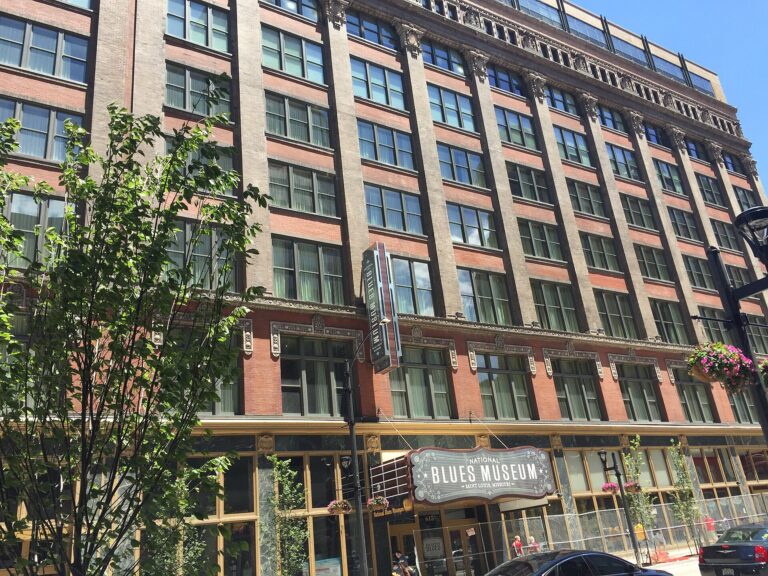
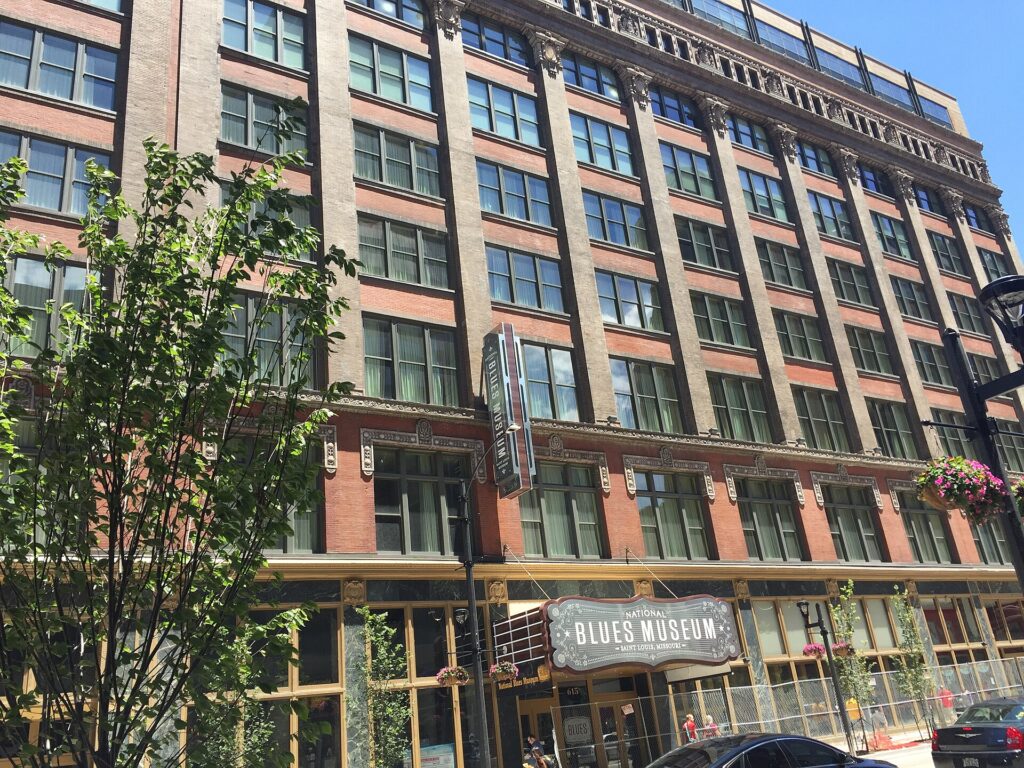
The National Blues Museum is located in downtown St. Louis, a city with its own historic connection to blues music. Its placement in this urban environment situates it near other cultural venues and landmarks. The building itself is a modern structure designed or adapted for the museum’s purpose, with interior spaces arranged to accommodate multi-sensory exhibits and performances.
The setting within the city offers visitors the opportunity to explore the local cultural landscape beyond the museum’s walls, including clubs, music venues, and sites associated with blues history. The museum’s proximity to downtown transport and city infrastructure suggests convenient access, though visitors should check local resources for current information on transportation and parking.
Practical Information
Details about ticketing, hours of operation, admission fees, tours, audio guides, and accessibility options are subject to change and should be confirmed by consulting the museum’s official website before planning a visit. This ensures that visitors have up-to-date information about entry requirements, special exhibitions, public programs, and possible restrictions.
While the museum looks designed to engage a range of audiences—including families, students, music enthusiasts, and researchers—those planning visits with specific needs or interests may wish to inquire directly about available services and facilities. For example, availability of guided tours or interactive programming could vary by season or health guidelines.
Visitors should be aware that while the museum explains blues music through audio-visual and artifact displays, the experience is primarily interpretive rather than performance-based. Scheduled live performances or workshops, if available, would be subject to separate arrangements and should be confirmed in advance.
Why Visit
The National Blues Museum serves as a focused cultural and educational center that offers valuable insight into a uniquely American music tradition. It is an opportunity to understand the social history that shaped the blues and to appreciate its broad influence on popular music. For people interested in American culture, musical heritage, or the stories of African American creativity and expression, the museum provides meaningful context.
The museum’s approach balances the preservation of historical material with interpretive elements aimed at making the blues accessible to a diverse audience. This can help visitors appreciate the complexity of the genre—from its roots in hardship and resilience to its role in artistic innovation. It also stands as a reminder of St. Louis’s place within this narrative.
Nonetheless, those with only a passing interest in music history or with expectations of large-scale exhibitions or frequent live performances might find the museum’s focus somewhat specialized. While it delivers a thoughtful presentation, it does not cater broadly to entertainment or pop culture trends. Visitors seeking extensive musical archives or comprehensive scholarly resources may need to supplement their visit with other institutions or research facilities.
In sum, the National Blues Museum presents a concentrated look at blues music’s story through curated exhibits that emphasize cultural meaning and artistic development. Its urban location offers practical benefits for visitors looking to combine the museum experience with exploration of a city known for its musical heritage. Checking the official website before planning a visit remains advisable to access the latest practical and programming information.