Musée du Luxembourg
Art Museums · Paris, France. The Musée du Luxembourg is an art museum located in Paris, France, with a long history as one of the city's important venues for exhibiting painting, sculpture, and other visual arts. It was originally…
Best forMuseum lovers, culture travelers, first-time visitors
Setting / nearbyParis, France
Overview
The Musée du Luxembourg is an art museum located in Paris, France, with a long history as one of the city's important venues for exhibiting painting, sculpture, and other visual arts. It was originally established in the early 19th century as one of the first public museums in Paris dedicated to living artists, distinct from institutions showing older or classic works. The museum has undergone various changes in focus and management over time, but it typically presents temporary exhibitions of 19th- and 20th-century art, often highlighting impressionism, realism, and modern movements.
This museum is situated within the historic Luxembourg Palace gardens, placing it in a central and notable Parisian cultural and political setting. The Musée du Luxembourg differs from the nearby Musée d’Orsay and the Louvre by offering exhibitions that tend to be more specialized and rotating rather than permanent collections. Its role has been somewhat flexible, adapting to contemporary programming needs and special exhibitions with an emphasis on accessible, curated presentations of key artists and themes.
Collection Highlights
Rather than housing a permanent collection in the traditional sense, the Musée du Luxembourg is best understood as a venue for temporary exhibitions exploring different aspects of 19th- and 20th-century art. Past exhibitions have covered important figures such as Delacroix, Cézanne, and Toulouse-Lautrec, alongside thematic displays of movements like impressionism or symbolism. The museum has also showcased lesser-known artists and fresh curatorial perspectives drawn from the broader history of modern art.
The emphasis on temporary exhibitions means that the specific works on view can vary significantly over time, making prior research based on the current exhibition schedule essential for a well-informed visit. Visitors might encounter paintings, drawings, engravings, and occasionally sculpture or decorative arts, depending on the focus of the exhibition at the time. The museum tends to emphasize quality and scholarly curation, often collaborating with other institutions and lending collections internationally.
Because the Musée du Luxembourg focuses less on a fixed collection and more on presenting changing exhibitions, it often engages with themes relevant to modern French art history and international movements of the 19th and early 20th centuries. The presentation aims to provide insight into the artistic developments of these periods, contextualizing the works within the social or political milieu of their times while maintaining a clear, approachable display style.
Building and Setting
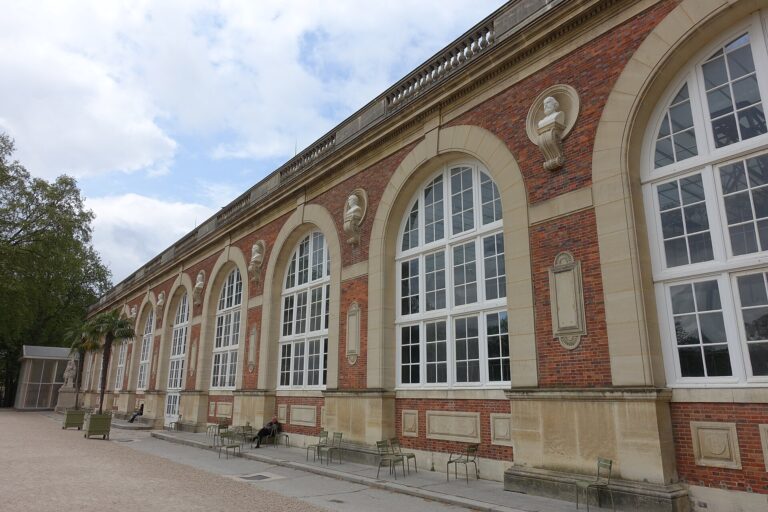
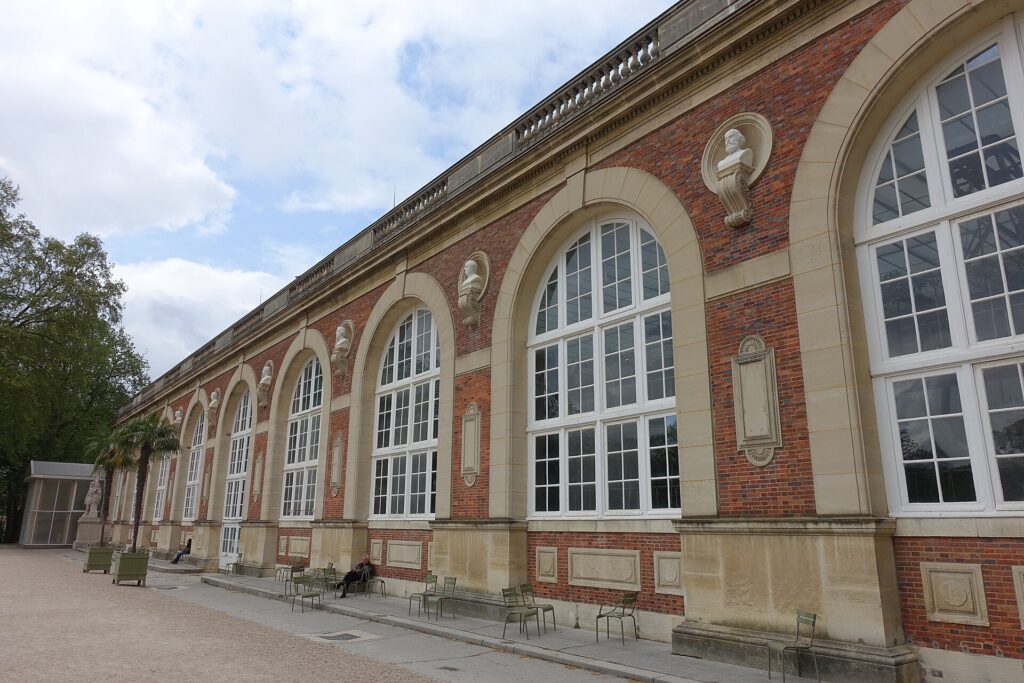
The museum is housed in the Orangerie du Sénat, a structure within the Luxembourg Gardens that directly associates the site with the historic Luxembourg Palace and the green open space around it. This location links the Musée du Luxembourg closely with both Parisian heritage and the rhythms of city life, as the gardens remain a popular spot for locals and visitors alike.
The Orangerie itself offers a relatively intimate and well-proportioned exhibition space. Compared to larger museum venues in Paris, the scale facilitates focused presentations without the imposing size often found in institutions such as the Louvre or the Centre Pompidou. This setting allows for thoughtful displays in a calm and elegant environment, suitable for appreciating the subtleties of painting and graphic art.
Visitors to the museum will also appreciate the proximity to the Luxembourg Gardens for a leisurely stroll before or after viewing exhibitions. The neighborhood is lively yet not overwhelming, giving an accessible cultural experience within walking distance of other Parisian landmarks.
Practical Information
Details such as ticketing, opening hours, and visitor facilities should be checked on the official website of the Musée du Luxembourg before planning a trip. Since the museum operates primarily with temporary exhibitions, schedules and admission policies may change accordingly.
The museum’s site within the Luxembourg Gardens generally means it is reachable by multiple forms of public transportation. However, visitors considering a visit should be prepared for potential closures or limited access during specific times, such as holidays or municipal events. Advance planning is advised to avoid disappointment, especially during busy tourist seasons when Paris sees higher visitor numbers.
The museum’s exhibition program may also include guided tours or educational activities, but availability can vary. Interested visitors should verify the most current information about tours or additional services directly with the museum.
Why Visit
The Musée du Luxembourg serves as a focused environment for those interested in 19th- and 20th-century art, especially in exploring the works and movements that contributed to contemporary French cultural identity. It is a venue that tends to attract visitors with a particular interest in art history and curatorial approaches that go beyond mainstream museum narratives.
Although it does not display a large permanent collection, its rotating exhibitions provide a chance to see thoughtfully arranged works often drawn from significant public and private collections. This format means visitors can repeatedly find new perspectives and artists worth discovering. The museum’s location within the Luxembourg Gardens adds to its appeal as a cultural stop that combines artistic interest with a pleasant park setting, making it suitable for those who value a quieter visit.
At the same time, the museum’s emphasis on temporary exhibitions means it may not satisfy visitors looking for a comprehensive overview of French art history in one place. For such needs, the Musée du Luxembourg works better as a supplement to the larger institutions like the Musée d’Orsay or the Louvre, rather than a replacement. The smaller scale and programming focus means visitors should check current exhibitions beforehand to ensure the content aligns with their interests.
In conclusion, the Musée du Luxembourg offers an engaging experience rooted in Paris’s 19th- and early 20th-century art scenes through curated exhibitions housed in a notable historic and park setting. Those planning a visit should consult the museum’s official channels to confirm details and the current exhibition, allowing for an informed and rewarding visit tailored to specific art interests and a taste for the city’s cultural heritage.