San Marco Museum Review
Art Museums · Florence, Italy. The San Marco Museum in Florence is housed within a former Dominican convent, a site steeped in religious and artistic history dating back to the mid-15th century. Established originally as a monastic complex, it…
Art Museums · Florence, Italy. The San Marco Museum in Florence is housed within a former Dominican convent, a site steeped in religious and artistic history dating back to the mid-15th century. Established originally as a monastic complex, it…
Best forMuseum lovers, culture travelers, first-time visitors
Review focusCollections, visitor experience, and practical planning
Historical Context
The San Marco Museum in Florence is housed within a former Dominican convent, a site steeped in religious and artistic history dating back to the mid-15th century. Established originally as a monastic complex, it gained fame largely through its association with Fra Angelico, a Dominican friar and early Renaissance painter whose frescoes adorn many of the museum’s spaces. The building itself captures a particular moment in Florentine history when art and faith intersected visibly in public and cloistered environments. It reflects a time of intense religious devotion but also of cultural flourishing during the Quattrocento. The museum’s collection and structure maintain strong ties to the Renaissance ideals that shaped Florence, offering insight into both the spiritual atmosphere and artistic innovation of the period.
This dual significance—artistic and ecclesiastical—is what sets the San Marco Museum apart from other Florentine museums focused on Renaissance art. Its setting within an active religious site until the suppression of monastic orders adds layers of narrative about ecclesiastical power and reform, particularly relevant in understanding the role of the Dominican order. The transformation from convent to museum preserves not just artworks but a distinct cultural milieu. This makes the San Marco Museum a notable institution for those interested in the intertwining of art, spirituality, and Florentine history.
What You See on Arrival
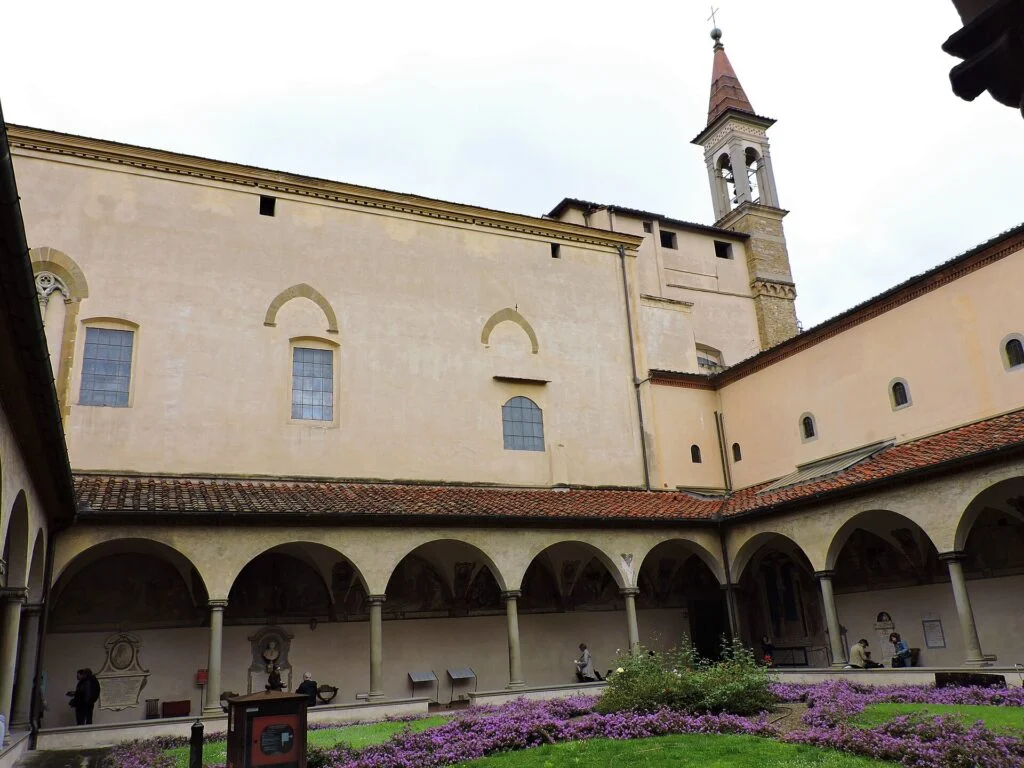
Approaching the San Marco Museum, visitors encounter a quiet, almost contemplative atmosphere typical of converted monastic buildings. The exterior reveals simple yet imposing Renaissance architecture, marked by its whitewashed walls and modest arches. The building does not announce itself in flamboyant terms, which is fitting given its origins as a space intended for prayer and reflection rather than spectacle.
The entrance guides you into a series of courtyards and cloisters, where the layout itself becomes part of the museum’s narrative. The spaces encourage a measured and intimate experience rather than a bustling gallery environment; this framing prepares visitors for the concentration on religious art and monastic life that defines the visit.
While the museum is closely associated with Fra Angelico’s frescoes, the initial views offered upon arrival also suggest a broader historical and architectural context. The preserved cells where friars lived are identifiable early on, with simple furnishings and visible fresco decoration that signal the museum’s focus on both art and daily monastic existence. The museum’s identity, therefore, is clear from the outset: it is a place to reflect on Renaissance religious art within the context of monastic life and history.
Highlights and Key Exhibitions
The San Marco Museum’s centerpiece is undoubtedly its collection of frescoes by Fra Angelico, whose work here represents one of the great achievements of early Renaissance religious art. His lunettes and frescoes in the individual friars’ cells stand out for their delicate clarity, devotional mood, and innovative use of perspective and color. These frescoes were designed for contemplation and instruction, reflecting the Dominican order’s focus on teaching and piety. The Annunciation fresco, in particular, is often singled out as a proto-Renaissance masterpiece combining accessible theological imagery with a new naturalism.
Beyond Fra Angelico, the museum retains a wealth of other artworks and objects that illuminate the broader monastic and artistic environment. The collection includes later Renaissance and early Baroque pieces, offering a sense of continuity in religious artistic production at San Marco. Portraits, altarpieces, and manuscripts hold particular interest for those who want to understand ecclesiastical patronage and devotional practice over time.
Architectural features carry equal importance to the painting. The friars’ cells themselves, which remain largely intact, function as mini galleries where art and space fuse. The sparse interiors, with frescoes painted directly onto the walls, convey a powerful sense of the lived experience of the convent’s residents. The refectory and library spaces preserve elements of original decoration and furnishings, grounding the art collection within its historical use.
From an educational standpoint, the museum offers a cohesive narrative about monastic life in Renaissance Florence, blending art history with religious and social context. The emphasis on Fra Angelico’s work provides a firm anchor, but the surrounding exhibits broaden the story into daily lived spirituality and institutional history.
Visitor Experience
The San Marco Museum, by its nature as a former convent, shapes the visitor experience in intimate and reflective ways. The layout encourages a slow, quiet pace suitable to contemplation rather than rapid movement. Visitors interested in religious art and Renaissance history will find the environment rewarding; those expecting an extensive or highly varied art museum may find its scope somewhat narrow.
Interpretive materials often focus on the spiritual significance of the artworks, emphasizing the devotional purposes behind the frescoes and painted decorations. This approach is effective for appreciating the museum’s core themes but may feel limited to visitors looking for more secular art historical presentation or broader Renaissance context. For those who appreciate the interplay of architecture and art, the preserved monastic spaces enhance the visit considerably.
The cells’ small scale and intimate decoration contrast with the larger halls but serve to personalize the monastic experience. This arrangement can foster a stronger connection with the individuals who once lived here, which is less common in conventional art museums. However, this also means that some artworks are positioned in tight, enclosed areas, which can become congested during busy periods.
The museum’s interpretive signage and publications tend to assume a certain level of familiarity with Renaissance art and Christian iconography. Visitors without that background might benefit from preparatory reading or additional external guides to fully appreciate the nuances of the frescoes and symbolism. Nonetheless, the simple architectural setting and clear visual narratives often convey much even without detailed scholarly explanation.
Overall, the museum caters best to visitors who value art within a specific historical and religious framework and who enjoy quiet reflection as part of their experience. Those expecting a lively, social atmosphere or large, diverse collections might find their interests better served elsewhere in Florence.
Tickets, Access, and Planning
As with many cultural sites in Florence, practical details like ticketing and opening hours may vary seasonally or due to local regulations. Visitors interested in the San Marco Museum should consult the official website for the most accurate and current information regarding admission requirements and hours of operation. The site may offer details on discounts, guided tours, and accessibility options; however, these should not be assumed without confirmation.
Given the museum’s intimate spaces, visitor numbers might be controlled to maintain the atmosphere and protect the frescoes. This could mean that especially during peak tourist seasons, advance booking is advisable. Crowding can diminish the contemplative experience and make it harder to view the frescoes closely.
Access-wise, the museum is situated in central Florence, close to other major attractions, making it reasonably easy to reach by foot or public transport. However, the historic nature of the building may limit full accessibility for visitors with mobility challenges. Again, official resources should be checked for specifics about ramps, elevators, or other accommodations.
Those planning a visit should factor in time for slow-paced navigation of the cloisters and cells to get the most from the experience. The museum’s tranquil environment contrasts with Florence’s often bustling tourism scene, so visitors looking for a quieter counterpoint to the city’s larger institutions may find the San Marco Museum well suited.
Final Verdict
The San Marco Museum offers a focused, richly textured glimpse into Renaissance Florence through the lens of its Dominican convent and its unique art collection. Its strength lies principally in the concentration of Fra Angelico’s frescoes, residing in their original architectural context, which creates a rare opportunity to see these works as they were intended: part of a devotional environment.
The museum’s combination of artwork, architecture, and history appeals most strongly to visitors with an interest in religious art or monastic history. Its intimate scale and contemplative atmosphere provide a contrast to more expansive or encyclopedic Florentine museums but limit the appeal to those searching for broad chronological surveys or secular themes.
While the museum maintains high scholarly and preservation standards, practical access and visitor flow considerations require some advance planning. The small rooms can become congested, and the limited interpretive materials may leave general audiences wanting more contextual information.
In sum, the San Marco Museum is an evocative and carefully preserved institution that offers insight into a specific facet of Renaissance Florence’s spiritual and artistic life. It is recommended for visitors prepared to engage with its religious focus and ready to appreciate art in a quieter, more intimate setting. Prospective visitors should consult official sources for up-to-date logistical information before planning their visit.