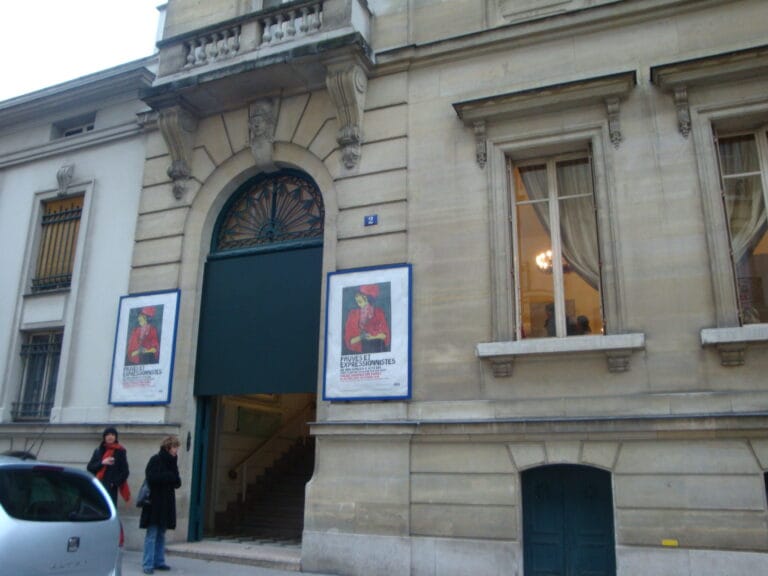
Musée de Grenoble
Art Museums · Grenoble, France. The Musée de Grenoble is a notable art museum located in Grenoble, France, with a strong historical presence in the city’s cultural life. It stands as one of the country’s earliest provincial museums dedicated…
Best forMuseum lovers, culture travelers, first-time visitors
Setting / nearbyGrenoble, France
Overview
The Musée de Grenoble is a notable art museum located in Grenoble, France, with a strong historical presence in the city’s cultural life. It stands as one of the country’s earliest provincial museums dedicated to art and has developed a collection that spans multiple centuries and styles. Its role is to present a broad overview of European painting, sculpture, and drawing while also touching on other artistic traditions. Over time, the museum has acquired works that document key moments in art history, positioning itself as an institution that both reflects and contributes to the artistic heritage of the region.
This museum may best suit visitors interested in European art from the Renaissance through to contemporary periods, with a particular emphasis on museum-quality paintings and sculptures. It is not primarily a specialized museum, but rather a comprehensive fine arts museum that blends established masterpieces with lesser-known works, offering depth across several artistic epochs. The Musée de Grenoble does not focus solely on local art but includes substantial pieces from major European centers. Understanding its place within Grenoble’s urban fabric also helps visitors appreciate the museum’s dual role as a cultural repository and educational venue.
Collection Highlights
The collection at the Musée de Grenoble covers artwork from the 13th century to the present day, with strong holdings in Renaissance, Baroque, and modern art. It reflects an evolving narrative of European painting and sculpture with some works from North America and other regions in its contemporary section.
Visitors can expect to encounter paintings from Italian Renaissance masters, though the exact works depend on current displays. The 17th-century Baroque section is often well-represented with works illustrating the grandeur and religious themes typical of that era. The museum’s holdings from the 18th and 19th centuries feature a range of French and other European schools, with some pieces illustrating shifts towards Romanticism and Realism.
Notable is the museum’s significant collection of modern and contemporary art, which includes works by European artists active in the 20th century. The collection reflects developments in Cubism, Fauvism, and Abstract art, with paintings and sculptures by artists who influenced or responded to these movements. This blend offers visitors insight into both the formal progression of art styles and the cultural contexts that shaped them.
Sculpture is another important feature, with a variety of styles and periods represented. The museum sometimes organizes temporary exhibitions that delve into particular topics or artists, offering a change of pace from the permanent displays.
Overall, the collection is recognized for its scholarly quality and diversity. It is suited to visitors who appreciate detailed exploration of European artistic traditions without the overwhelming scale of a national capital’s museum.
Building and Setting
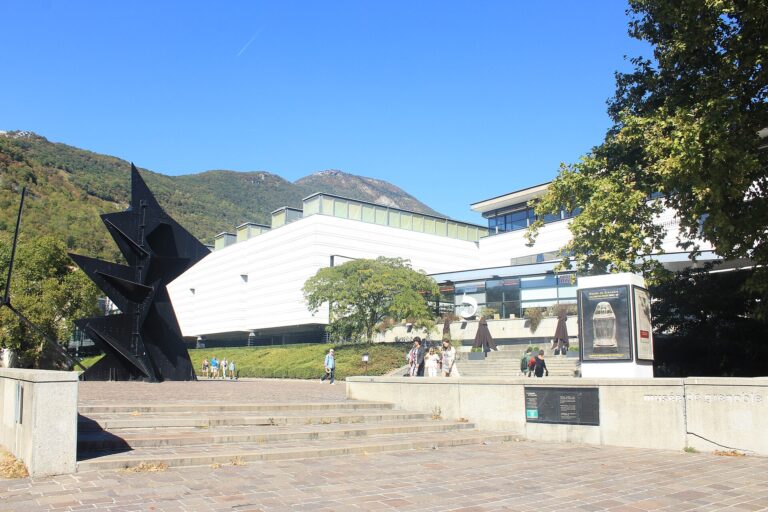
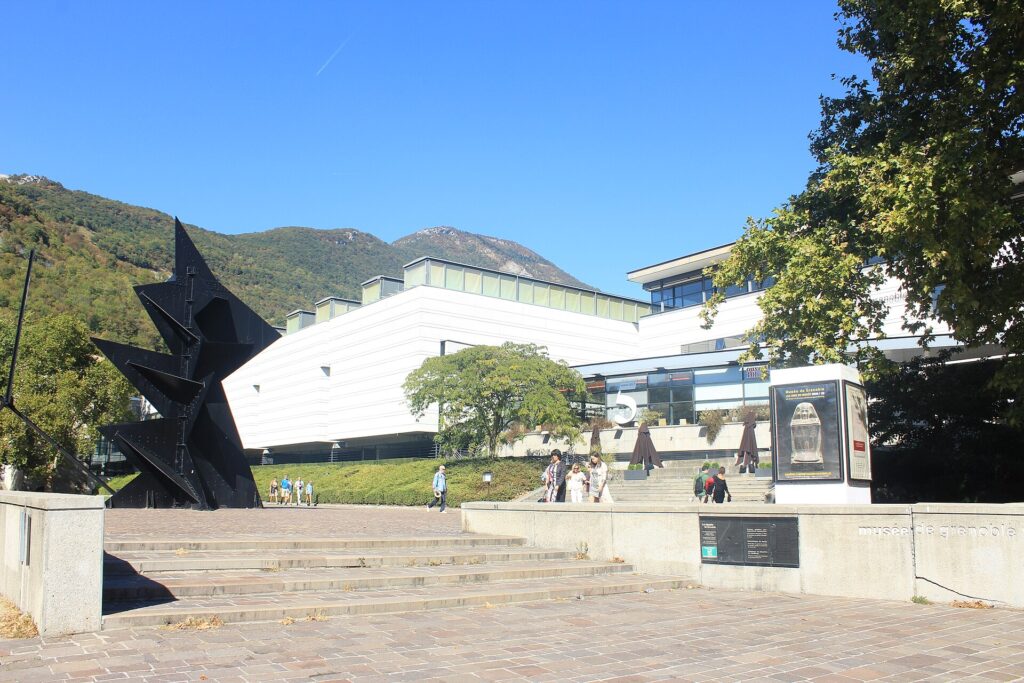
The museum is situated in central Grenoble, providing accessibility from the city’s main public spaces. The building combines historical architecture with modern extensions, reflecting a history of adaptation and expansion. Inside, the layout is designed to guide visitors through a chronological or thematic path, though the exact arrangement can vary with exhibitions and curatorial choices.
The museum’s setting benefits from being close to other cultural institutions and urban amenities, allowing visitors to integrate their visit into a broader day in Grenoble. Nearby public transport options can facilitate access, although checking current local transport information is advisable.
While the museum’s external architecture is notable for blending old and new elements, it is the interior space and the way it supports the display of artworks that will be a primary interest. Lighting and spatial design aim to suit the needs of the collection but may differ between galleries depending on the age and fragility of the works.
As with many art museums, certain galleries may be quieter or more densely arranged, potentially influencing visitor experience. Planning a visit with some attention to the layout and any special exhibitions can enhance one’s time at the museum.
Practical Information
Visitors interested in the Musée de Grenoble should consult the museum’s official website for the most current practical details. This includes opening hours, admission conditions, access arrangements, and any visitor services offered. Such details can change seasonally or in response to programming needs.
The museum's policies on booking visits or group tours, availability of guided tours, audio guides, and accessibility accommodations are best verified directly with the institution. Information about onsite facilities like cafés or shops should also be confirmed there.
For planning a visit, note that museum intensity, layout, and visitor flow can vary. It is advisable to assess your own pace preferences and interests, as some sections might warrant longer attention depending on your focus.
Why Visit
The Musée de Grenoble offers a focused yet broad experience for those keen on European art history. It avoids overwhelming scale, which can make the visit more manageable and contemplative. It holds a balance between famous names and less familiar works, providing chance encounters with artworks that might be new to many visitors.
It is particularly relevant for people interested in the progression of European painting and sculpture over centuries. The presence of both historical and modern art in a single institution allows for direct comparison and reflection on artistic evolution within the same visit.
While the museum may not cater to those specifically seeking avant-garde contemporary art or thematic specialized collections, it serves well as a representative gallery for the art traditions that shaped European visual culture. Its commitment to quality and range means it can appeal to students, researchers, art lovers, and travelers interested in cultural depth beyond headline attractions.
In sum, the Musée de Grenoble represents a quietly significant destination for anyone prepared to engage seriously with art history and appreciate the continuum of artistic endeavor preserved within a provincial French city. The institution stands as a reminder of the role regional museums can play in conserving and interpreting art with rigor and accessibility.