Museum of Turkish and Islamic Arts Review
Art Museums · Istanbul, Turkey. Located in Istanbul, the Museum of Turkish and Islamic Arts presents an important cultural institution dedicated to preserving and exhibiting artifacts related to the rich history and diverse artistic traditions of Turkey and the…
Art Museums · Istanbul, Turkey. Located in Istanbul, the Museum of Turkish and Islamic Arts presents an important cultural institution dedicated to preserving and exhibiting artifacts related to the rich history and diverse artistic traditions of Turkey and the…
Best forArt lovers, visual culture, architecture
Review focusCollections, curatorial focus, and visitor planning
Historical Context
Located in Istanbul, the Museum of Turkish and Islamic Arts presents an important cultural institution dedicated to preserving and exhibiting artifacts related to the rich history and diverse artistic traditions of Turkey and the wider Islamic world. The museum itself occupies the former palace of Ibrahim Pasha, dating back to the 16th century, a significant historical setting that frames its collections within a structure of considerable architectural and national importance. Established in the early 20th century, the museum has developed a focus on Islamic art objects alongside Turkish cultural heritage, reflecting Istanbul's historical role as a cultural crossroads.
The museum’s scope covers various periods, ranging from early Islamic artifacts to Ottoman-era objects, intersecting with many facets of religious, political, and everyday life in the region. Its collection serves as a valuable resource for understanding the development of Islamic art aesthetics and Turkish cultural identity through centuries marked by extensive social and political change, including the rise and fall of empires and the modernization of Turkey. The institution’s origins and evolution mirror the broader national interest in preserving a complex artistic heritage that unites diverse communities within a shared historical narrative.
What You See on Arrival
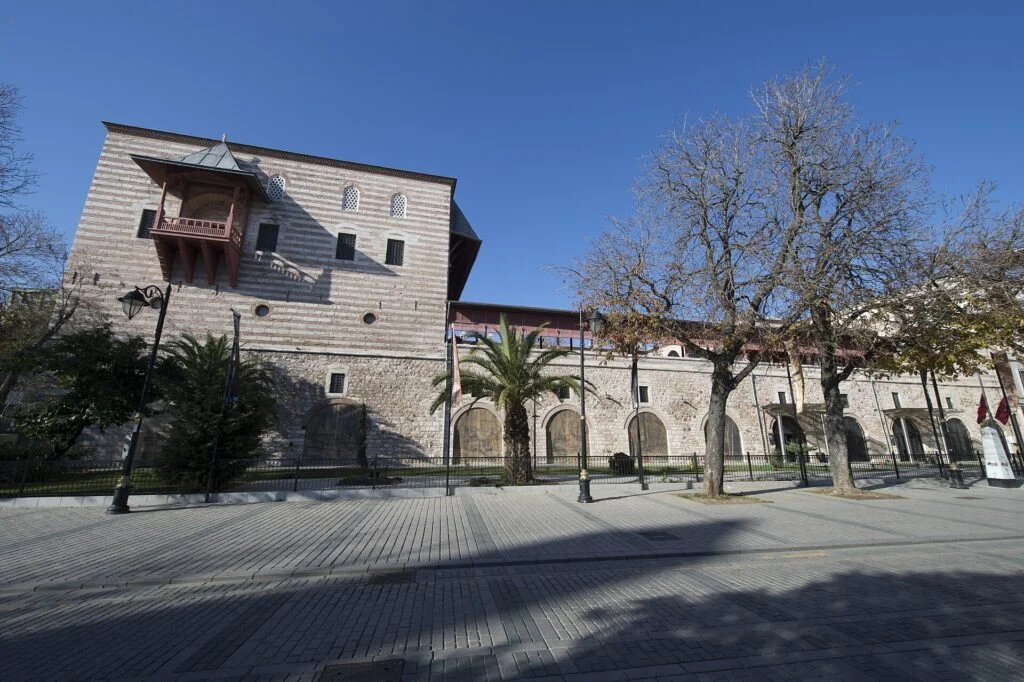
Visitors approaching the Museum of Turkish and Islamic Arts encounter the grandiosity of its home in the historic Ibrahim Pasha Palace, itself an important example of Ottoman civil architecture. The building’s location on Sultanahmet Square situates it among Istanbul’s major historic and cultural landmarks, offering a contextual frame that emphasizes the region’s layered heritage. From the exterior, the palace's stone façade and courtyard convey a sense of historical gravitas and set expectations that the museum’s contents will reflect a similar depth.
Upon entry, the visitor is likely confronted with the museum’s introductory spaces, which provide general orientation and some contextual background about the layout and focus of the collection. The institutional identity centers on both Turkish and Islamic art—an intersection that attempts to capture the dual nature of the artifacts on display. The museum’s signage and introductory panels generally highlight the historical breadth and thematic range of the exhibits, aiming to prepare visitors intellectually for what lies within the galleries.
The museum’s presentation style tends to blend historical context with artistic appreciation, featuring extensive displays of decorative arts and religious objects. Early impressions are shaped both by the ornamentation of architectural elements in the palace and the array of artifacts aligned to the walls and cases within. This initial framing prompts visitors to approach the museum not only as a repository of art but as a witness to a large cultural and religious tradition deeply embedded in the region’s history.
Highlights and Key Exhibitions
The Museum of Turkish and Islamic Arts is notable for its comprehensive array of artifacts that together provide a broad overview of Islamic decorative arts as they developed in Ottoman and earlier Turkish contexts. Its collection includes intricate examples of calligraphy, textiles, woodwork, ceramics, metalwork, and stone carvings, each illustrating different elements of craftsmanship and cultural symbolism.
Calligraphy ranks among the more prominent features of the collection. Islamic calligraphy has long been considered a highly refined art form due to the religious prohibition against depicting human forms, leading to the development of intricate scripts for Qur’anic verses and other texts. The museum houses important specimens of Ottoman calligraphic panels and manuscripts, alongside earlier examples. These works showcase various styles such as the elegant Diwani script and the more austere Kufic forms. The calligraphic works not only demonstrate technical mastery but also provide insight into religious and literary culture.
Textiles and carpets represent another significant component. The museum includes a range of Ottoman and Anatolian carpets distinguished by their patterns, dyes, and weaving techniques. These objects, often overlooked in more general art museums, illustrate the importance of textile production in social and economic terms, as well as the aesthetic preferences of the region across centuries. Alongside carpets, items like silk embroideries and ceremonial garments reveal the intricate relationship between material culture and social identity.
Ceramics and tiles are also well represented, with pieces ranging from Seljuk and early Ottoman ceramics to later Iznik pottery. The renowned Iznik tiles, characterized by bold colors and floral motifs, highlight the artistic advancements in local pottery and glazing techniques. The museum’s ceramic collection provides tangible evidence of Istanbul’s flourishing artisan communities and their production, which contributed to architectural decoration across the region.
Additionally, the museum’s section on metalwork and woodwork features finely crafted objects such as candlesticks, bowls, and prayer tools. These everyday and ritual items are notable for their decorative elements, combining functionality with artistic expression. The intricate inlays and motifs reflect both Islamic religious symbolism and regional aesthetics.
The museum also places emphasis on stone carvings, including intricately carved tombstones, architectural fragments, and inscriptions from various periods. These artifacts give visitors an understanding of funerary art and stone craftmanship in Islamic Anatolia.
Although the collection is wide-ranging, it tends to focus on decorative and religious material culture rather than secular art forms or archaeological artifacts. This focus serves both as a strength and a limitation. It offers a detailed look at object-based crafts and their role within Turkish and Islamic societies but may feel narrower for visitors interested in broader historical narratives or multi-dimensional cultural expressions, such as fine arts painting or contemporary art.
Visitor Experience
The experience of moving through the Museum of Turkish and Islamic Arts is shaped by its architectural layout and the dense arrangement of artifacts within. Exhibits tend to be displayed in a fairly traditional museum format, with objects arranged in display cases or mounted on the walls. While this method provides clear viewing and preservation, it can sometimes create a crowded atmosphere that demands close attention from visitors to fully appreciate the craftsmanship on display.
The density of the collection means that visitors benefit from a steady pace and a willingness to engage with detailed objects that generally do not rely on immersive or multimedia elements for interpretation. The museum is suitable for visitors with a specific interest in Islamic art, Ottoman history, or the decorative arts tradition. Those who prefer broader contextual narratives or chronological guides may find the displays more fragmented and in need of supplementary reading or external interpretation.
Interpretation relies largely on written labels and informational panels. These tend to provide essential background such as the artifact’s date, materials, origin, and cultural significance. While the language is generally clear and informative, it skews toward a scholarly tone that might appeal more to informed or motivated visitors than casual tourists. There is limited use of digital or interactive aids, meaning much of the experience depends on personal engagement with the objects themselves and historical texts.
The museum can risk overwhelming visitors with the sheer volume of similar object types—especially in the textile and calligraphy sections—unless they maintain a focused interest. The architectural setting, however, adds to the sense of historical immersion thanks to period rooms and the palace’s original features.
Visitor flow is generally manageable given the building’s size, but peak times—common in Istanbul’s main historical district—may affect how comfortably one can pause at individual exhibits. The quieter rooms, particularly on upper floors, often offer more contemplative spaces for detailed examination. Overall, the museum suits visitors willing to invest time and attention to the specifics of Islamic decorative arts rather than those expecting broad historical storytelling or experiential elements.
Tickets, Access, and Planning
Specific information about entrance fees, hours of operation, discounts, and other visitor services should be verified on the museum’s official website prior to planning a visit, as these details can change regularly. The museum is located in central Istanbul and is reachable by public transportation, as well as by foot from other nearby cultural sites in Sultanahmet such as the Blue Mosque and Hagia Sophia.
Visitors should consider the seasonal and daily visitor patterns common in this heavily touristed district, which may affect the overall comfort and quiet available during a visit. Given that the museum is housed within a historic structure, potential visitors with mobility issues may wish to inquire about accessibility accommodations beforehand.
The museum does not typically emphasize multimedia guides or frequent public programming, so prepared visitors might benefit from bringing independent resources or guidebooks focused on Ottoman and Islamic art to maximize understanding. Group visits and guided tours may be arranged through official channels, but these are not always standard.
For those interested in the broader cultural and historical context of Istanbul, planning a visit to the Museum of Turkish and Islamic Arts in conjunction with other nearby museums and historical monuments can offer a more rounded experience of the city’s heritage.
Final Verdict
The Museum of Turkish and Islamic Arts holds particular significance for those seeking to explore the visual and material culture of Ottoman and Islamic traditions within Istanbul. Its collection is substantial and focused, providing a deep dive into the decorative arts that shaped Turkish and broader Islamic societies over several centuries. The setting within Ibrahim Pasha’s palace adds a tangible connection to Ottoman history that supplements the exhibits and enhances the authenticity of the visit.
However, this concentration on decorative and religious artifacts also defines the museum’s limitations. Visitors looking for a wider historical or social narrative might find the presentation somewhat narrow or dominated by object-based display without extensive contextual interpretation. Similarly, those expecting interactive or multimedia enhancements may find the experience traditional, largely relying on individual engagement with the displays.
The museum is best suited to visitors with a clear interest in Islamic art, Ottoman history, or the technical and aesthetic aspects of craft production. Its location near Istanbul’s major tourist sites makes it a feasible part of a focused museum itinerary. Visitors should approach the museum prepared for detailed study rather than entertainment or casual browsing.
Ultimately, the Museum of Turkish and Islamic Arts remains a valuable institution that preserves and showcases important elements of Turkish and Islamic heritage. It contributes meaningfully to the cultural landscape of Istanbul, even if its specialized scope and presentation style require visitors to bring a degree of prior interest or knowledge to fully appreciate its holdings. Potential visitors are advised to consult up-to-date practical details on the official website before planning their trip.