Louvre-Lens
Art Museums · Lens, France. Louvre-Lens is a branch of the famous Louvre Museum in Paris, located in the city of Lens, in northern France. Unlike a traditional single-building museum dedicated to a specific collection or theme, Louvre-Lens functions…
Best forMuseum lovers, culture travelers, first-time visitors
Setting / nearbyLens, France
Overview
Louvre-Lens is a branch of the famous Louvre Museum in Paris, located in the city of Lens, in northern France. Unlike a traditional single-building museum dedicated to a specific collection or theme, Louvre-Lens functions as an extension of the Louvre’s vast holdings, aiming to make its collections more accessible outside the French capital. The museum opened in 2012 and presents important works from the Louvre’s encyclopedic collection in a different context and environment.
The museum’s concept departs from the usual national museum format by rotating a selection of artworks from the Louvre’s reserves rather than permanently housing a fixed collection. This approach allows for varied temporary exhibitions drawn from the broad chronological and geographic reach of the original Louvre, ranging from antiquities to Renaissance painting. Louvre-Lens emphasizes dialogue between past and present by placing artworks in a carefully considered architectural setting that encourages visitors to re-engage with familiar objects in a new way.
Situated in Lens, a former coal mining town undergoing economic and cultural transition, the museum contributes to regional cultural revitalization. It is a part of efforts to diversify museum access in France beyond Paris, bringing national and international art to a modest-sized, post-industrial urban context. This positioning affects the museum’s atmosphere, visitor profile, and programming choices, setting it apart from more traditional French art museums.
Collection Highlights
Since Louvre-Lens hosts rotating displays rather than a permanent collection, highlights depend on the current exhibitions. However, the museum draws from the Louvre’s extensive holdings, which include some of the most recognized art and artifacts globally—from Egyptian, Greek, and Roman antiquities to European paintings and decorative arts.
Exhibitions often juxtapose works from different periods and cultures to reveal underlying themes or stylistic connections. For example, certain displays may focus on archaeology or ancient civilizations one season and then shift to Renaissance painting or 18th-century sculpture in another. This flexibility offers repeat visitors a chance to see different facets of the wider Louvre collection without traveling to Paris.
Even within a limited viewing window, visitors might see sculptures by artists such as Michelangelo or Canova, paintings from masters like Delacroix or Veronese, or collections of ceramics and arms. The museum’s approach commonly highlights art’s narrative, symbolic, and technical dimensions rather than presenting objects solely through chronological or national classifications.
Given the rotating nature, those planning a visit would benefit from checking the museum’s current exhibition announcements so they can align expectations with what will be on display. This makes Louvre-Lens suitable for visitors who appreciate changing exhibitions and thematic exploration rather than those seeking to see a permanent collection in situ.
Building and Setting
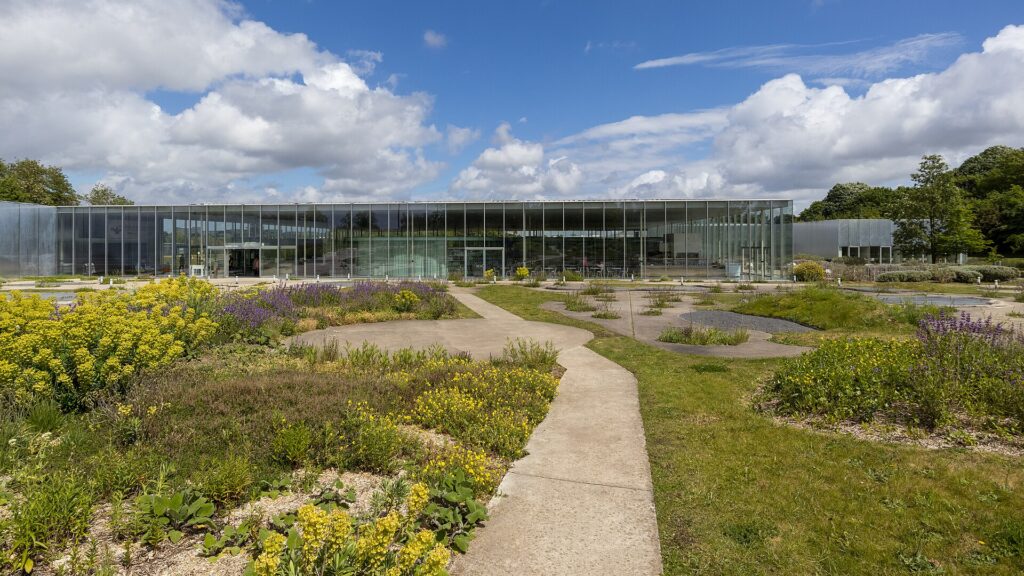
The Louvre-Lens building itself is a striking example of contemporary museum design, deliberately kept low and horizontal, avoiding dominance over its surroundings. It was designed by Japanese architects with an emphasis on transparency and natural light, featuring long gallery spaces with large windows that invite views of the surrounding landscape.
The site is located on a former mining area coated in grass, integrating the museum into a landscape marked by industrial history and recent ecological restoration efforts. This context reflects a commitment to regional renewal and sustainability. The museum’s architectural choices prioritize a calm atmosphere where natural illumination enhances visitors’ engagement with the artworks.
Adjacent to the building, open spaces and sculpture gardens create a dialogue between indoor and outdoor environments. While the architecture aims for openness, its concrete, glass, and steel construction also evoke a sense of solidity appropriate for housing valuable historical art.
The physical scale of the museum is smaller and more intimate than the main Louvre in Paris, which influences visitor flow and the pace of viewing. It is designed for contemplative visits rather than large crowds, which can be an advantage for anyone wishing to spend focused time with works on display.
Practical Information
Those interested in visiting Louvre-Lens should check the official museum website for up-to-date and detailed information before planning their trip. Important aspects such as opening hours, admission charges, availability of guided tours or audio guides, parking options, and accessibility services may vary and need confirmation.
Unlike major metropolitan museums, Louvre-Lens may have variable visitor traffic influenced by its location in a smaller city and its exhibition schedule. Planning a visit during off-peak times could enhance the experience, but this depends on current circumstances.
While the museum’s modern design facilitates accommodation for visitors with mobility challenges, it is advisable to verify the most current accessibility information prior to arrival. Similarly, details about on-site amenities including cafés or shops should be confirmed closer to the visit date.
Lens itself does not have the same infrastructure level seen in larger cities, so transportation arrangements might require more forethought. Checking local transit options or parking availability, if arriving by car, is prudent.
Why Visit
Louvre-Lens offers a distinctive opportunity to experience parts of the Louvre’s vast and diverse collection without traveling to Paris. Its setting in a northern French city undergoing social and economic change lends the museum a different cultural significance than many major national museums rooted in historic urban centers.
For visitors interested in art museums that explore classical and early modern art through a rotating lens, this museum presents an attractive alternative to static displays. The changing exhibitions encourage repeat visits and a thematic rather than strict chronological approach to art history.
The museum’s architecture and site location provide a contemplative environment that fosters quieter engagement with artworks. This can be especially appealing to visitors who find larger museums overwhelming or who appreciate natural light and landscape integration.
On the other hand, visitors seeking a comprehensive survey of the Louvre’s entire permanent collection or expecting a fixed set of iconic artworks may find Louvre-Lens limited in scope due to its rotating format. The absence of permanent masterpieces means the visit is best suited to those open to thematic and temporal shifts.
In sum, Louvre-Lens functions as a cultural bridge, extending the reach of an important French national museum to a different region and context. It supports local renewal efforts, offers art lovers a focused but flexible gallery experience, and invites new ways to understand artworks removed from their usual Parisian environment. Prospective visitors should consider their interests in temporary exhibitions and regional museums when evaluating whether Louvre-Lens fits their itinerary.