Ningbo Museum
Architecture Museums · Ningbo, China. The Ningbo Museum in Ningbo, China, serves as a significant cultural institution dedicated primarily to local history, architecture, and ethnology. This museum aims to document and illustrate the region’s cultural heritage, reflecting the city’s…
Best forMuseum lovers, culture travelers, first-time visitors
Setting / nearbyNingbo, China
Overview
The Ningbo Museum in Ningbo, China, serves as a significant cultural institution dedicated primarily to local history, architecture, and ethnology. This museum aims to document and illustrate the region’s cultural heritage, reflecting the city’s longstanding connection to maritime trade and traditional Chinese life. Rather than presenting a broad national or global narrative, it focuses on the unique identity of Ningbo and its surrounding areas, offering a perspective rooted in local developments and artifacts. Its approach intertwines historical artifacts with architectural interest, ensuring visitors engage with both the content and the context in which it is displayed.
As a local history museum, its goal is evidently to make the past tangible for a contemporary audience, fostering understanding of Ningbo’s role within Chinese and maritime history. It also highlights traditional art forms and vernacular architecture, providing a deeper sense of place and community heritage. While its collections are specialized rather than encyclopedic, this focus allows for a layered interpretation of regional culture, shedding light on subjects sometimes overshadowed by larger, more generalized museums in China.
Collection Highlights
At the core of the Ningbo Museum’s appeal is its collection related to Ningbo’s rich regional history and culture. Visitors can expect to see artifacts tracing the city’s ancient past, including archaeological items that suggest early human settlement and development along the East China Sea coast. The museum pays attention to Ningbo’s historic role as a port city, with exhibits related to maritime trade and the early Silk Road sea routes that passed through the region.
Additional collection highlights emphasize traditional craftsmanship and folk customs. This includes examples of local architecture — not just in photographs or models but through integrated elements of traditional building materials and designs that are part of the museum itself, creating an experiential layer for visitors. Exhibits showcasing ceramics, textiles, and everyday objects contextualize the rhythms of life across various periods, illustrating both the rural and urban histories of Ningbo.
There is also a significant ethnographic component, with displays that address the identity, festivals, and rituals of the local Ningbo communities and other related ethnic groups. This offers insights into social organization and cultural expressions that have persisted or evolved over time.
Compared to museums focused exclusively on fine art or broad historical chronologies, the Ningbo Museum’s strength lies in these particular themes, though those seeking exhaustive coverage of China’s wider history or major cultural movements may find the scope narrower.
Building and Setting
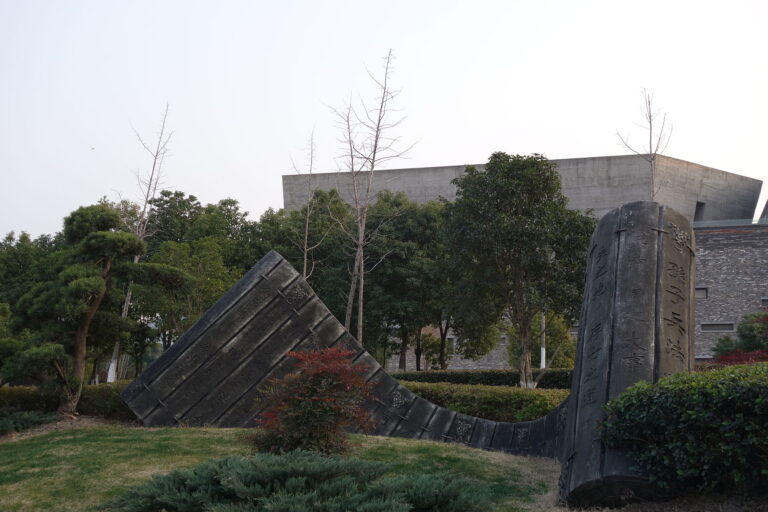
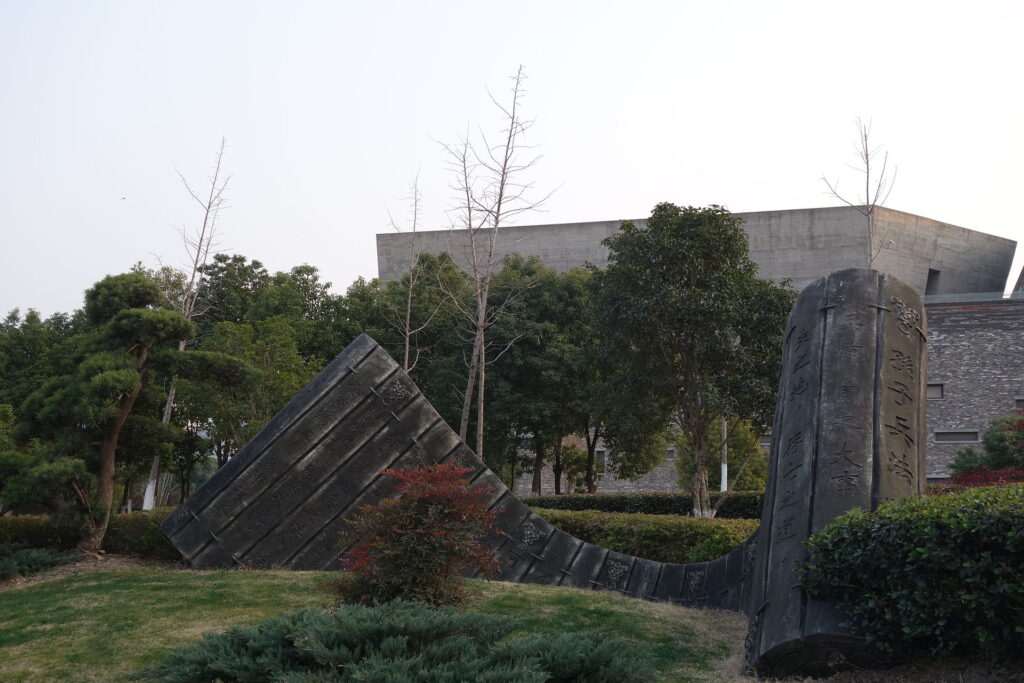
The architecture of the Ningbo Museum is itself a notable feature. Designed by a well-regarded architect known for melding modern design with traditional Chinese elements, the building integrates the natural and built environment in a way that reflects the local culture. It incorporates reclaimed materials and regional styles, such as grey bricks and tiles traditionally seen in Ningbo’s vernacular architecture, creating a sense of authenticity and material connection to place.
Situated within the urban fabric of Ningbo, the museum’s setting offers convenient access for residents and visitors alike. It functions not just as a repository of objects but as an architectural statement about conservation and cultural identity. The structure’s layout encourages a measured flow through exhibition spaces, balancing open gallery areas with more intimate display rooms. This thoughtful spatial organization aims to support visitor engagement with both the artifacts and the broader themes of the museum.
While the museum is urban, the design consciously evokes traditional elements of Ningbo’s environment and architecture. This makes the building itself part of the narrative rather than simply a neutral container, adding an important dimension to the visitor experience.
Practical Information
For those planning a visit, details such as opening hours, admission policies, guided tours, availability of audio guides, and accessibility arrangements can vary over time and should be verified directly through the official Ningbo Museum website before arrival. This ensures up-to-date information especially as practical conditions may be affected by local policies, renovations, or special exhibitions.
It is advisable to check on ticketing in advance, where possible, as some museums in China have adopted online booking systems or timed admissions to manage visitor numbers. Visitors should also inquire about any language support services if they require guides or materials in languages besides Chinese.
Because the museum’s focus includes local history and vernacular architecture displayed in somewhat integrated spaces, those interested in photography or detailed note-taking may find some areas more conducive than others, depending on restrictions in place.
Why Visit
The Ningbo Museum offers a distinctive experience for visitors intrigued by the intersection of local history, cultural identity, and architectural heritage. Unlike museums that span wide historical eras or multiple regions, this institution presents a concentrated study of Ningbo’s role in maritime trade, its regional culture, and everyday life through artifacts and displays that communicate a strong sense of place.
This museum is particularly suitable for those with an interest in Chinese maritime history, traditional crafts, and architectural conservation. It enables visitors to engage with a layered story that often remains outside dominant narratives in larger museums or history books. The integration of the museum’s architectural style with its collection themes contributes to a more immediate understanding of Ningbo’s cultural environment.
However, potential visitors should bear in mind the museum’s localized scope—those expecting comprehensive overviews of Chinese art or history may find the focus narrower. The exhibits may also assume some prior knowledge of Chinese history or culture for full appreciation, which might be a consideration for international visitors without prior context.
In summary, the Ningbo Museum represents a thoughtful convergence of place, history, and culture. It invites visitors to reflect on how regional identity shapes, and is shaped by, material culture and urban expression. The building and its contents stand as a dialogue between tradition and modernity, making the museum notable within the suite of cultural institutions in Ningbo and in the wider coastal region of China.
For the latest information on visiting the Ningbo Museum, it is recommended to consult the official website directly before planning a trip.