Queensland Maritime Museum
Maritime Museums · Brisbane, Australia. The Queensland Maritime Museum in Brisbane, Australia, stands as a dedicated institution focused on the maritime history and culture of Queensland and the broader Australian coastal context. It explores the development of navigation, shipp…
Best forMaritime history, ship lovers, port culture
Setting / nearbyBrisbane, Australia
Overview
The Queensland Maritime Museum in Brisbane, Australia, stands as a dedicated institution focused on the maritime history and culture of Queensland and the broader Australian coastal context. It explores the development of navigation, shipping, and naval activities in a region where waterways have long shaped communities, commerce, and identity. The museum offers a concentrated look at maritime heritage through artifacts, models, and vessels, reflecting both commercial and military seafaring aspects. Its position in Brisbane places it within a city whose history is closely intertwined with the Brisbane River and Moreton Bay, key sites for trade, immigration, and naval operations.
As a maritime museum, it diverges from more general historical museums by centering its attention on sea travel, shipbuilding, and the technological and social changes connected with these themes. Exhibitions often highlight local developments from early exploration and indigenous watercraft to contemporary maritime technologies and issues. This specificity suits those interested in nautical history, engineering, and the environmental challenges linked to marine environments. The institution also plays a role in preserving Queensland’s maritime artifacts and stories that might otherwise be overlooked in larger national museums.
Collection Highlights
The Queensland Maritime Museum’s collection includes an array of maritime-related objects that document various periods and themes in Queensland’s seafaring history. Key features of the collection are model ships, navigation instruments, maritime paintings, and archival photographs that provide visual and technical insights into the evolution of maritime activities. Among these, visitors can expect to see exhibits on inland river navigation, coastal shipping, and the development of local ports.
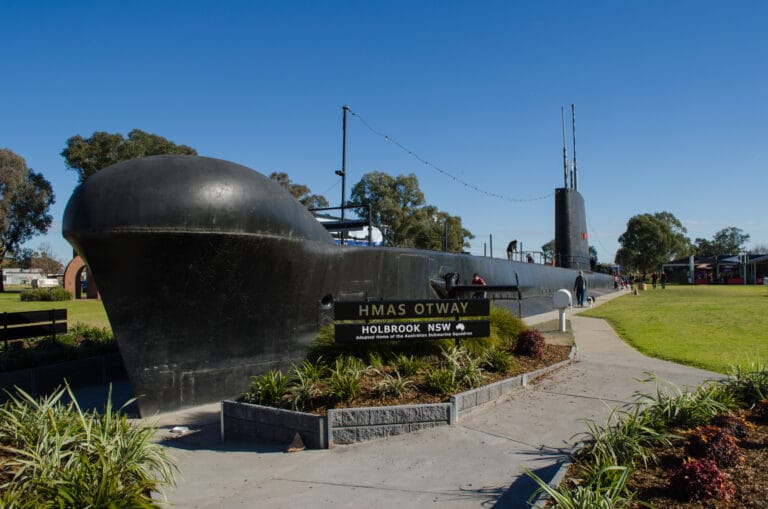
Possibly the most tangible draws are the actual vessels and larger maritime artifacts preserved on site or close by. For example, the museum has featured historic ships and smaller watercraft that illustrate the types of vessels once common to Queensland waters. Naval history also finds a place through displays relating to Queensland’s role in Australian naval engagements and defense. Although individual items might not all be internationally famed, this focus on locally rooted material allows for a layered understanding of maritime life in Queensland, from commercial trade to recreational boating.
One feature repeated in many maritime museums is the inclusion of underwater archaeology or shipwreck-related artifacts. While it may not host extensive marine archaeology collections, there is usually some attention to wreck sites, reflecting the region’s coastal environment and history of maritime accidents and salvaging.
The museum’s displays are likely well organized to guide visitors through technological, economic, and cultural aspects of maritime history. Expect interpretive information that clarifies the importance of navigation tools or ship construction techniques, helping visitors with varying levels of background appreciate the collections.
Building and Setting
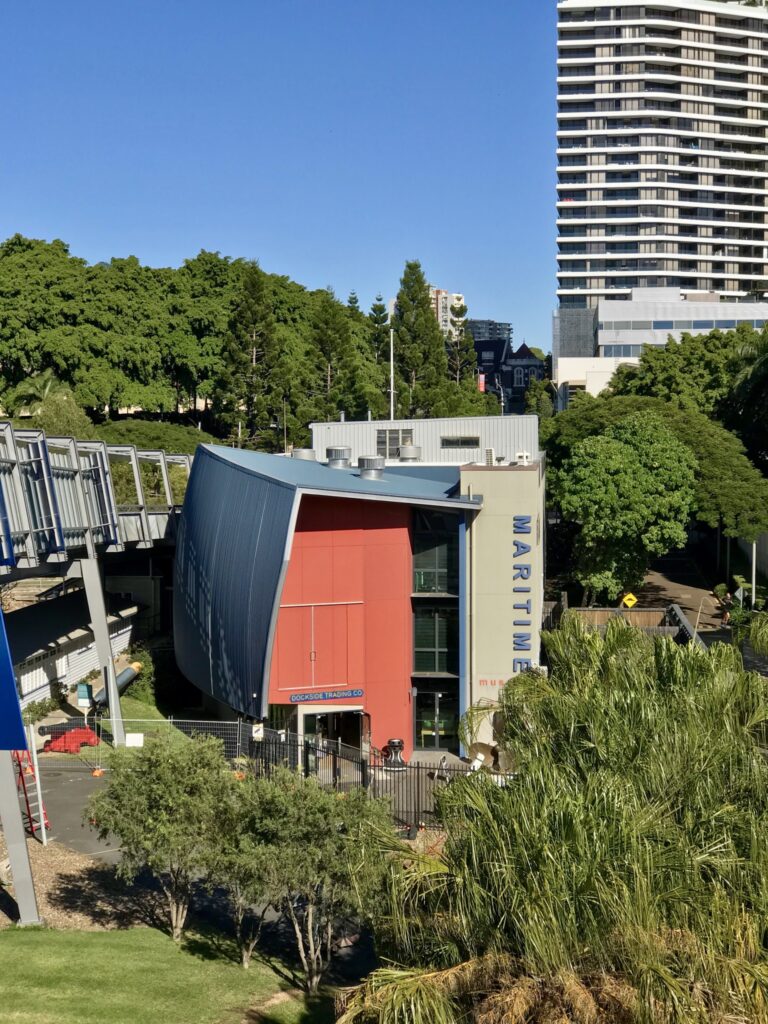
The Queensland Maritime Museum is situated in Brisbane, a city with a strong maritime tradition, particularly given its river, port facilities, and proximity to the ocean. The museum’s location is typically near water, which enhances the thematic connection between the institution and its subject matter. The site likely offers an authentic context from which to engage with maritime history, providing visual and environmental cues that complement the collections.
Regarding the building itself, such museums often occupy structures designed or adapted to display large vessels and maritime equipment. There may be outdoor exhibition spaces where boats and heavy machinery can be shown more effectively than indoors. The setting by the Brisbane River or nearby waters may allow for docked historic vessels to be part of the visit experience, giving a more immediate sense of scale and function.
This geographic positioning in Brisbane is advantageous for accessibility from the city and surrounding areas, although specific travel arrangements or site navigation details should be checked before visiting. The broader urban environment of Brisbane provides opportunities to connect maritime history with other cultural and historical narratives of Queensland.
Practical Information
Before planning a visit to the Queensland Maritime Museum, it is advisable to consult the museum’s official website or contact the institution directly for current information. This is due to potential changes in opening hours, admission policies, guided tour availability, and access arrangements that may vary by season or in response to other factors.
Information on ticket prices, discounts, or special programs is not provided here and should be verified through official channels. Likewise, potential visitors should inquire about accessibility features if they have specific mobility or sensory needs. Museums focused on maritime history sometimes involve uneven or outdoor areas that may require consideration for those with limited mobility.
Visitor services including audio guides or guided tours may be available but are not guaranteed. Planning ahead can help decide whether a self-directed visit or participation in curated tours suits the intended experience better.
Because the museum includes large artifacts, including ships, some parts of the exhibition may require outdoor walking or navigating steps and narrow passages on vessels. A comfortable plan will take into account appropriate footwear and weather conditions.
Finally, if visiting Brisbane, travelers might combine the museum visit with other local attractions, but given the museum’s specialized focus, those with a strong interest in maritime heritage will gain more from the visit than those seeking broader cultural or art museum experiences.
Why Visit
The Queensland Maritime Museum offers a focused look at a facet of local history that is often overshadowed by inland or urban narratives of Australia’s past. For visitors drawn to maritime history, nautical technology, and the cultural impact of sea travel, it offers an environment to engage with tangible elements of this heritage. The collection and setting convey how waterways have shaped Queensland’s social and economic development.
It suits a range of visitors including historians, model ship enthusiasts, families curious about local history, and researchers interested in maritime technology or naval history. The museum’s concentration on regional stories provides a specific perspective that complements broader Australian maritime history found in larger institutions in other cities.
At the same time, the museum is not likely to appeal strongly to those without an interest in maritime themes or with limited time to dedicate to specialized museums. Its scope is well defined and does not overlap extensively with general history or cultural museums, which means visitors should plan their visit with their interests in mind.
In summary, the Queensland Maritime Museum in Brisbane represents a well-curated repository of Queensland’s maritime past, housed in a setting that reflects the local waterways’ importance. It offers meaningful engagement with ships, artifacts, and stories that together chart the state’s ongoing relationship with the sea. For those intrigued by the water-based chapters of Australian history, the museum presents a solid and thoughtfully assembled experience. Check the official resources before visiting to ensure the visit suits your timing and interests.