Evergreen Aviation & Space Museum Review
Aviation Museums · McMinnville, United States. Situated in McMinnville, Oregon, the Evergreen Aviation & Space Museum presents an intriguing chapter in the history of aviation and aerospace innovation, chronicling achievements from pioneering eras to modern advancements. The mus…

Aviation Museums · McMinnville, United States. Situated in McMinnville, Oregon, the Evergreen Aviation & Space Museum presents an intriguing chapter in the history of aviation and aerospace innovation, chronicling achievements from pioneering eras to modern advancements. The mus…
Best forAircraft fans, engineering history, family visits
Review focusAircraft collections, flight history, and visitor planning
Historical Context
Situated in McMinnville, Oregon, the Evergreen Aviation & Space Museum presents an intriguing chapter in the history of aviation and aerospace innovation, chronicling achievements from pioneering eras to modern advancements. The museum was established largely upon the significant collection of the Evergreen International Aviation company. The region itself has a notable connection to aviation, reflective of the Pacific Northwest’s industrial and technological development during the 20th century. Founded initially to commemorate and preserve the history of flight, the museum has expanded its scope over the years to encompass a broad spectrum of aerospace artifacts and educational content.
One of the museum’s strongest historical ties is to the Spruce Goose, officially known as the Hughes H-4 Hercules, a colossal wooden flying boat designed during World War II. This aircraft represents both the ambition and technological challenges of that period, embodying a story of wartime urgency, engineering innovation, and the limits of material and design. Beyond the Spruce Goose, the museum documents the evolution of aviation through aircraft, missiles, and space artifacts, tracing a timeline that intersects with military history, commercial flight development, and space exploration. The Evergreen Aviation & Space Museum thus situates itself not merely as a repository of artifacts but as a reflection of broader narrative threads in American and global aerospace history.
What You See on Arrival
Approaching the Evergreen Aviation & Space Museum, visitors encounter a facility whose architecture and layout clearly signal its aviation focus. The presence of large hangar-style buildings and the visible silhouette of the Hughes H-4 Hercules set the tone before entry. The scale of the aircraft collection is hinted at by the imposing size of the exhibits on the grounds, communicating an emphasis on grandeur and mechanical marvels rather than a conventional art-museum environment. The museum makes its identity immediately known: it is a venue dedicated to aerospace heritage, with a strong emphasis on the physical objects and technology of flight.
The reception and entrance areas likely frame the experience with educational and interpretive material that contextualizes the significance of the artifacts inside. This serves to prepare visitors for the expansive nature of the collection and its technical depth. While the atmosphere probably leans towards a more industrial and technical presentation rather than a refined architectural statement, this suits the museum’s thematic content, grounding visitors in the scale and mechanics of aviation.
Highlights and Key Exhibitions
At the heart of the Evergreen Aviation & Space Museum’s collection stands the Hughes H-4 Hercules, commonly known as the Spruce Goose. Its sheer scale and unique construction ensure it is the defining object of the museum. The aircraft rests inside a dedicated exhibition space where visitors can study its enormous wingspan and craftsmanship. Due to its single-flight history and the lore surrounding its creation, the Spruce Goose holds a unique place in aviation history, encapsulating ambitious technological experimentation under wartime pressures. The museum dedicates considerable interpretive resources to this artifact, providing insight into Howard Hughes’ vision, the engineering challenges faced, and the broader historical context.
Beyond the Spruce Goose, the museum’s collection spans a wide range of aircraft, missiles, space artifacts, and related technologies. Early 20th-century planes illustrate the origins of powered flight, highlighting the transition from fragile, wood-frame biplanes to more robust metal designs. Military aviation receives substantial attention, with examples from World War II, Cold War, and later periods including fighter jets, bombers, and reconnaissance planes. This range illustrates the changing nature of aerial combat and technological advancements over decades.
The museum goes further than aircraft to include space exploration history. Rockets, satellites, and astronautical equipment form part of the narrative, connecting flight history to human aspirations beyond Earth. Exhibits highlight developments in propulsion technology, the space race, and the engineering required for humans to enter and survive the space environment.
In addition to hardware, there are explanatory displays covering aerodynamics, aircraft design principles, navigation, and communications. These elements target a deeper understanding of how flight has evolved and the scientific principles underlying it. Combined, the museum’s collection offers a multi-dimensional view of aviation and space history, appealing to enthusiasts, students, and general audiences interested in technology and history.
While the strength lies in technology and aviation history, the presentation can occasionally skew toward a technical rather than a humanistic focus. Stories about pilots, engineers, or sociocultural impacts of flight receive less emphasis relative to the artifacts themselves. This means that visitors particularly interested in narrative history or biography might find the museum’s focus narrow. The museum’s scope is comprehensive in technical exhibits but less so in personal or cultural contexts.
Visitor Experience
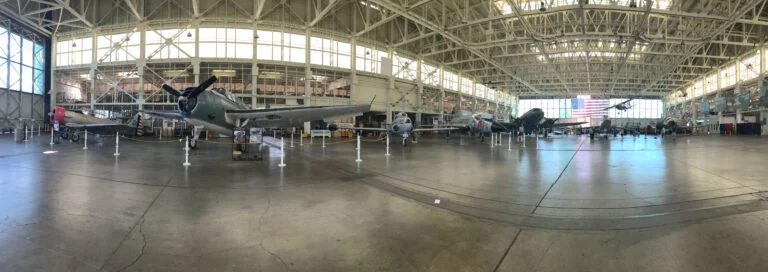
The visitor experience at the Evergreen Aviation & Space Museum is likely shaped by the scale and density of its collection. With many large aircraft and space vehicles on display, pacing may involve moving through voluminous hangar spaces where exhibits are spaced to allow detailed examination. Visitors inclined toward aerospace technology and mechanical engineering will find rich content here, as displays often include technical specifications, developmental histories, and operational contexts.
For families and more casual visitors, the museum offers enough variety in aircraft types and historic periods to sustain interest, though the interpretive approach may require some prior knowledge or curiosity about aviation topics. The museum’s educational materials and explanations generally support comprehension but can sometimes lean heavily on technical details. This can impact accessibility for visitors without a baseline familiarity or a strong interest in aerospace technology.
Ease of navigation within the museum likely benefits from the hangar-style layout, which can be straightforward but also extensive. The clarity of signage and accessibility of interpretive materials will influence how visitors engage with the collection. Some might find the museum’s organization more segmented by aircraft type or era rather than thematic storytelling.
In terms of atmosphere, the museum is probably more utilitarian than decorative. The emphasis is on the artifacts rather than environment enhancement, leaving the experience focused on direct engagement with aviation history and technology. Interactive or multimedia elements, if present, are likely supplementary rather than central, maintaining a traditional museum exhibit style.
Tickets, Access, and Planning
As with many specialized museums, potential visitors should check the Evergreen Aviation & Space Museum’s official website before planning a visit. This ensures up-to-date information on opening hours, varied admission costs, any available discounts, and advance booking requirements if applicable. Accessibility details, including accommodations for visitors with disabilities, are better verified directly with the museum due to evolving standards and resources.
The museum’s location in McMinnville means visitors often access it by regional roadways. Public transport options may be limited, so personal or rental vehicle travel is common. Provisions such as parking availability and related services should be confirmed in advance if relevant to visitor needs.
While some museums of this nature have cafés, gift shops, or additional amenities, such features can vary widely in scale and service quality. Visitors interested in such conveniences are advised to seek current information.
Finally, the museum’s size and focus suggest that a visit could comfortably occupy several hours, depending on the level of detail pursued by individuals or groups. Visitors with particular interest in aviation, aerospace, or military technology will likely find enough content for a substantive visit, while those less engaged with technical history might visit more briefly.
Final Verdict
The Evergreen Aviation & Space Museum stands as a specialized institution focusing on the technological and historical dimensions of aviation and aerospace. Its central draw, the Hughes H-4 Hercules, provides a singular physical and narrative centerpiece. The broader collection delivers a thorough survey of aircraft, missiles, and spaceflight equipment from different eras, serving as a substantial reference for those interested in aerospace technology.
While the museum excels in presenting aircraft and space artifacts in considerable detail, its appeal may be somewhat narrow for visitors seeking a broader cultural or social history of flight. The narrative perspective leans heavily toward mechanical and engineering achievements rather than the human stories that also shape aviation history. This focus benefits enthusiasts and scholars with a technical or historical interest but may limit accessibility for more casual audiences.
In terms of visitor experience, the museum’s spacious layout and detailed exhibits provide a solid foundation for understanding aviation’s material culture. However, the interpretive approach can be dense, and the atmosphere prioritizes substance over style. Practical considerations around access and visitor services require some advance planning based on official sources.
Overall, the Evergreen Aviation & Space Museum represents a valuable resource for those wanting a grounded and object-focused engagement with flight history. It offers significant material to understand aerospace developments, though it might require motivated visitors to navigate its technical terrain effectively. Those prepared to delve into this specialized subject matter will find the museum a worthwhile destination for its unique artifacts and depth in aerospace history.