Koldinghus Review
Castle Museums · Kolding, Denmark. Koldinghus is a historic castle located in the city of Kolding in southern Denmark. Originally founded in the 13th century, the site has undergone multiple phases of construction, destruction, and reconstruction, mirroring the shifting…
Castle Museums · Kolding, Denmark. Koldinghus is a historic castle located in the city of Kolding in southern Denmark. Originally founded in the 13th century, the site has undergone multiple phases of construction, destruction, and reconstruction, mirroring the shifting…
Best forMuseum lovers, culture travelers, first-time visitors
Review focusCollections, visitor experience, and practical planning
Historical Context
Koldinghus is a historic castle located in the city of Kolding in southern Denmark. Originally founded in the 13th century, the site has undergone multiple phases of construction, destruction, and reconstruction, mirroring the shifting political and military fortunes of the region. Initially built as a royal fortress to secure and control territory near the Danish-German border, Koldinghus evolved into a royal residence by the Renaissance and Baroque periods. Over the centuries, it has been both a symbol of Danish sovereignty and a military stronghold.
A significant fire in 1808 left much of the castle in ruins, after which it remained largely neglected for a long period. Restoration efforts began in the 20th century and continued into the modern age with the aim of preserving the castle’s historical fabric while adapting it as a museum space. Today, Koldinghus stands as a cultural heritage site blending medieval structures with later architectural styles, representing a layered history relevant to both Denmark’s national narrative and broader European conflicts. It functions primarily as a museum focusing on art, design, and historical collections, housed within this evocative setting that speaks heavily of Denmark’s royal past.
What You See on Arrival
Approaching Koldinghus, visitors are met with an imposing castle complex visible from various points in the city. The castle’s position on a hilltop offers commanding views of the city of Kolding and the surrounding landscape. The exterior of the castle is a mix of medieval stone walls and restored Renaissance facades, marked by towers, battlements, and sections rebuilt after the fire of 1808.
The entrance area is designed to frame the castle as both a historical monument and a modern museum. The architectural contrast between the old stonework and the carefully integrated contemporary additions is evident. This juxtaposition emphasizes the castle’s dual identity—as a relic of the past and an active cultural venue.
The site around the castle, including courtyards and walkways, invites visitors to reflect on the castle’s defensive origins while preparing them for the museum experience inside. What becomes clear immediately is that the museum does not simply present historical artifacts but situates them within the spatial and architectural narrative of the castle itself. This setting unveils layers of meaning, making Koldinghus not just a repository but a place where history can be physically experienced.
Highlights and Key Exhibitions
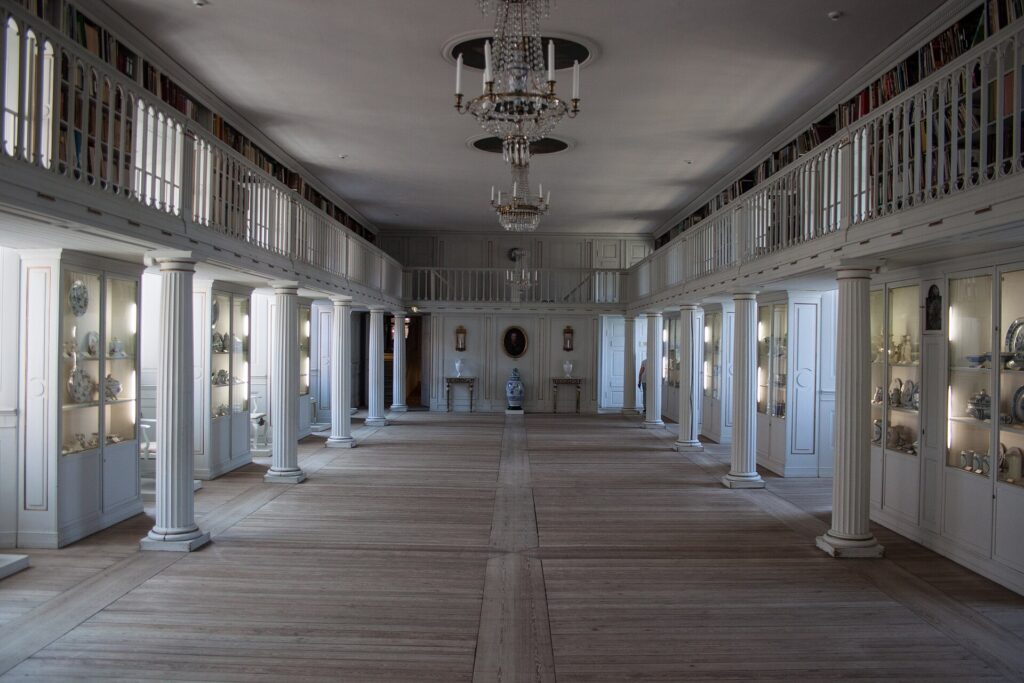
Koldinghus offers visitors a blend of historical and cultural objects presented against the backdrop of its own history. The core exhibitions focus on Danish royal history, castle life, and decorative arts through a selection of furniture, textiles, porcelain, weaponry, and tapestries. Among the more notable items are Renaissance and Baroque furnishings that reflect the castle’s past role as a royal residence. The quality of these collections provides insight into the tastes and lifestyles of Danish nobility across several centuries.
The exhibition design frequently emphasizes the castle’s architectural features, with rooms arranged to correspond with historical use where possible. Visitors can encounter examples of interior decoration from different periods, including an impressive display of medieval armory and weapons that underline the castle’s military dimension.
Koldinghus also houses a significant collection of Danish and European ceramics and silverware, curated to illustrate craftsmanship and socio-cultural trends from the 16th century onward. These displays combine artistry with documentary value, charting changes in design and technological development. Textile exhibits further enrich this narrative, showcasing elaborate court dress and embroidered pieces that speak to changing fashion and status.
Importantly, the museum does not focus solely on local history. It situates Koldinghus within European political and cultural developments, albeit with a primary emphasis on Danish royal and aristocratic experiences. Visitors interested in military architecture will appreciate the preserved ramparts and reconstructed chambers, which tell stories of warfare, siege, and defense strategies while also highlighting the evolving function of the castle itself.
The museum’s careful restoration and presentation of the castle ruins make the structure a key exhibit. Rather than overwhelming visitors with objects, the site encourages a spatial understanding of how castles operated historically, allowing the architecture to narrate alongside the collections. This integration is a strength that makes Koldinghus distinctive among historic house museums.
Visitor Experience
Visitors to Koldinghus can expect a layered experience that combines architectural discovery with exhibition viewing. The layout and pacing require some attention; the castle’s complex structure means that movement between rooms, floors, and courtyards is not always straightforward. This can encourage a thoughtful pace as visitors navigate the spaces, but might also pose challenges for those with mobility considerations or limited time.
The interpretive approach balances narratives of royal history, art, and architecture with occasional use of modern exhibition techniques such as multimedia displays and lighting effects. The interpretive signage is generally clear and informative, aimed primarily at a general audience rather than specialists. Persons with a keen interest in military history, decorative arts, or Nordic history will find much to engage with, though those seeking extensive academic treatment might find the content introductory.
Koldinghus is suitable for visitors with a moderate level of museum familiarity. The castle’s environment may not appeal equally to very young children, especially given the historical material’s focus and the physical layout. However, families with older children interested in history or architecture may find the visit rewarding.
The architecture itself acts as a living exhibit and requires little supplementary explanation. This adds a tactile dimension to the experience. Conversely, the need to move between various parts of the castle means that visitors should be prepared for some walking, stairs, and uneven surfaces. It is not suited to a quick visit; rather, it demands time and interest to connect the castle’s physical form with the stories told through its collections.
Tickets, Access, and Planning
Information about the practical details for visiting Koldinghus should be confirmed with the official museum website before planning a trip. Details concerning opening hours, admission charges, discounts, guided tours, audio guides, wheelchair access, parking facilities, and on-site services can vary depending on the season and current museum policies.
Given the castle’s historic structure, potential visitors with accessibility needs should inquire specifically about mobility accommodations. The site’s hilltop location and internal stairs may present challenges. Planning ahead can help determine if and how these issues might be mitigated.
Since Koldinghus combines the functions of a historic site and an art/decorative arts museum, visitors interested in either or both fields will benefit from reviewing current exhibition listings and museum updates online. This will ensure awareness of any temporary exhibitions or special events that could enhance or change the visit experience.
Final Verdict
Koldinghus in Kolding, Denmark, presents a deeply layered museum experience revolving around one of the country’s most historically significant castles. Its strength lies in the way the architecture and collections are intertwined, emphasizing the relationship between the castle’s past and the artifacts displayed within its walls. The museum offers a nuanced portrait of Danish royal history, military architecture, and decorative arts that can engage a wide audience interested in history, design, and cultural heritage.
The castle’s setting induces a reflective quality in the visit, allowing visitors to move beyond viewing objects in isolation, and instead to understand their context within a space shaped by centuries of use and reuse. The focus remains largely on aristocratic history and aesthetics, limiting the representation of broader social histories or contemporary reflections.
While the building and its exhibitions offer substantial historical and artistic interest, practical considerations such as the site’s physical layout and potential accessibility limitations deserve attention during visit planning. The level of interpretive depth is appropriate for the general museum-going public but may leave specialized visitors seeking more detailed scholarship.
In summary, Koldinghus delivers a rich cultural experience centered on a monumental historic structure with carefully curated collections that support a clearer understanding of Danish history and art within a European context. It is best approached with time and preparation to fully appreciate both its architectural and museological qualities. Prospective visitors should consult official resources before their trip to ensure the most accurate and up-to-date information regarding access, admissions, and visitor services.