Fiskeri- og Søfartsmuseet
Art Museums · Esbjerg, Denmark. The Fiskeri- og Søfartsmuseet, located in Esbjerg on Denmark's west coast, is a museum dedicated to the region’s deep connections with fishing and seafaring traditions. Its focus is on the social, economic, and technological…

Best forArt lovers, visual culture, architecture
Setting / nearbyEsbjerg, Denmark
Overview
The Fiskeri- og Søfartsmuseet, located in Esbjerg on Denmark's west coast, is a museum dedicated to the region’s deep connections with fishing and seafaring traditions. Its focus is on the social, economic, and technological aspects of maritime and fishing industries, which have shaped the town and its community for more than a century. The museum’s narrative extends from historical fishing methods and boatbuilding techniques to the contemporary challenges of the North Sea fisheries. As a specialized maritime museum, it offers insight into an industry that remains relevant for Denmark’s economy and cultural identity.
The museum serves as both an educational resource and a reminder of the hard work, innovation, and hazards that characterize maritime livelihoods. Visitors interested in maritime history, industrial heritage, or coastal cultures are likely to find its blend of artifacts, vessels, and multimedia displays informative and revealing. It is particularly suited for those who appreciate museums with a focused thematic approach and a regional perspective, rather than broader national or global maritime narratives.
Collection Highlights
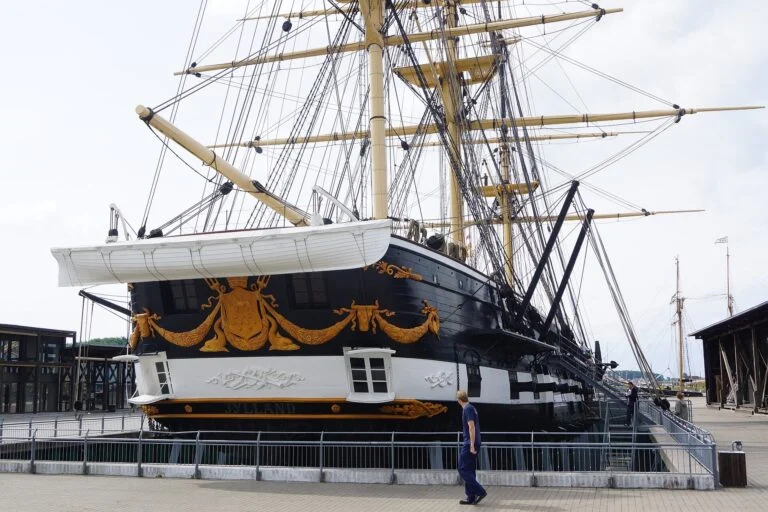
Central to the Fiskeri- og Søfartsmuseet is its collection of objects and vessels related to fishing and seafaring in the southern North Sea. Among the exhibits are traditional fishing boats, including open cutters and larger trawlers reflecting evolutions in boat design and technology. These vessels illustrate changes in fishing practices as well as the gradual mechanization of the industry over the 20th century.
The museum's displays include fishing gear such as nets, traps, and tools used for processing catches. These items contribute to understanding the daily life and labor of fishermen, from the preparatory tasks to the actual haul. Historical photographs and documents might be featured to contextualize the social conditions and community life of Esbjerg’s fishing population.
In addition to fishing-specific material, the museum presumably covers broader seafaring themes like navigation, shipbuilding, and maritime safety. Exhibits about maritime communication, lighthouses, and shipwrecks may be part of the collection, contributing to a wider maritime picture. Interactive or multimedia elements could be present to demonstrate fishing techniques or the hazards of the sea, although potential visitors should confirm these details on the museum’s website.
The museum may also dedicate space to contemporary concerns in fisheries, such as sustainability, regulation, and technological innovation. This ensures relevance to current debates about environmental impact and the future of fishing communities, grounding historical material in today’s challenges.
Building and Setting
The Fiskeri- og Søfartsmuseet is situated in Esbjerg, a port city with strong ties to the fishing industry. The town’s identity as a fishing harbor makes it a fitting location for a museum dedicated to this field. The setting likely allows some exhibits to be viewed in proximity to actual working or historic quays, enhancing the sense of place.
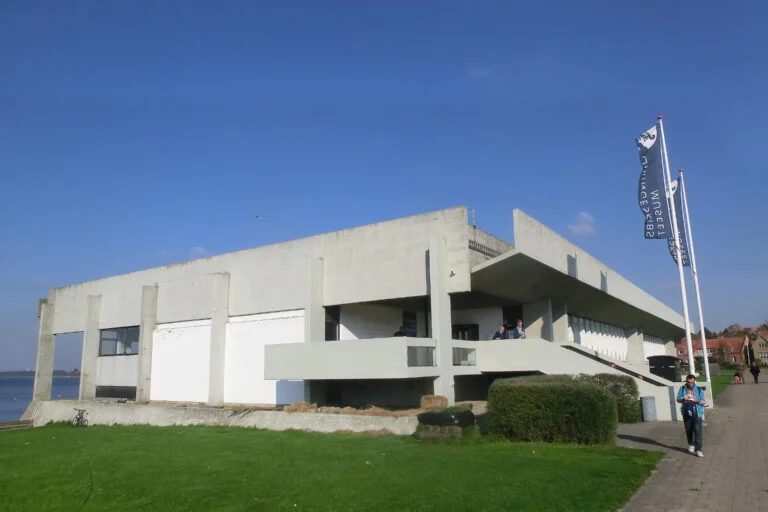
The museum building itself combines exhibition spaces and possibly areas for temporary exhibitions or events. It may also include an outdoor section or waterfront access where larger vessels can be displayed or accessed for visitor entry. The relationship between museum and harbor could provide visitors with an authentic maritime atmosphere, distinct from museums located inland.
Practical Information
Visitors planning a trip to Fiskeri- og Søfartsmuseet should verify the latest visitor information through the official website or contact points. Details such as opening hours, admission fees, available visitor services, and any temporary closures or renovations can change and are best confirmed directly.
The museum might offer guided tours, audio guides, or family-friendly activities, which would be useful for those seeking a structured visit or additional interpretation. Accessibility information is also critical for planning but should be checked with the museum’s current policies.
Transport options, parking availability, and nearby amenities are not detailed here and should be researched before visiting. Given the museum’s location in Esbjerg, visitors may find public transit connections or accommodations in the town center convenient for accessing the site.
Why Visit
Fiskeri- og Søfartsmuseet offers a focused window into the maritime heritage of Denmark’s west coast that reflects a community shaped by the sea. It appeals especially to visitors with an interest in maritime industries and coastal life. The museum’s strength lies in its ability to link historical artifacts and vessels with the lived experiences of fishermen and seafarers.
While it may not present extensive collections of marine art or large-scale naval history found elsewhere, its concentration on fishing and regional maritime life gives it a clarity of purpose. For those interested in the history of labour, technology, and local industry, the museum’s exhibits offer tangible connections to these themes.
Visitors should be aware that the museum is specialized and may not satisfy those seeking a broad survey of maritime history or those without prior interest in fisheries and seafaring. However, for visitors to Esbjerg or Denmark’s west coast who appreciate museums addressing regional identity, economic history, and cultural traditions through maritime lives, Fiskeri- og Søfartsmuseet is a worthwhile consideration.
In sum, the museum presents a dedicated exploration of how fishing and seafaring have influenced and continue to influence a Danish community. Its collections, setting, and interpretive focus together encourage reflection on the human relationship with the sea—not only as a source of livelihood but as a shaping force in culture and place. Those drawn to the maritime world will find in this museum an engaging contribution to understanding a specific, still living tradition within Denmark’s coastal mosaic.
Please check the official Fiskeri- og Søfartsmuseet website for the most reliable and up-to-date visitor information before planning your trip.