Real Academia de Bellas Artes de San Fernando Review
Art Museums · Madrid, Spain. The Real Academia de Bellas Artes de San Fernando in Madrid holds a distinctive place in Spain’s cultural and artistic landscape. Founded in 1744, the institution was created to promote the study and creation…
Art Museums · Madrid, Spain. The Real Academia de Bellas Artes de San Fernando in Madrid holds a distinctive place in Spain’s cultural and artistic landscape. Founded in 1744, the institution was created to promote the study and creation…
Best forArt lovers, visual culture, architecture
Review focusCollections, curatorial focus, and visitor planning
Historical Context
The Real Academia de Bellas Artes de San Fernando in Madrid holds a distinctive place in Spain’s cultural and artistic landscape. Founded in 1744, the institution was created to promote the study and creation of fine arts, reflecting the broader European Enlightenment efforts to systematize and elevate artistic practices. It has traditionally combined the functions of an academy—offering artistic instruction, critical debate, and institutional support—with the role of a museum housing a significant collection of artworks. Its origins are deeply intertwined with Spain’s Bourbon monarchy, which sought to consolidate the arts within a formal institution to foster national prestige and cultural identity during a period of rapid political and aesthetic change.
Throughout its history, the academy has influenced many prominent Spanish artists and played a role in shaping the development of art in Spain over the centuries. It reflects the evolution of artistic styles and academic values from Baroque through Neoclassicism, Romanticism, and into modern artistic expressions. The building itself, a Baroque palace originally associated with the court, situates the institution within the architectural and cultural heart of Madrid, close to other major museums and galleries. This long history helps to explain the breadth and depth of its collections and its continuing cultural significance.
What You See on Arrival
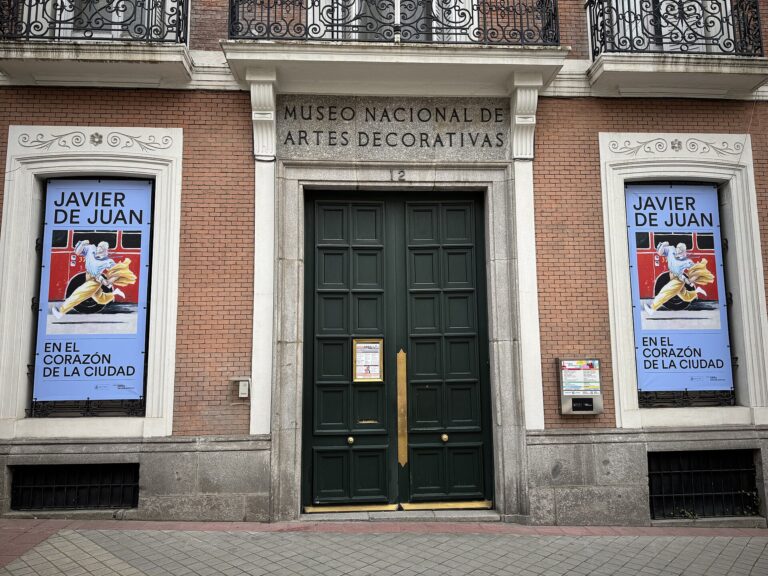
Approaching the Real Academia de Bellas Artes de San Fernando places you firmly in the historic center of Madrid, in the neighbourhood of Justicia, an area dense with artistic and intellectual heritage. The exterior of the building is marked by a restrained Baroque architectural style, with classical elements that convey a sense of academic gravity without overstating grandeur. The façade, while stately, is relatively modest compared to some of Madrid’s more ostentatious landmarks, which may reflect the academy’s scholarly mission rather than purely public pageantry.
The entrance positions visitors at the intersection of museum, academy, and archive. Visitors might initially perceive it as a space dedicated not only to exhibition but also to education and the cultivation of artistic practice. The institution’s identity is embedded in this dual role, rather than simply as a public display case. The visitor’s first impression is likely to be of a space where history, artistic achievement, and academic endeavour intersect, promising encounters with significant artworks as well as the intellectual traditions behind them.
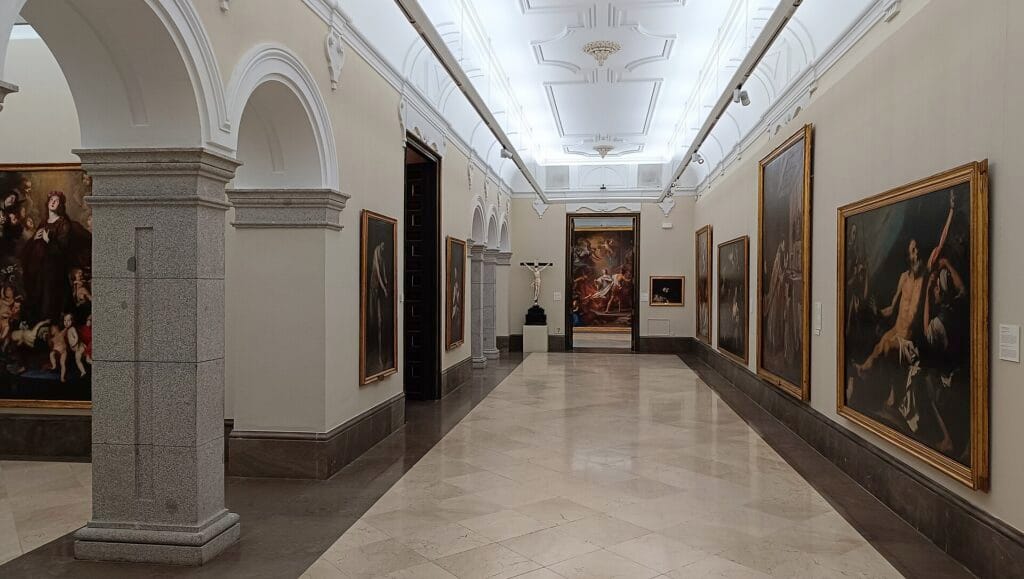
Inside, the atmosphere traditionally reflects careful attention to artistic detail, architectural harmony, and the preservation of heritage. Visitors can expect a curated environment where artworks are situated to engage with the history and evolution of Spanish and European art under academic influence. From the outset, the experience distinguishes itself from a large modern museum by maintaining closer ties to the artistic discipline and legacy within the museum’s walls.
Highlights and Key Exhibitions
The collection of the Real Academia de Bellas Artes de San Fernando is known principally for its focus on Spanish painting and sculpture, though it also includes selected works from other European artists. This focus reflects the academy’s role in promoting and documenting the national artistic tradition while also situating it within a broader context. Among the highlights are works by influential Spanish painters such as Francisco de Goya, whose presence in the collection underscores the institution’s role in preserving and representing Spain’s artistic achievements.
Goya’s works in the collection span various phases of his career, from early court portraits to later, more personal and expressive images. These paintings provide not only artistic value but also invaluable insight into Spain’s social and political undercurrents during his lifetime. Alongside Goya, the academy holds representative works by José de Ribera, an artist who bridges Spanish and Italian Baroque traditions; Luca Giordano, whose dynamic Baroque style influenced Spanish tastes; and Federico de Madrazo, a key 19th-century portraitist who epitomized academic painting.
The museum also features sculpture collections that highlight developments in Spanish art, from classical inscriptions through neoclassical sculpture to later artistic movements influenced by Romantic and realist aesthetics. These objects provide a three-dimensional complement to the painted works and illustrate technical and stylistic evolution alongside changing academic priorities.
Additionally, the academy’s holdings include drawings, prints, and decorative arts such as tapestries, which connect fine art with applied and ornamental traditions, underscoring the institution’s comprehensive approach to the arts. These auxiliary collections can reveal artistic processes and studio practices, enriching visitors’ understanding of how the institution has supported and chronicled artistic production across disciplines.
Because the museum is also an active academic institution, its permanent collection is sometimes supplemented by exhibitions drawn from its reserves or thematic arrangements that spotlight particular artists, periods, or artistic techniques without making use of extensively changing temporary exhibitions. This approach can favor depth over breadth, offering useful contextualization though it may not supply the highly varied or blockbuster displays found in Madrid’s larger venues.
Visitor Experience
Visitors to the Real Academia de Bellas Artes de San Fernando can generally expect a museum experience geared towards those with an interest in art history, academic traditions, and Spanish culture. The museum’s presentation style tends to prioritize clarity and historical contextualization over highly theatrical or technology-driven interpretive methods. Labels and explanatory materials are designed to serve both the informed visitor and those seeking to deepen their understanding of artistic movements and figures related to the Spanish academy tradition.
The layout and pacing of the galleries often encourage a measured visit. Rooms are arranged to reflect chronological or thematic progressions, allowing for a focused engagement with artistic developments and institutional history. This may appeal to art lovers and students of art history who appreciate a more reserved and intellectually grounded setting.
However, the museum’s academic emphasis can also be a limitation for casual visitors or families seeking more interactive or broadly popular displays. The collections and exhibitions expect a certain commitment: artworks are often appreciated better with some prior knowledge or supplementary reading. The lack of large-scale modern amenities such as interactive displays or family-focused areas is noticeable when compared to newer, visitor-centric institutions.
While the museum’s size and layout generally avoid overcrowding, visitor flow and seating arrangements can in some areas feel formal, reinforcing the sense of a serious cultural institution. This may enhance the experience for those interested in close study, but it offers few opportunities for relaxing or informal engagement with art. Interpretation is solid but seldom ventures into the more experimental or innovative modes of storytelling.
Tickets, Access, and Planning
The Real Academia de Bellas Artes de San Fernando is located in central Madrid, which makes it accessible by public transport and within walking distance of several other cultural sites. Those planning a visit should consult the official website before arriving to check current opening hours, admission fees, and any visitor requirements that might be in place. Information about discounts, group visits, and guided tours is often subject to change and varies according to the season and institutional programming.
It is advisable to note that, due to the combination of its academic role and museum function, the institution might attract more specialized audiences during weekdays, with potentially quieter weekends for visitors more casually interested in Spanish fine arts. Any visitor with mobility concerns or specific accessibility needs should confirm the facilities available, as older institutional buildings sometimes present challenges despite modernization efforts.
The museum does not feature large commercial amenities such as extensive cafés or gift shops commonly found in major modern cultural institutions, so visitors might plan accordingly if expecting such services. The best approach to making the most of a visit is to combine the academy with nearby museums or walks through Madrid’s historic surroundings, contextualizing the experience within the city’s broader artistic heritage.
Final Verdict
The Real Academia de Bellas Artes de San Fernando offers a focused look at Spain’s academic art tradition through a collection that is both historically significant and carefully curated. The institution provides meaningful insights into the evolution of Spanish painting and sculpture, with works by noted artists such as Goya and Ribera anchoring its narrative. Its position within Madrid’s historic core and the dignity of its building further reinforce the academy’s cultural authority.
This museum suits visitors who wish to engage seriously with art history and appreciate the academic frameworks that shaped much of Spain’s artistic output. It is a venue well suited for students, scholars, and dedicated enthusiasts who value a museum experience grounded in historic collections and clear, informative presentation. For casual visitors or those seeking wide-ranging or highly interactive experiences, the museum’s focus and style might feel somewhat reserved and specialized.
Its strength lies in the depth and quality of its core holdings rather than in spectacle or volume. While it may not offer the variety or scale of some of Madrid’s larger institutions, it fulfills a distinctive role in preserving and presenting Spanish art within its historic and institutional context. Prospective visitors should prepare for a quieter, reflective experience concentrated on the academic and artistic achievements that have shaped Spain’s fine arts heritage. Checking official sources before a trip is recommended to ensure updated practical details and to plan a visit that best suits individual interests.