Museum of Emperor Qin Shihuang’s Mausoleum
Archaeology Museums · Xi'an, China. The Museum of Emperor Qin Shihuang's Mausoleum in Xi’an, China, is a site of considerable archaeological and historical importance. It centers around the mausoleum complex of Qin Shihuang, the first Emperor of a unified…
Best forMuseum lovers, culture travelers, first-time visitors
Setting / nearbyXi'an, China
Overview
The Museum of Emperor Qin Shihuang's Mausoleum in Xi’an, China, is a site of considerable archaeological and historical importance. It centers around the mausoleum complex of Qin Shihuang, the first Emperor of a unified China, whose reign began in the late third century BCE. The museum serves as a gateway to one of the most significant archaeological discoveries of the 20th century— the extensive underground necropolis associated with the emperor’s tomb, best known internationally for the thousands of life-sized terracotta warriors found at the site.
This museum functions as an archaeological museum dedicated to one of China’s formative historical periods and a symbol of imperial power and early centralized governance. It offers a focused encounter with the funerary art and burial practices of that time, providing a tangible connection to the Qin dynasty’s legacy and its early engineering and artistic ambitions. The location in Xi’an, a city historically known as Chang’an, places the museum near the heartland of an ancient civilization that shaped much of China’s subsequent history.
Collection Highlights
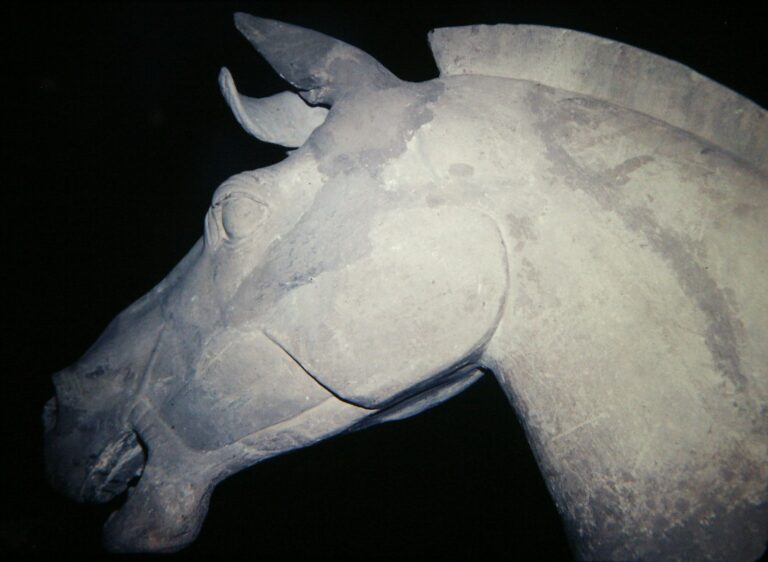
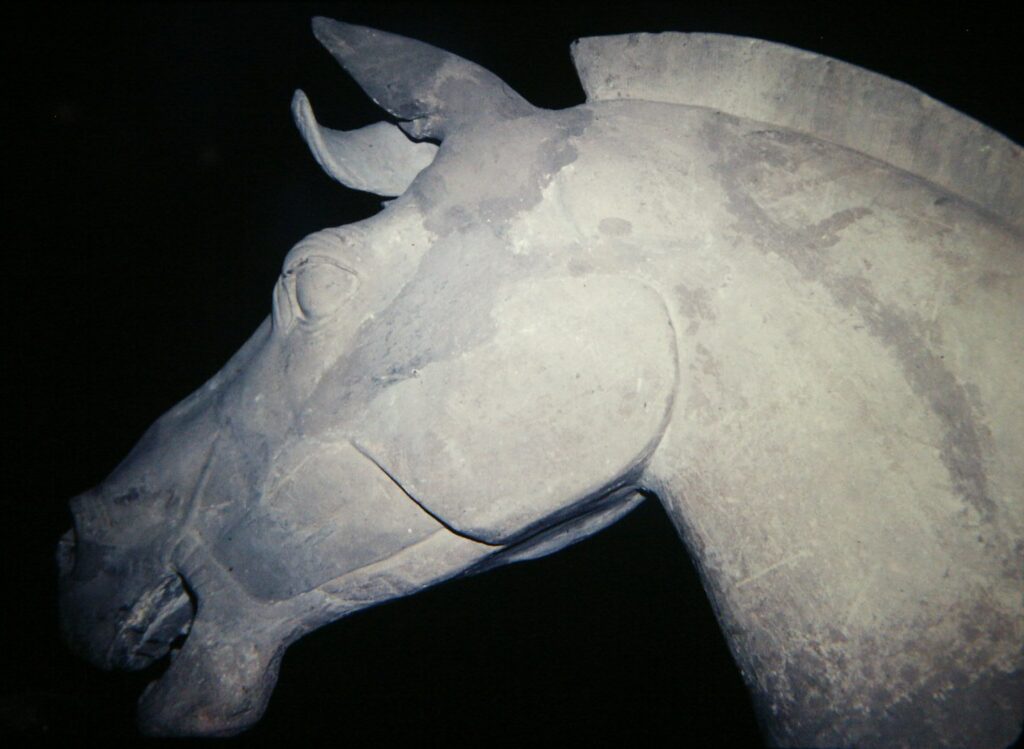
The core attractions at the museum are unquestionably the terracotta figurines—soldiers, horses, chariots, and various attendants—that were buried as part of the emperor’s elaborate tomb complex. These figures number in the thousands, and each is unique, with distinct facial features and expressions. The sculptures were intended as an eternal army to protect the emperor in the afterlife, signifying beliefs about death and the afterlife in ancient China, as well as the political ideology underpinning the Qin empire.
Beyond the well-known terracotta army, the museum’s displays also include funerary objects and relics excavated from the tomb site and its surrounding areas. These items offer insight into the materials, craftsmanship, and burial customs of the Qin period, ranging from weapons and armor to pottery and ritual vessels. Some exhibits focus on the archaeological methods used during the excavation, illustrating the efforts to preserve and study the fragile artifacts.
The museum grounds encompass several large excavation pits, including the one housing the terracotta warriors, horses, and chariots, which remain partially open for viewing. These pits give an unparalleled opportunity to observe an ancient burial complex on a scale rarely seen in other contexts. Layout and arrangement speak volumes about the military organization and ceremonial priorities of the Qin dynasty.
Building and Setting
Situated on the outskirts of Xi’an, the museum complex sits close to the actual mausoleum mound of Emperor Qin Shihuang. The mausoleum itself remains largely unexcavated due to concerns over preservation and the technical challenges of uncovering such an extensive subterranean structure. Visitors cannot enter the burial chamber but can see the surrounding areas developed for archaeological display.
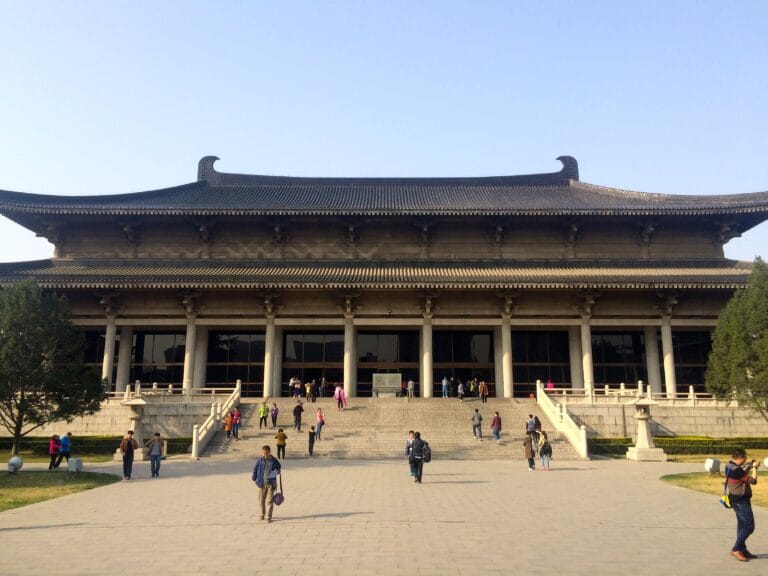
The museum buildings are designed to house exhibitions and provide educational resources. The architecture is generally modern and functional, intended to protect the artifacts and facilitate visitor movement rather than to replicate historical styles. The open-air pits are covered by large shelters that allow natural light while shielding exposed artifacts from weather damage.
The setting outside the museum is relatively flat, surrounded by agricultural land and suburbs of Xi’an. While the immediate location may not offer striking landscape contrasts, the site’s importance is underscored by its proximity to the ancient capital area and the continuity of cultural memory in this region.
Practical Information
Visitors interested in the Museum of Emperor Qin Shihuang’s Mausoleum should check the current official website or local information sources before planning a trip. Admission policies, opening hours, availability of guided tours, and other visitor services may vary seasonally or due to special conservation concerns.
The museum typically manages a high volume of visitors, particularly in peak tourism seasons, and the scale of the site demands comfortable footwear for walking distances between exhibition areas and excavation pits. The outdoor nature of the main archaeological sites means weather can impact the visit experience.
For international tourists, information in multiple languages may be offered, but it is advisable to check in advance if additional language assistance or educational materials are needed. Accessibility provisions might be present, but confirming specifics beforehand is sensible for visitors with particular needs.
Why Visit
The Museum of Emperor Qin Shihuang’s Mausoleum appeals primarily to those with interests in archaeology, Chinese history, and ancient cultures. It offers a rare opportunity to see one of the largest ancient funerary complexes ever found, illustrating the scale and ambitions of a polity that shaped the early Chinese state.
The terracotta warriors, with their detailed craftsmanship and sheer numbers, represent a fascinating intersection of artistic skill, state ideology, and funerary custom. Observing these in-situ, within the excavation pits, adds depth to the experience compared to seeing such figures in isolated museum cases.
This museum may not satisfy visitors looking for decorative art or broad historical survey exhibitions, as its focus is highly specific and its narrative tightly linked to one historical figure and era. Also, parts of the tomb remain unexcavated, which naturally limits the completeness of the story the museum can tell.
However, for those interested in the practical realities of archaeology and the interpretation of material culture, this museum provides a meaningful case study. The site exemplifies the complexities involved in preserving and presenting large-scale archaeological discoveries.
In summary, the Museum of Emperor Qin Shihuang’s Mausoleum offers an educational, detailed, and thoughtfully presented insight into an epoch that shaped imperial China. It allows visitors to engage with history through well-preserved artifacts and ongoing archaeological efforts, making it a significant destination for those wishing to deepen their understanding of ancient Chinese civilization in a direct and tangible way.